

Bay Area gas prices spike following Iran conflict
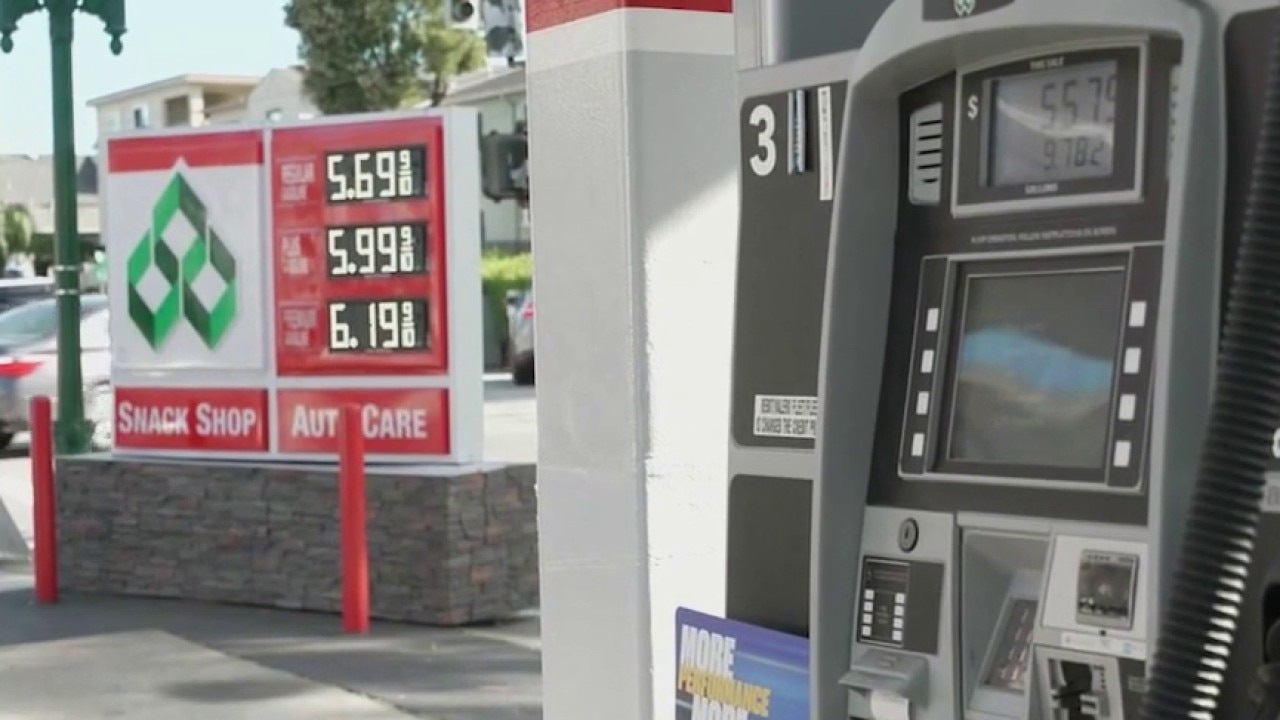
Iran conflict drives spike in gas prices and jet fuel, raising fears of higher airfares
U.S. and Israeli attacks on Iran have disrupted global energy supplies, pushing oil and jet fuel prices sharply higher and sending gas prices rising across the United States. Analysts say airlines may soon pass the higher fuel costs on to travelers through increased ticket prices.
OAKLAND, Calif. - Gas prices jumped again as unrest in Iran continues to rattle energy markets. AAA announced the national average for a gallon of regular gas rose 4 cents on Sunday to $3.45. California felt the pinch even harder, with prices jumping 8 cents to an average of $5.15 a gallon.
Bay Area drivers are seeing some of the steepest prices in the state. San Rafael is averaging $5.42 a gallon, Santa Rosa $5.35, and San Francisco saw its average jump 15 cents to $5.40 — with some stations charging as much as $5.99 a gallon. AAA says San Francisco's average prices are nearly 70 cents higher than just a month ago.
The surging energy prices come as other economic indicators also point to trouble. The latest jobs report showed a decline of 92,000 jobs last month after revisions, far below economists' expectations of a 63,000-job gain.
Nolan Higdon, a political history professor at UC Santa Cruz, says the numbers spell potential trouble for the Trump administration.
"The Trump administration is going to have some serious difficulties in the midterms keeping the House or the Senate," Higdon said. "And if this economy persists, this could be an issue as late as 2028."
Higdon says the economic turmoil is exposing a divide within the Democratic Party over how to respond.
"Some of the more establishment part of the party does not want to give out specific policies they can be attacked on," Higdon said. "But the more progressives like Bernie Sanders, AOC or Mamdani are advocating for specific policies like universal health care or taxing billionaires."
On the question of whether the Senate could be in play for Democrats, Higdon pointed to the recent Senate primary in Texas as an early signal, "This was a pretty historic turnout for a midterm and the Democrats seemed really energized. I wouldn't be surprised if the Senate ends up in play."
The driving force behind the energy price surge is the war in Iran, now one week old.
Higdon outlined two possible paths forward. "The way that this could wrap up shorter would be if the Trump administration gives up this idea of regime change — meaning total surrender and a new regime — because if they want that, that's going to take troops on the ground."
He added that a longer conflict appears more likely. "It doesn't look like that's the case, so it looks like this could be going on for quite some time."
That assessment came as news broke that Iran had appointed a new supreme leader — a sign, Higdon said, that the existing government has no intention of stepping aside.
"Just because you take out the leader doesn't mean the regime that's in power changes," Higdon said. "It's a pretty big task that the U.S. would be taking on if they indeed want to go this route."