

Ceasefire achieved, significant economic worries remain
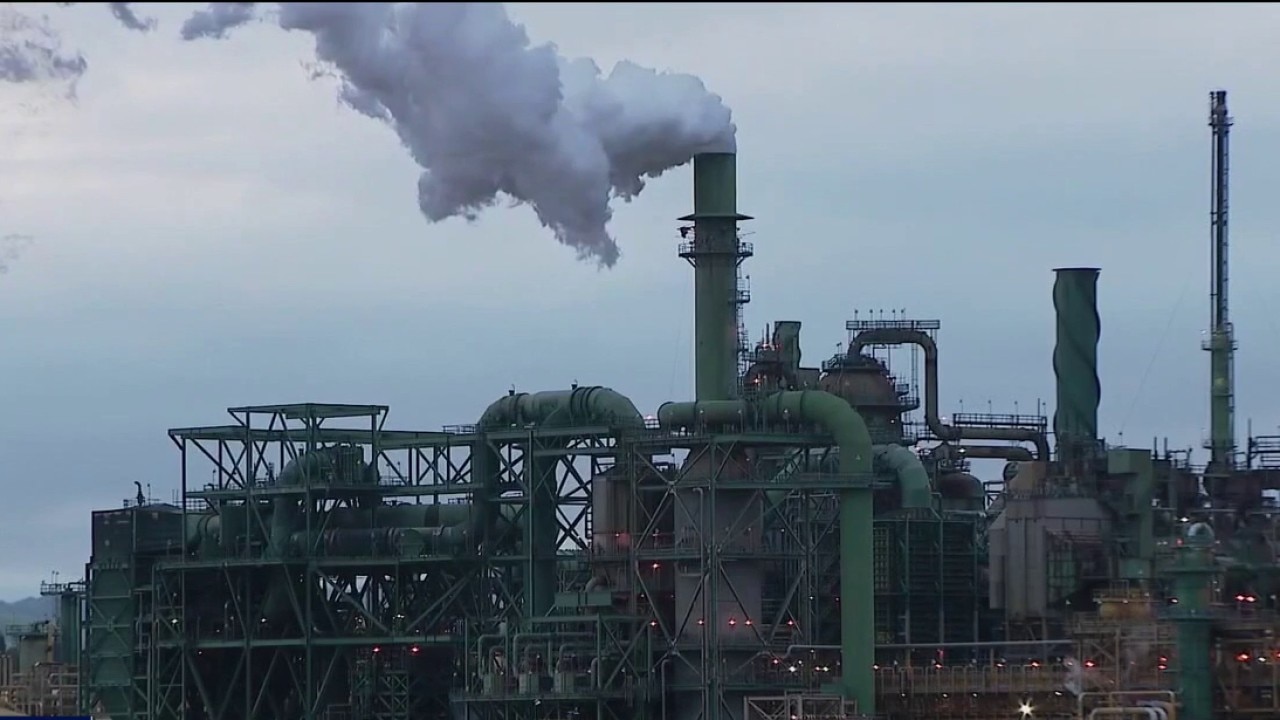
Ceasefire achieved but economic uncertainty remains
Despite a ceasefire agreement between the U.S. and Iran there is still a great deal of economic uncertainty surrounding the Strait of Hormuz and its global impact as ships go through under Irans control.
RICHMOND, Calif. - On the same day the U.S. announced a ceasefire with Iran, more airlines joined other air carriers in raising baggage, canceling flights to pay for jet fuel that has almost doubled.
Raising prices
Truce or not, uncertainty has baked into the cake much higher transpiration costs for many months to come, raising prices for just about everything.
The Chief Executive of the International Energy Agency, Faith Biro, says this oil and gas crisis is worse than 1973, 1979, 2022 together.
The ceasefire guarantees nothing since ships can only haul so much oil, liquefied natural gas and helium, critical to worldwide microchip production during a shaky 14-day ceasefire after a 39-day closure.
What they're saying:
Here's what two experts say:
"The markets will obviously respond very favorably. I'm wondering what Brent Crude is going to land at tomorrow in the wake of this announcement," said Global Security Expert (USMC Ret) Hal Kempfer.
"How large the repercussions will be will depend on how much the price of oil changes from here and how long prices may remain at a very high level. Much higher energy prices are, first of all, gonna lead to lower sales of all other kinds of goods and services," said UC Berkeley Haas Economist Professor Jim Wilcox.
Worst recession ever coming?
So now, a growing number of experts, worldwide, say there's a potential for the worst recession we've ever seen.
Pre-recession dangers are already present: energy shocks, stubborn inflation, and international conflicts.
Economic historian Niall Ferguson says all that is aggravated by a fact of life in the U.S.
60% of Americans cannot pay a $1,000 unexpected cost, be it a car repair, a failed major appliance, a broken tooth, necessary medical treatment, and so on. High energy prices only make things worse.
"For millions of households, they're gonna have less cash to spend on other things and if enough of that happens, that alone can lead us into a recession," said Professor Wilcox.
Famed economist Mark Zandi says the indicators that have predicted every recession in the last 80 years tell him a recession is already underway.
JPMorgan’s CEO Jamie Dimon is warning that rising oil prices might trigger a recession which could cause a bear market in stock markets this year, harming 401(K)'s and pension funds. Dimon pointed out that the major recessions of 1974 and 1982 were aggravated by oil shocks.
What about debt?
And consider this: worldwide, ours and other governments have racked up $100 trillion in debt. That is pretty much the entire economic output of the entire Earth. Solving major new problems, disasters, diseases and destruction, is mostly supported by governments that may no longer be able to borrow money as our own national debt accounts for 40% of world debt.
Short term relief
But for a very short, uncertain time, some relief is now possible. "They wouldn't drop all the way down to the level we saw before the war, at least not for a few months," said UC Berkeley Haas Energy Economist Severin Borenstein.
Plenty of Iranians in the ruling and military classes do not want to bow to the U.S.
Featured
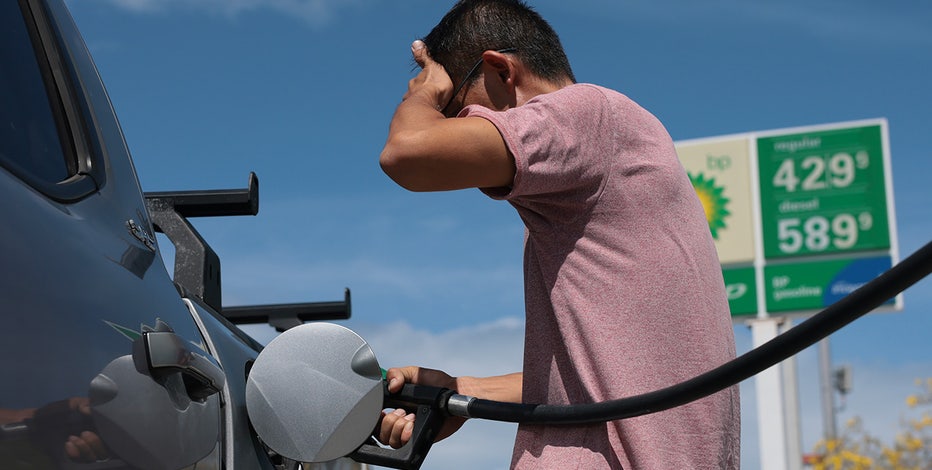
Oil prices plummet under $100 mark after Trump reveals US-Iran ceasefire
News of the temporary ceasefire between the United States and Iran immediately sent oil prices tumbling. Within minutes of President Donald Trump announcing an agreement had been reached, crude oil prices had fallen below the $100 mark.