

Inflation holds steady as consumer prices rose 2.4% in February - See what's costing more at the grocery store
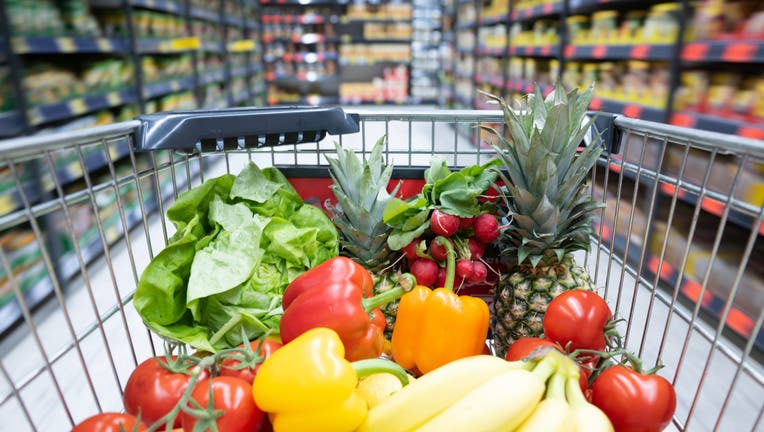
FILE: Basket of groceries (Credit: Sebastian Kahnert/picture alliance via Getty Images)
Inflation in the U.S. increased in February, according to the Consumer Price Index (CPI) report released Wednesday by the Bureau of Labor Statistics (BLS). Consumers are paying more for food and energy.
CPI inflation report
By the numbers:
The pace of consumer price growth stayed above the Federal Reserve's target rate as policymakers weigh affordability concerns. The BLS said consumer prices rose 0.3% in February and held steady at 2.4% on a year-over-year basis.
Which prices increased in February?
Gas prices
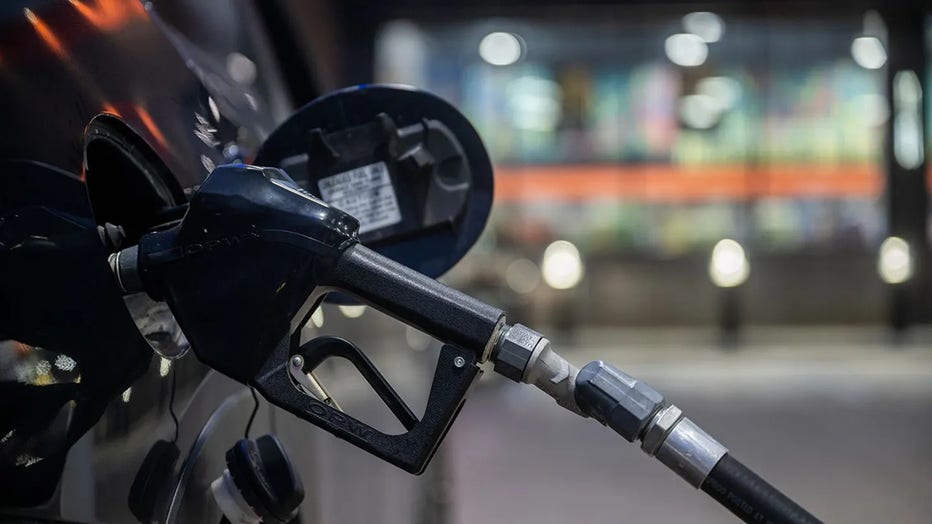
A gas pump is filling up a vehicle at a Chevron gas station on December 05, 2022 in Houston, Texas. (Brandon Bell/Getty Images)
By the numbers:
Gasoline prices increased 0.8% in February but were down 5.6% compared with the same month a year ago. Utility gas service prices rose 3.1% in February and are up 10.9% from a year ago. Electricity prices declined 0.7% in February and are 4.8% higher than a year ago.
Grocery prices

FILE-Customers shop in the frozen food section of a grocery store. (Michael Nagle/Bloomberg via Getty Images)
By the numbers:
Grocery prices rose more quickly last month than in January, continuing a trend that is impacting family budgets. They rose 0.4% in February and were up 2.4% from a year earlier.
Some items that saw price increases:
- Meats, poultry and fish prices increased 0.2% in February and are up 6.8% from a year ago.
- Beef and veal prices jumped 1.5% for the month and are up 14.4% on an annual basis.
- The fruits and vegetables index increased 1.4% in February and is 2.7% higher than a year ago.
Eggs getting cheaper:
- Egg prices continued to decline following an avian flu outbreak that impacted supply, with prices down 3.8% for the month and 42.1% from a year ago.
How the Federal Reserve may react to inflation report
The Federal Reserve will hold its next monetary policy meeting on March 17–18, when it will announce its latest interest rate decision.
The Fed is already deeply divided over whether it needs to keep its rate at its current level of about 3.6% to push inflation down closer to its 2% goal, or whether it should reduce the rate to support borrowing, spending, and hiring.
The market's expectations that the Fed will leave the benchmark federal funds rate unchanged at its current range of 3.5% to 3.75% were reinforced by the February CPI inflation report.
The Source: Information in this article was taken from the U.S. Bureau of Labor Statistics report released Wednesday, March 11, 2026, as part of February's Consumer Price Index, FOX Business, and The Associated Press. This story was reported from Orlando.