

California gas prices drop amid Iran deal, but experts warn relief may be temporary
California gas prices drop amid Iran deal, but experts warn relief may be temporary
Energy experts and consumers express skepticism that the relief will last, citing ongoing volatility among oil traders and extensive war damage to regional refining capacity.
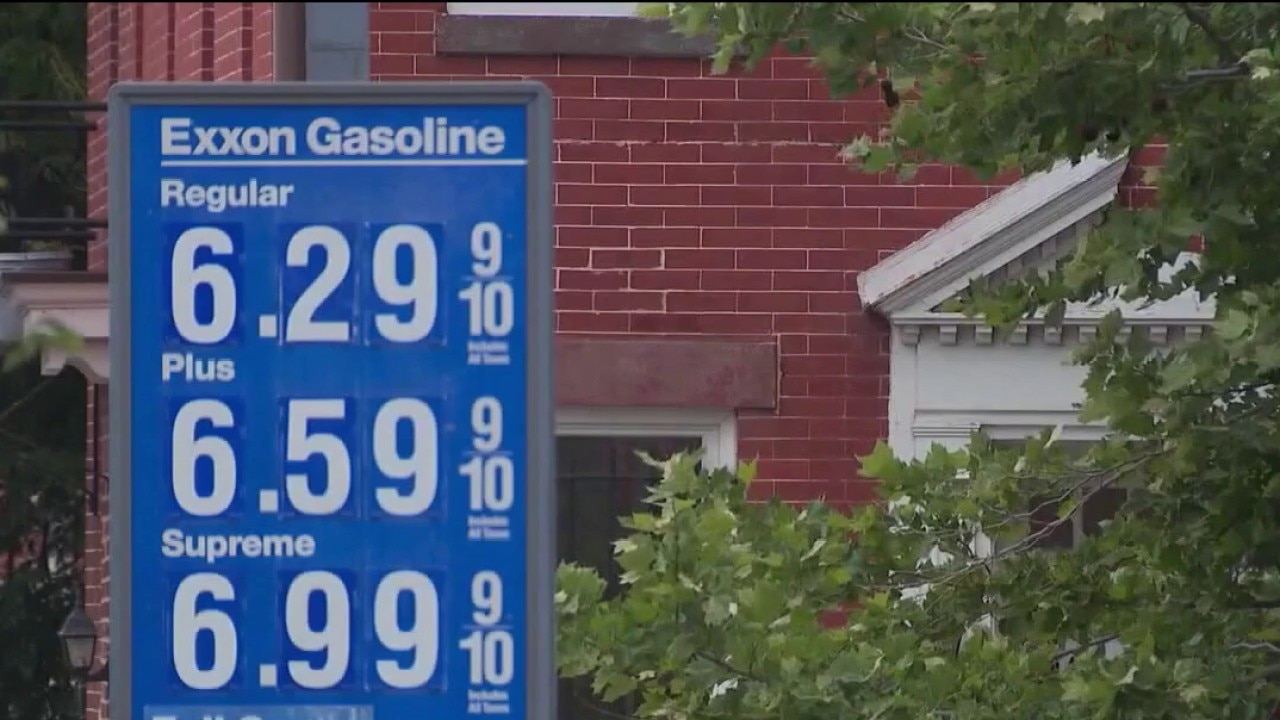
WASHINGTON, D.C. - California’s average price for a gallon of regular gasoline has dropped 16 cents in the past week to $5.64.
This marks nearly four straight weeks of declines, a trend that is currently being mirrored across the nation.
Volatile factors
Dig deeper:
While the drop offers temporary relief for drivers, energy experts warn that the underlying factors driving the market remain highly volatile.
During the past electricity crisis, the public learned the reality of electrical power trading.
Now, oil traders are driving the market, risking real money on the future price of crude oil.
The recent downward trend is tied to a temporary diplomatic agreement.
Under the 60-day deal, the U.S. will lift its naval blockade on Iran.
In exchange, Iran must deliver a toll-free and mine-free pathway for all ships.
However, Kyle Meng, a UC Santa Barbara economist and Energy Program Director at the Environmental Markets Solutions Lab, warned that the drop in gas prices may be short-lived.
What they're saying:
"If this 60-day agreement does not come to, you know, kind of a sense of enduring peace, I suspect that some of those prices will go back up," Meng said.
According to analysts, the agreement ultimately sets up 60 more days of uncertainty.
Oil traders, who ultimately decide the future price of oil, require certainty.
Without it, the future prices of gasoline and crude oil are expected to remain highly volatile.
Even with the shipping pathways opened, mega-tanker owners may still steer clear of the region, which would stifle supply.
"What you will see and what I'll be telling is whether or not oil tankers will return to the Strait of Hormuz," Meng said. "The question is whether or not in this period they think that the risks are low enough that they will return as opposed to going to other ports."
Compounding the supply issue, Iran has destroyed a significant amount of refining capacity in neighboring countries that ship gasoline, diesel, jet fuel, and fertilizer worldwide.
Meng noted that it will be some time before production capabilities in that part of the world return to pre-war levels.
Local perspective:
Price-conscious consumers at a local Arco station expressed similar skepticism about the longevity of the price cuts.
"I don't have any confidence that we'll get a deal out of this. We haven't, Trump hasn't given us any great deals so far. So, I don't see anything else, anything better coming out of this next situation," said driver Kishi Fuller.
Another customer, Rhys Burnett, agreed that the window of relief is narrow.
"I don't think this 60 days is gonna amount to anything. I think it might make things better for a little bit, but after the 60 days pass, I think it's probably going to get worse again because there's going to be some sort of new issue with Iran."
Other drivers pointed out that global supply chains are complicated.
"I think it take a while for the production to come back on and there's probably more factors affecting the price of gas than flows getting back to normal from the Strait of Hormuz," said customer Chris Ruben.
What's next:
Historical data suggests consumers should remain cautious.
"Historically, there's a phenomenon with oil prices that it rises like a rocket and falls like a feather. And that has played out many times in the past," Meng said.
With the 60-day window already underway, the clock is ticking.
The Source: Interviews with Kyle Meng, a UC Santa Barbara economist and Energy Program Director at the Environmental Markets Solutions Lab, Bay Area motorists