

Bay Area voters weigh regional transit tax measure
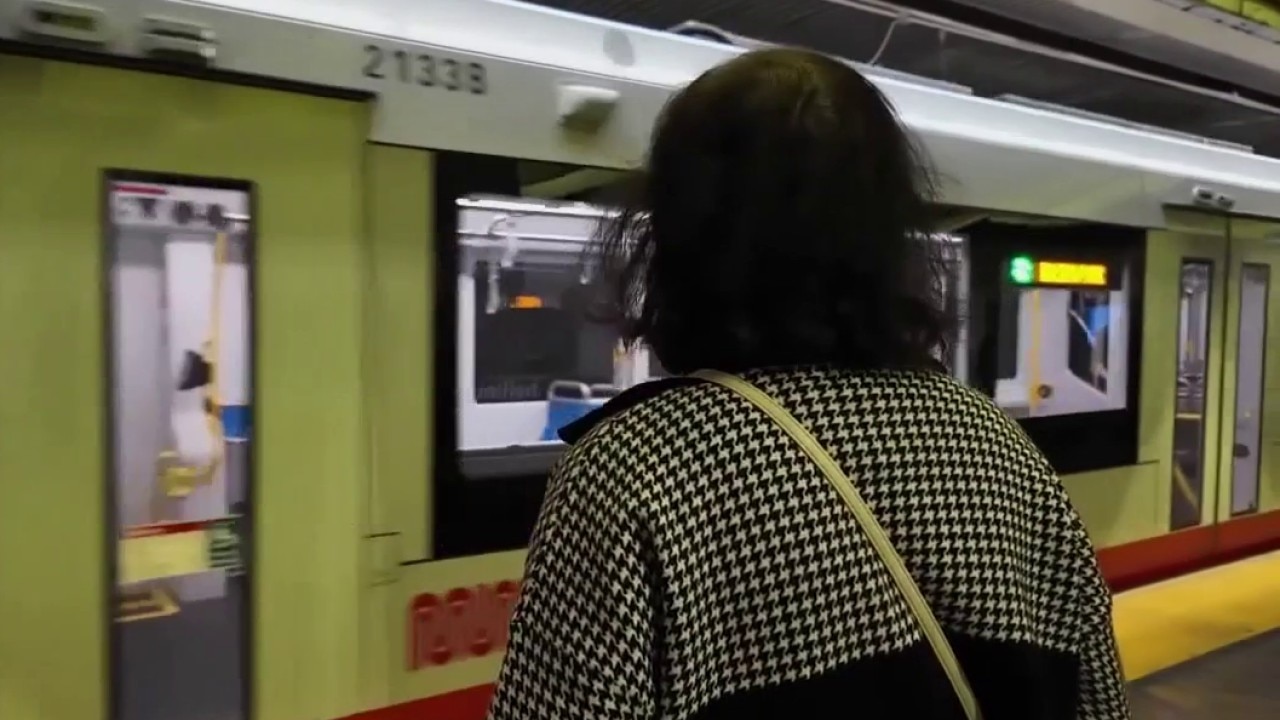
Bay Area voters weigh regional transit tax measure to prevent transit cuts
With Election Day approaching, Bay Area voters are weighing a regional transit tax measure designed to help fund systems including BART, Muni, AC Transit, and the Santa Clara Valley Transportation Authority (VTA).
ORINDA, Calif. - With Election Day approaching, Bay Area voters are weighing a regional transit tax measure designed to help fund systems including BART, Muni, AC Transit, and the Santa Clara Valley Transportation Authority.
Closures, service reductions
What they're saying:
Transit operators across the region have struggled with sustained declines in ridership since the COVID-19 pandemic and warn of severe cutbacks if additional funding fails to materialize.
Under potential contingency plans, BART warned it could be forced to close 10 stations. Muni indicated it could cancel up to 20 bus routes, while AC Transit warned of eliminating up to 16 percent of its bus service. Caltrain could scale back weekday service and cut weekend train service entirely.
For many regular riders, the prospect of route eliminations raises significant concerns about daily travel.
"I think we do need to raise the money for public transportation," one voter said, while another transit user noted the direct impact of possible reductions: "It would be catastrophic for me. Then I’d have to walk both ways to work."
Transportation analyst and author Jarrett Walker said agencies would have little room to delay cuts if the measure does not succeed.
"I think if the measure fails, I think there will be some attempt to find a last-minute source, but there isn’t much time," Walker said. "BART says they have to cut right away in '27, and I believe them."
Advocates also warn that deep cuts would force more commuters onto roadways, resulting in widespread traffic gridlock across regional corridors.
If approved, the measure would establish a half-cent sales tax increase across Alameda, Contra Costa, Santa Clara, and San Mateo counties, while raising the sales tax by 1 percent in San Francisco.
The tax hike is projected to generate roughly $980 million annually over the next 14 years to support regional transit operations.
Organized opposition
The other side:
However, opponents argue the tax hike is unnecessary and that public transit agencies must address operational inefficiencies before receiving additional public tax dollars.
"We say we need fixes before funding," said Gregg Dieguez, president of the Committee for Affordable Bay Area Transit.
Dieguez and other critics argue that local transit agencies have a history of fiscal mismanagement and have failed to adapt through innovation.
"We have better things we could do with that money. We need a new electrical grid," Dieguez said, pushing back against warnings of regional gridlock. "The Bay Area survived a 2013 BART strike, which was a complete shutdown of BART. This is much less than that 13 years later. We’re much more able to adapt than we were then."
Tight Race
Dig deeper:
According to a recent poll conducted by the Bay Area News Group, 48 percent of surveyed voters stated they plan to support the measure, while 34 percent said they plan to vote against it. Another 18 percent of respondents reported being undecided.
"Lots of people who aren’t particularly focused on this measure are going to decide at the last minute, and it needs 50 percent to pass," Walker noted regarding the narrow margin.
The Source: Information for this story comes from BART riders, supporters and critics of the ballot measure, poll by Bay Area News Group.