

California emergency officials review alert systems in wake of Texas tragedy
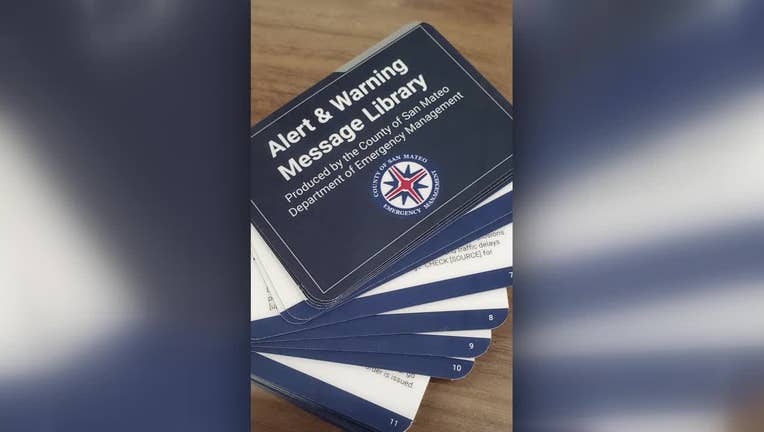
San Mateo County alert system.
REDWOOD CITY, Calif. - As recovery efforts continue in Central Texas following the deadly July 4 flooding, emergency management officials in California are taking a closer look at how alerts are delivered during disasters.
A crew of 27 search and rescue workers from California has arrived in Texas to help locate the bodies of flood victims. The disaster, which struck Kerr County, has left 110 people confirmed dead — including 27 children who were staying at an all-girls camp along the Guadalupe River. Officials said at least five campers and one counselor from Camp Mystic remain missing.
The catastrophic event has renewed attention nationwide on the effectiveness of emergency alert systems — including in the San Francisco Bay Area, where more than 100 emergency management officials from 32 agencies gathered Tuesday in San Mateo County.
"We can put out all the alerts we want, but if people aren't listening to the alerts it doesn't matter," said Shurti Dhapodkar, director of emergency management for San Mateo County.
The meeting, scheduled months before the Texas flooding, focused on how to make emergency alerts more concise, direct and impactful.
The discussion was prompted in part by a December tsunami alert issued in San Mateo County, which led to an audit revealing more than 500 individuals across various city agencies in the county were authorized to issue emergency alerts. Officials want to emphasize consistency in how those alerts are communicated to the public.
"There are 20 cities in San Mateo County," Dhapodkar said. "Each city’s agencies — including their fire departments — have the ability to issue alerts. They need to communicate effectively with their communities."
To improve consistency, the county invited Dr. Jeannette Sutton, a professor at the University at Albany’s College of Emergency Preparedness, to train local officials on best practices for emergency messaging.
Sutton, a social scientist who has studied five decades of research on public warnings, said vague or generalized alerts often fail to prompt action.
"People experience alert fatigue," she said. "If we receive 50 alerts on our phones, they start to lose impact — they compete with all the other information we’re receiving."
Sutton is helping the county implement a standardized "alert messaging library," with prewritten templates to be used in different types of disasters. The templates are designed to be specific and actionable, avoiding ambiguous language such as "there’s considerable risk to your area."
"Training ahead of time and developing standardized templates is a really important preparedness activity," Sutton said.
She outlined five essential components every emergency message should include:
- Who the message is from
- What the hazard is and its expected impact
- Where the impact is expected
- When it will occur
What protective action the public should take
Given her expertise on the topic, Sutton also commented on the situation in Texas.
"It happened in the middle of the night," she said. "There was a perceived lack of coordination between the weather office and local emergency management."
She added that reports have surfaced about inadequate cell service in the flood zone, and that many campers may not have had access to phones.
"It’s a cascading series of failures that ended in tragedy," Sutton said.