

U.S. to release 172 million barrels of oil from strategic reserve to bring down prices
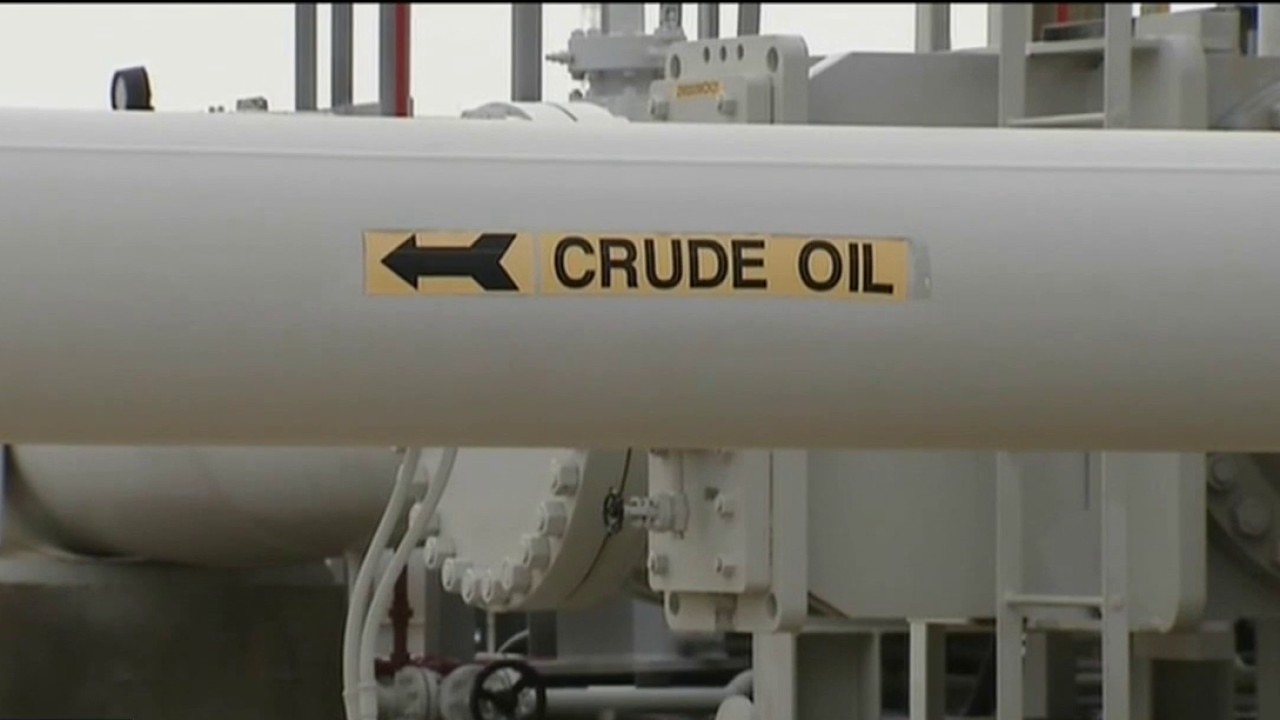
Tapping U.S. oil reserves to lower prices
In response to spiking oil prices stemming from the U.S.-Israeli strikes on Iran, President Trump said he will be releasing 172 million barrels of oil from the nations Strategic Petroleum Reserve. Its part of an effort by the International Energy Agency to release 400 million barrels from member nations.
WASHINGTON - To fight high prices and prevent gasoline lines, next week, the Trump administration will release 172 million barrels of crude oil from the nation's Strategic Petroleum Reserve. Worldwide, a consortium of nations will release 400 million barrels to fight runaway prices.
That consortium, the International Energy Agency, made their announcement a day after energy ministers from the Group of Seven — the leading industrialized nations of Canada, the United States, France, Italy, Japan, Germany and Britain — met in Paris to look at ways to bring down prices.
U.S. oil reserves explained
The Strategic Petroleum Reserve is a massive stockpile of crude oil owned and operated by the U.S. Department of Energy. The Reserve is located in four massive underground salt cavern sites in Texas and Louisiana.
It was set up 51 years ago after the Arab Oil Embargo. Only the President has the authority to order oil releases from it.
In 300 huge tanks, Chevron's Richmond Refinery holds 16 million barrels of crude oil and refined product, but, that's less than a day's supply for the nation and there are only about 132 refineries in the whole country, which is why the Strategic Petroleum Reserve exists.
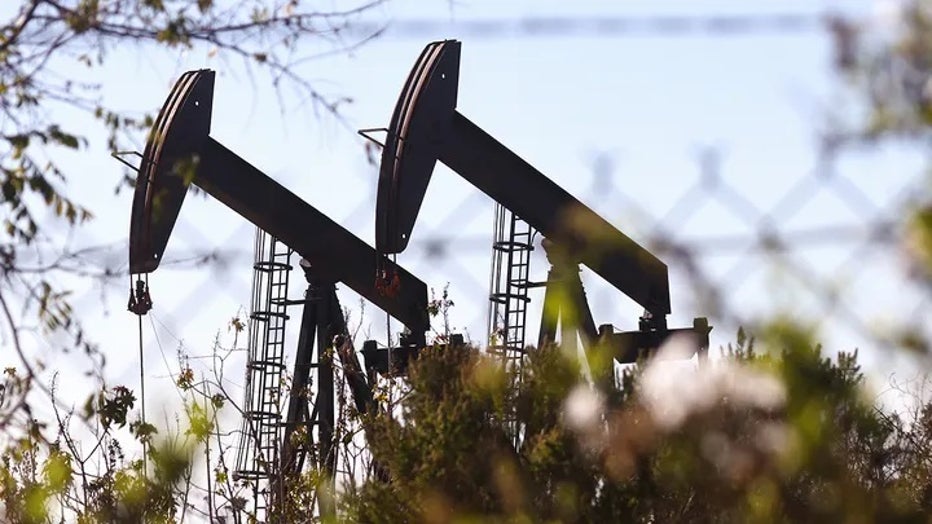
Oil pumpjacks stand in the Inglewood Oil Field on Nov. 23, 2021, in Los Angeles, California. (Mario Tama/Getty Images / Getty Images)
What they're saying:
"They currently have 125 days worth of supply in those reserves," said Santa Clara University Business Professor Kirthi Kalyaman. He is right if the Reserve holds its full 714 million barrels of crude oil. But right now, it is 415 million barrels.
And, at most, it can pump out only 4.4 million barrels a day. Doing the math, the 172 million barrels the president is planning on will last only 40 days; longer if less per day is pumped out.
"Even if there is an oil shock and the supply is going to be disrupted in the short term, I think the government has ample ammunition to reserve oil, to release oil from those strategic reserves to smooth things over," said Professor Kalyaman.
But less pumped out lessens the impact on lowering prices. But, here's a big problem: "I think the Strait of Hormuz problem gets resolved when we end this war, and we're three to five weeks from doing that," said General Jack Keane (Ret.), a Fox News Senior Strategic Analyst.
Renowned UC Berkeley's Haas School of Business energy economist Professor Severin Borenstein said time is of the essence to get the Strait of Hormuz open and kept open. A fifth of all traded oil passes through this passageway.
"Strategic Petroleum Reserves can be a very useful device to offset short-run price spikes. They cannot replace production. So ultimately, if the war runs on, the Strategic Petroleum Reserve is not going to be effective in keeping prices down," said Professor Borenstein.
And, the Strategic Petroleum Reserve will be at the lowest operational level ever; a third of its capacity.
Featured
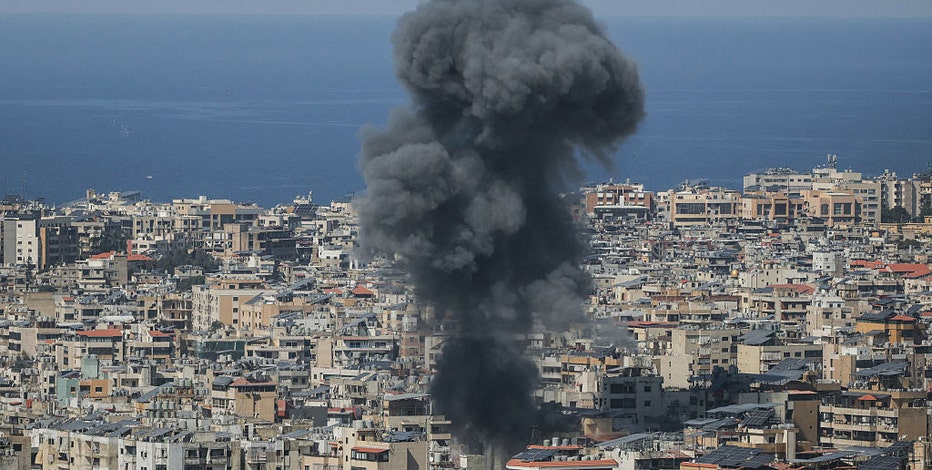
US to release millions of barrels of oil to ease prices amid Iran conflict
On Wednesday, Iran fired missiles and drones across the Gulf, including oil infrastructure in Saudi Arabia and a ship off the coast of the Emirates.