

Leukemia patient with less than 50% match rate calls for more diverse stem cell donors
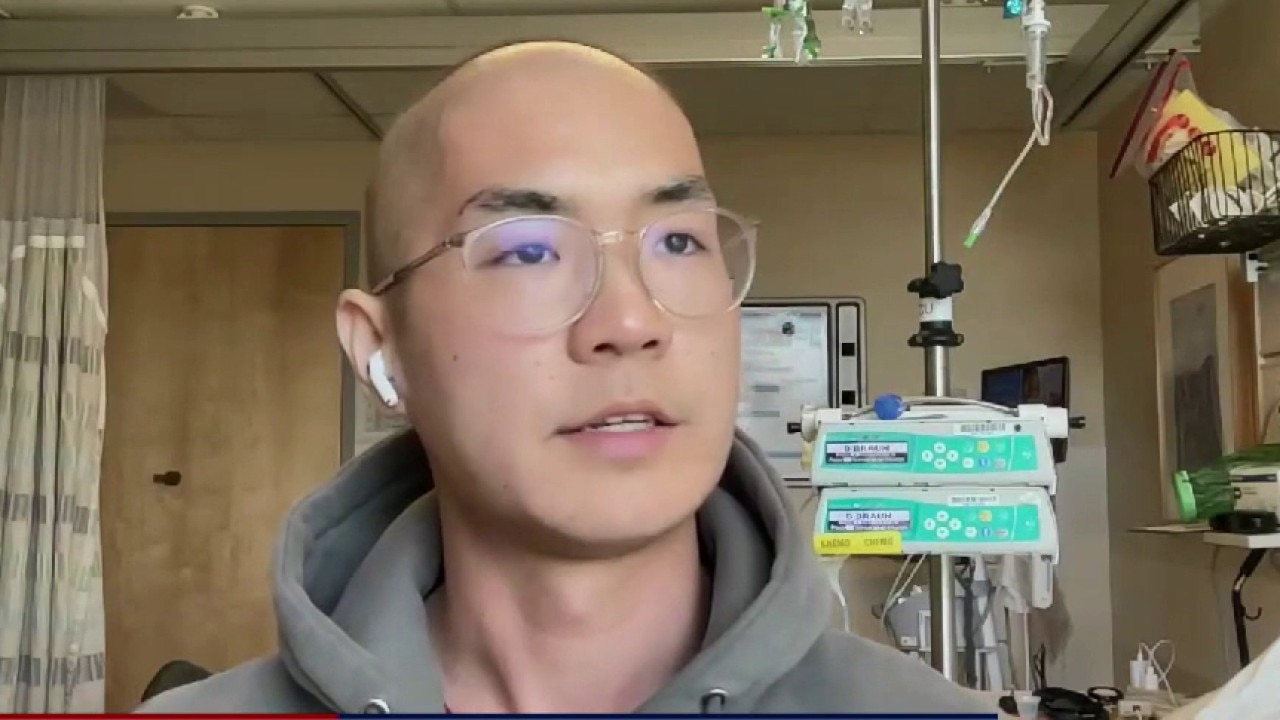
Leukemia patient calls for more diverse stem cell donors
Warren Shens life changed drastically this past winter when he developed flu-like symptoms. The diagnosis was acute myeloid leukemia, a condition requiring a stem cell transplant.
SANTA CLARA, Calif. - A 29-year-old software engineer from Silicon Valley who was once a healthy young professional is now fighting for his life and calling for increased diversity in the national bone marrow and stem cell registry.
Diagnosis came as a shock
Warren Shen's life changed drastically this past winter when he developed flu-like symptoms. The diagnosis was acute myeloid leukemia, a condition that has kept him hospitalized at Kaiser Permanente Santa Clara for weeks at a time.
"I honestly felt like, ‘am I gonna die in a matter of weeks or days?’ I didn't know," Shen said.
Because he is immunocompromised and undergoing intense chemotherapy treatments, Shen spoke from isolation in his hospital room at Kaiser Permanente Santa Clara.
Transplant could be the cure
His doctors say his best chance for a full recovery is a blood stem cell transplant. However, Shen currently has no preliminary matches. While a sibling is often the best-case scenario for a match, Shen’s only brother is not a compatible donor.
The struggle to find a match highlights a significant disparity in the healthcare system. According to the NMDP, a nonprofit global donor registry, Asian American and Pacific Islanders have only a 47% chance of finding a donor match. In contrast, white patients have a 79% chance.
Dr. Faisal Cheema, a hematologist at Kaiser Permanente, explained that they are searching for a human leukocyte antigen (HLA) match, which essentially functions as a marker for the immune system. You're most likely to match with someone of the same ethnicity.
Medical experts emphasize that as the diversity of the U.S. population increases, the donor registry must keep pace.
"This can just happen to anyone of any age and any ancestry," Shen said. "Having the donor registry just be as full as possible for all the different groups is just super important to help anyone who ends up going through this."
Giving the gift of life
The process of joining the registry has become increasingly accessible. Dr. Jeff Auletta, senior vice president at NMDP, noted that the organization can mail a kit directly to a potential donor's home. The process involves a simple mouth swab that is then mailed back for testing. If a match is found, advancements in medicine often allow for donation through a process as simple as taking medication and giving blood.
For Shen, the search for a stranger to save his life continues. He hopes his story will inspire others to register. If you are a person of color, especially of Chinese descent, interested in helping, you can register here.
"To be honest, I never expected to be in a situation like this, where I need a stranger to save my life," Shen said. "There's really no amount of words I can say to say thank you for them."
Those between the ages of 18 and 35 who are interested in learning how donating can save a life can visit the Donor for All webpage.
The Source: NMDP, Interview with Warren Shen, Kaiser Permanente
Featured
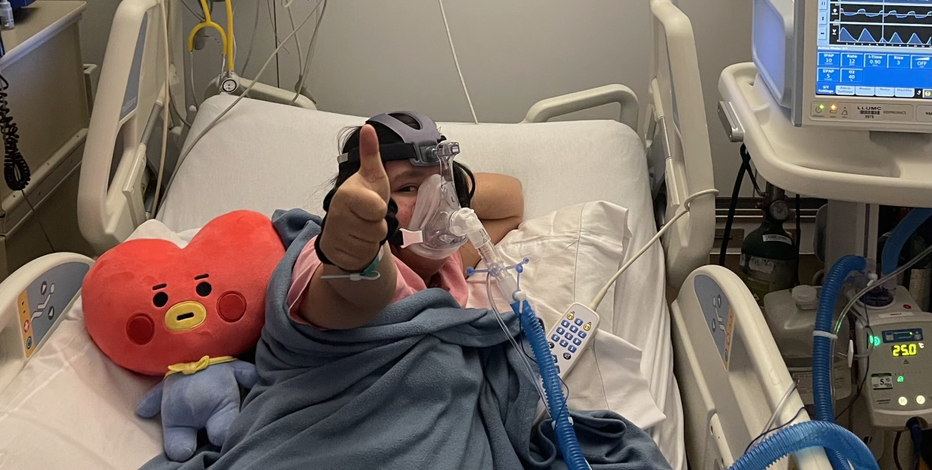
BTS fan credits group with helping her recover from double lung transplant at Stanford
A young woman is crediting her healing and recovery from a double lung transplant to an unusual source — the globally popular and versatile sound of BTS, the K-pop supergroup.