

The worst states for having a baby in 2026, according to data

Welcoming a new baby is one of life's biggest milestones, but for many families it's also becoming increasingly expensive. As childbirth costs continue to climb, where parents live can make a significant difference in both the financial burden and the quality of care they receive.
A new analysis by financial company WalletHub ranked the best and worst states for having a baby in 2026 by comparing all 50 states and the District of Columbia across four broad categories: cost, health care, baby-friendliness and family-friendliness.
Researchers analyzed 31 metrics, including hospital delivery charges, infant care costs, access to pediatricians, maternal and infant health outcomes, child care availability and paid leave policies.
Massachusetts ranked best; Mississippi ranked worst
Big picture view:
Massachusetts claimed the top state to have a baby in 2026 thanks to strong health outcomes and family support programs. The state had the nation's third-lowest infant mortality rate and third-lowest maternal mortality rate, along with the country's highest-rated neonatal hospitals for premature and medically complex newborns.
The state also performed well on food security and childhood vaccination rates and offered what WalletHub called the nation's best parental leave policies. Massachusetts also ranked as the best state overall for raising a family.
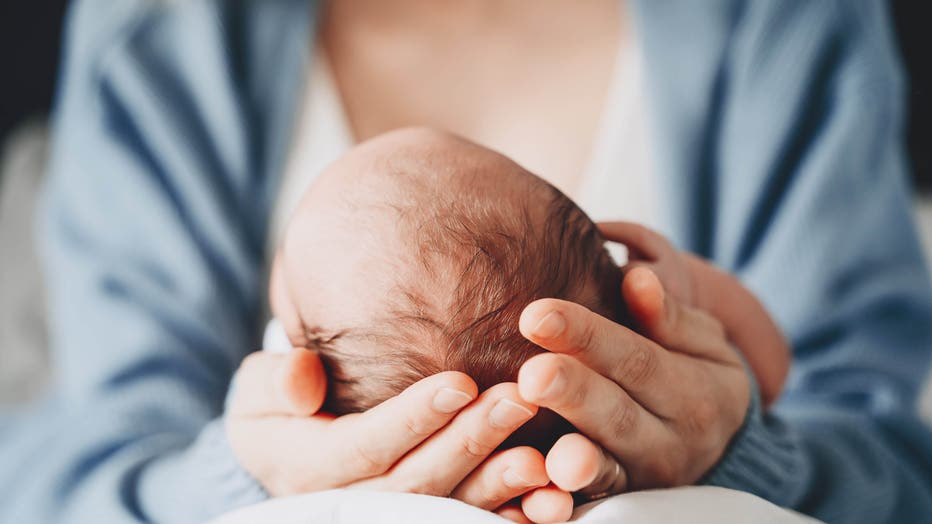
Massachusetts claimed the top state to have a baby in 2026 thanks to strong health outcomes and family support programs. (Credit: Getty Images)
Minnesota finished second, bolstered by relatively low health insurance premiums averaging $437 per month, the nation's second-lowest maternal mortality rate and a strong network of health care providers. Meanwhile, North Dakota placed third, driven largely by affordability. The average cost of a conventional delivery without complications was about $9,700 – the lowest in the country and significantly below the roughly $32,000 charged in the most expensive states.
In contrast, Mississippi, Alabama and Florida ranked as the worst states to have a baby in 2026.
What they're saying:
"The best states for having a baby minimize costs while providing top-notch care for both newborns and their mothers," Chip Lupo, a WalletHub analyst, said in a statement. "They also continue to be good environments for parents even long after the birth, with high-quality pediatric care, affordable and accessible child care, and a strong economic environment that makes providing for a child easier."
Best and worst states to have a baby in 2026
- Massachusetts
- Minnesota
- North Dakota
- Rhode Island
- New Hampshire
See the full report here.
Inflation pushes up costs associated with pregnancy, child birth, raising children
Dig deeper:
The study comes as the average cost of a conventional delivery in the United States exceeds $15,700, while families with employer-sponsored health insurance pay nearly $2,600 out of pocket on average.
Rising inflation has continued to push up the costs associated with pregnancy, childbirth and raising young children.
RELATED: It now costs more than $300K to raise a child; here’s how much it costs in your state
New data revealed that the cost of raising a child over 18 years is up again – now topping $300,000 for the first time since the company LendingTree began tracking it.
According to the data, the average 18-year cost of raising a child grew to $303,418 after tax exemptions and credits.
That’s an average of $16,857 annually over 18 years, up 1.9% from a year ago.
The Source: The information for this story was provided by WalletHub. This story was reported from Los Angeles. Previous FOX Local reporting contributed.