

Artemis II splashdown: What to expect off the California coast
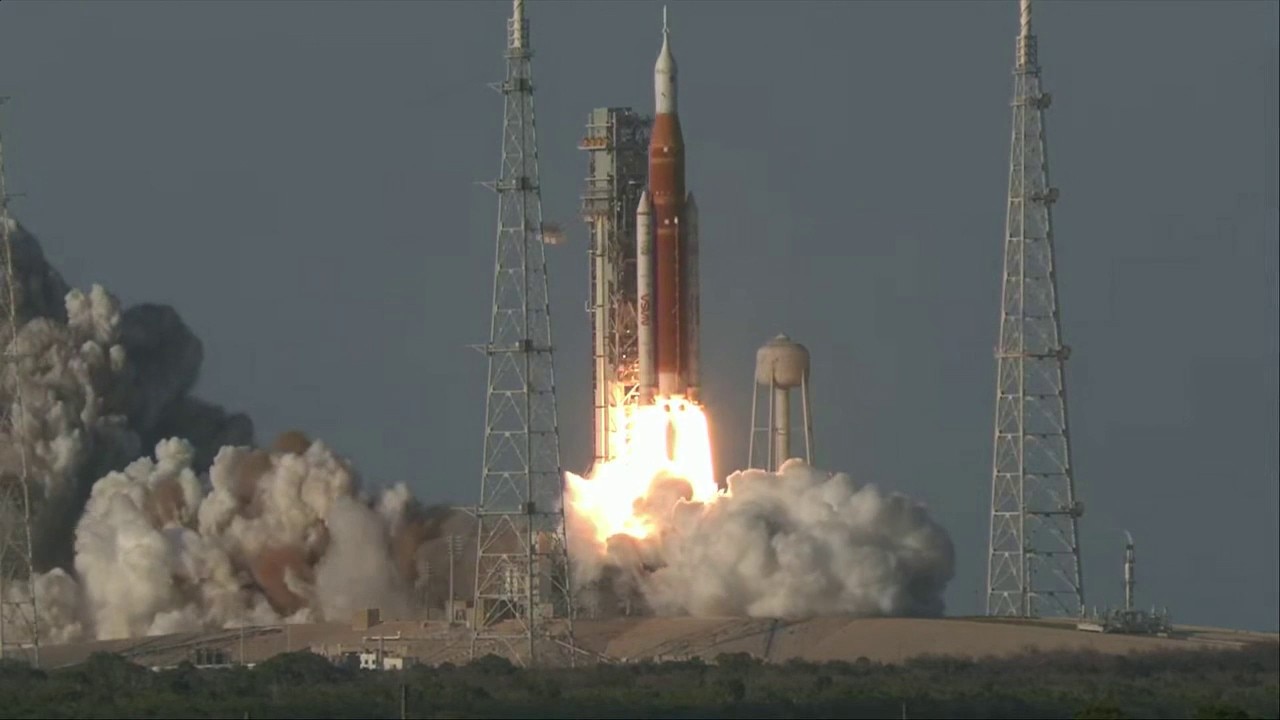
NASA's Artemis II launches to the moon. See the takeoff
A crew of four astronauts are headed on a ten-day mission to the moon on Artemis II. It's the second flight in the Artemis program – and the latest step towards landing humans back on the moon. 🚀
SAN DIEGO, Calif. - As we look ahead to Friday’s historic return of Artemis II, all eyes are not just on the capsule — but on the weather conditions in the Pacific Ocean.
Splashdown is expected just after 5 p.m., but here’s something many people may not realize.
The splashdown is not happening near the shore.
The Orion capsule will land far offshore, roughly 200 to 300 miles southwest of San Diego, in the open Pacific near Baja California.
Orion capsule will land off San Diego coast
What we know:
You won’t see it from the beach. More importantly, the weather at the coast may be very different from conditions at the splashdown site.
NASA's weather rules
Dig deeper:
For safety, NASA has strict recovery criteria:
- No rain or thunderstorms within ~30 nautical miles (about 35 miles).
- No lightning in the vicinity.
- Wave heights must stay below 6 feet
These rules ensure safe recovery operations for both astronauts and crews waiting in the Pacific.
Ocean temperatures in the splashdown zone are running 60 to 64 degrees.
That’s typical for this time of year, cold, but manageable for recovery teams in protective gear.
The latest marine forecast shows waves of 3 to 5 feet and light winds, generally under 10 knots.
That puts conditions well within NASA’s safety limits.
Will rain dampen Orion's splashdown?
Timeline:
Here’s the key takeaway:
- A slight chance of isolated showers is in the forecast Friday.
- The main storm system holds off until later Friday night into Saturday.
Even if we see clouds or a few sprinkles near the coast, conditions 200+ miles offshore are expected to remain favorable.
All signs right now point to a "GO" for splashdown.
This is shaping up to be a smooth return for Artemis II, right here off the California coast.
The Source: NASA and weather forecasting by KTVU meteorologist Roberta Gonzales.