

California moves to block massive Warner Bros. and Paramount Hollywood merger
California looking to block WB-Paramount merger
California is leading a coalition of 12 states in a lawsuit to block the proposed $110 billion merger between Warner Bros. Discovery and Paramount Skydance Corporation. Attorney General Rob Bonta stated that the combined company would control nearly one-third of all movie releases and basic cable programming, which violates federal laws against creating monopolies.
LOS ANGELES - California is one of 12 states filing a lawsuit to block the merger of Warner Bros. and Paramount, officials announced Monday.
What we know:
The merger would combine two of Hollywood’s biggest studios into a single powerhouse. A press release from California Attorney General Rob Bonta says the new combined company would control nearly one-third of all movie theater films and basic cable channels in the U.S.
Officials say this would cause "substantial harm on movie theaters, basic cable distributors, and ultimately, audiences nationwide."
The lawsuit claims the merger violates Section 7 of the Clayton Act, which makes mergers illegal if they lessen competition or try to create a monopoly. If the studios do not agree to pause the deal until the lawsuit is settled, the states plan to file a temporary restraining order to stop it.
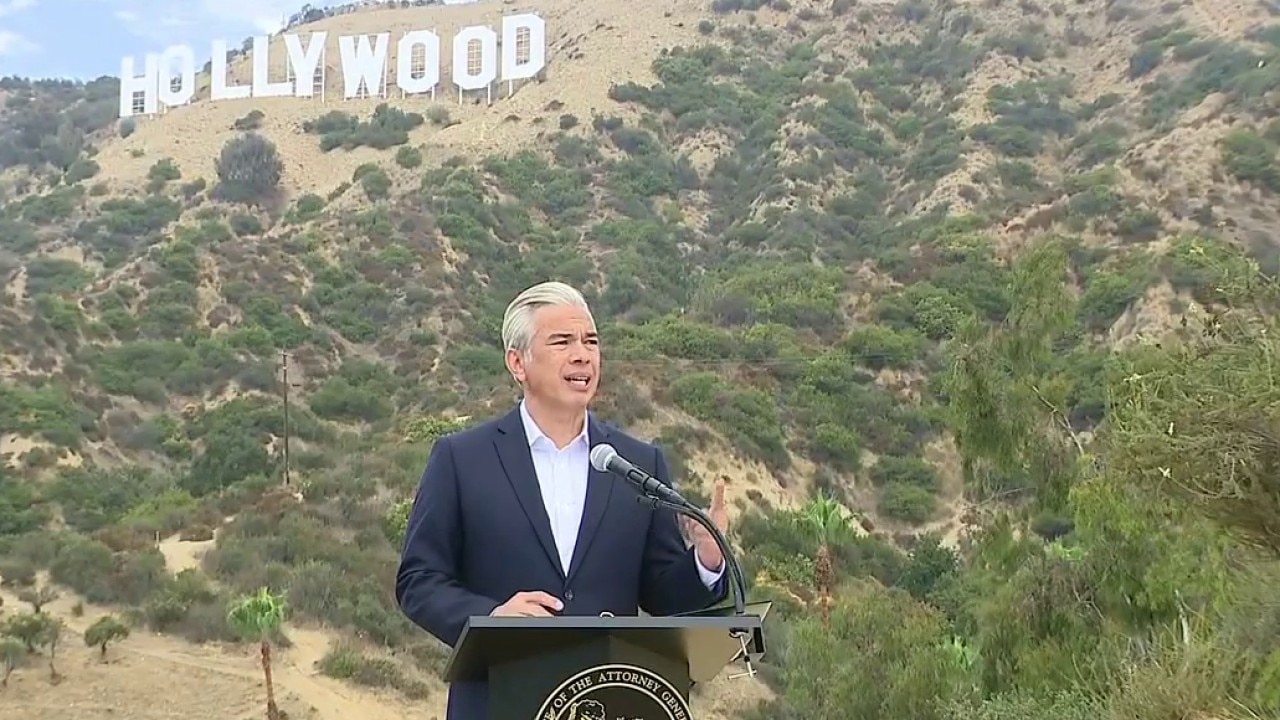
California AG sues to stop Paramount's takeover of Warner Bros.
California is leading a coalition of 12 states in a lawsuit to block the proposed $110 billion merger between Warner Bros. Discovery and Paramount Skydance Corporation.
The states joining California in the lawsuit are Arizona, Colorado, Connecticut, Massachusetts, Minnesota, Nevada, New Jersey, New Mexico, New York, Oregon, and Washington.
By the numbers:
- $110 billion: The cost of the massive deal for Paramount to acquire Warner Bros. Discovery.
- 27%: The total market share the new combined company would hold over both movie theater releases and basic cable channels.
- 86%: The amount of movie theater films that would be controlled by just four major companies (the new combined company, Disney, Universal, and Sony) if the deal goes through.
What they're saying:
State officials argue that losing the competition between these two massive studios will hurt regular viewers.
"The unlawful merger of these two entertainment behemoths would lead to higher prices, lower quality, and less content for film and television, harming movie theaters, basic cable distributors, and ultimately, audiences on every sofa and movie theater seat in the U.S.," Bonta said.
Bonta also stated that the merger would another major hit on California's film and television industry.
"California's film and entertainment industry touches the lives of Americans daily — it comes into the living rooms of families, has a starring role in many young people's first dates, and is a point of immense pride and employment for Californians up and down our state," Bonta said. "Consolidation here not only leads to higher prices — it also leads to fewer opportunities for important stories to come to life, and fewer ways for audiences to encounter stories, ideas, and perspectives beyond their own experiences. In this country, no one is above the law. With this lawsuit, California and our sister states are fighting for free and fair markets, not rigged markets. America has no kings in government or our economy."
In June, Los Angeles County's Department of Economic Opportunity released a report claiming the merger places nearly 2,500 redundant positions in the county at risk.
The Writers Guild of America has also released a statement saying in part that the merger, "will reduce competition in our industry, leading to fewer jobs, lower wagers for entertainment workers, less variety of programming and higher prices for consumers."
Paramount responds to the lawsuit
The other side:
Paramount issued the following statement in response to the lawsuit Monday:
"The lawsuit filed by the state attorneys general, in the most generous light, reflects a fundamentally flawed application of the antitrust laws and is wrong on both the facts and the law. We will vigorously defend the transaction and demonstrate that this challenge is inconsistent with sound competition policy and the competitive realities of the media marketplace. Delaying this transaction will only harm entertainment workers who have already suffered over recent years as technology has disrupted their livelihood and cost California tens of thousands of entertainment jobs."
"The combination of Paramount and WBD will create a stronger, well-capitalized, creative-first media company that is better positioned to compete with companies like Netflix that have come to dominate the industry for audiences, premium content, and creative talent. Put simply, any attempt to block this transaction undermines the very principles antitrust law is designed to promote: more competition, more choice for consumers, and more opportunities for creators and workers," according to a Paramount spokesperson.
"The practical effect of this lawsuit is to shield those dominant streaming platforms like Netflix and technology companies from much needed competition while preventing the significant benefits this transaction will deliver for consumers, creators, workers, and the broader Hollywood economy. We will continue to fight against any attempt to derail a deal that strengthens competition, expands opportunity, and positions the combined company to compete in an increasingly competitive global media landscape."
PREVIOUS COVERAGE:
- Hollywood shakeup: Paramount to acquire Warner Bros. in $110B deal
- 'South Park' at center of Warner Bros. Discovery, Paramount lawsuit
- Netflix declines to raise offer to buy Warner Bros., says deal is ‘no longer financially attractive’
The Source: This report is based on a joint federal antitrust lawsuit filed in the U.S. District Court for the Northern District of California and an official public enforcement statement issued by California Attorney General Rob Bonta.