

Cyclosporiasis has come to California, but is it contagious?
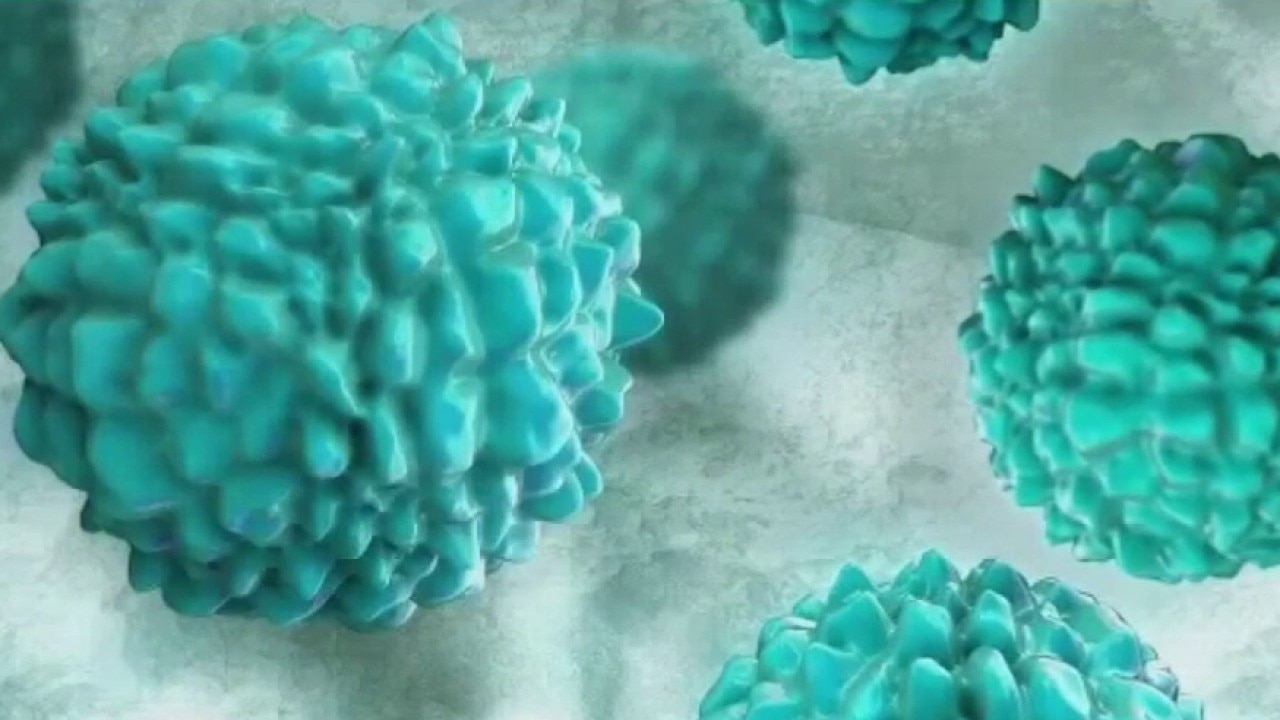
What to know about the Cyclosporiasis outbreak and its reach in California
A live and informative conversation with Dr. Roshan Patel, Gastroenterologist at Kaiser Permanente Walnut Creek, about the food-borne stomach parasite that has sickened hundreds in the U.S.
OAKLAND, Calif. - The Centers for Disease Control and Prevention (CDC) on Friday announced that California was one of 31 states under investigation for potential cases of cyclosporiasis, a parasite known to cause "explosive diarrhea."
More cases of illness
Since May 1, 2026, the CDC said it has received reports of 843 confirmed domestic cases of cyclosporiasis and is aware of more than 1,500 cases that "require further analysis," though state and local health officials have reported much higher numbers.
The CDC reports one to 10 cases of cyclosporiasis in California.
Is cyclosporiasis contagious?
What we know:
The CDC noted that the disease is unlikely to spread from person-to-person since infection usually occurs when people eat food or drink water that is contaminated with feces, and it takes between one to two weeks for Cyclospora – the microscopic parasite that causes cyclosporiasis – to become infectious after being passed "in a bowel movement."
Health officials advised the community to prevent the spread of cyclosporiasis by avoiding consuming food or water that may be contaminated, and to follow food safety handling recommendations for safe preparation and storage.
Rinsing produce with running water and rubbing the surface of the fruit or vegetable can help to prevent the illness, according to health experts.
What is cyclosporiasis?
The backstory:
Cyclosporiasis is a gastrointestinal disease caused by the microscopic parasite Cyclospora.
Symptoms of cyclosporiasis can include watery diarrhea, loss of appetite and weight loss.
Health experts say the illness may last for a few days to over a month. Symptoms could go away and then return one or more times.
The current outbreak has not been connected to any specific produce or grower, and the CDC said state and federal partners are working together to investigate several outbreaks and to determine the source or sources of the illness.
The Source: Centers for Disease Control and Prevention, previous KTVU reporting