

Cyclosporiasis outbreak: How to protect yourself from contaminated foods
Cyclosporiasis: What to know about the outbreak
The state of California is confirming reported cases of a foodborne stomach parasite that has sickened more than 800 people across the U.S. Cyclosporiasis infections were identified in 31 states with most cases concentrated in the Midwest. A gastroenterolgist from Kaiser Permanente helps us understand more about this illness and how to avoid it.
OAKLAND, Calif. - California is reporting cases of cyclosporiasis as a nationwide outbreak linked to a parasite commonly found in fresh produce continues to grow.
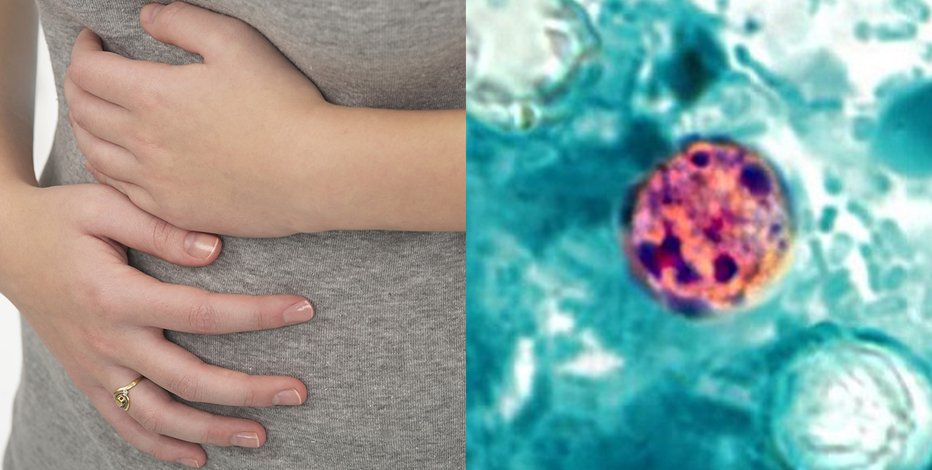
The exact source of one of the nation's largest cyclospora outbreaks in recent years has not been identified. Cyclospora is a microscopic parasite that causes cyclosporiasis, an intestinal illness that causes "explosive bowel movements," according to the Centers for Disease Control and Prevention.
California cases reported
Local perspective:
According to the CDC, California has between one and 10 confirmed cases. Nationally, the CDC has confirmed 843 cases, with more than 1,500 potential cases still under investigation.
Cyclospora outbreaks are often difficult to trace because it can take months for experts to identify the source. In some outbreaks, a specific source is never found.
Cyclosporiasis: California now reporting cases of parasite causing 'explosive diarrhea'
Symptoms of cyclosporiasis can include watery diarrhea, loss of appetite and weight loss. Here's what we know.
Produce linked to past outbreaks
The backstory:
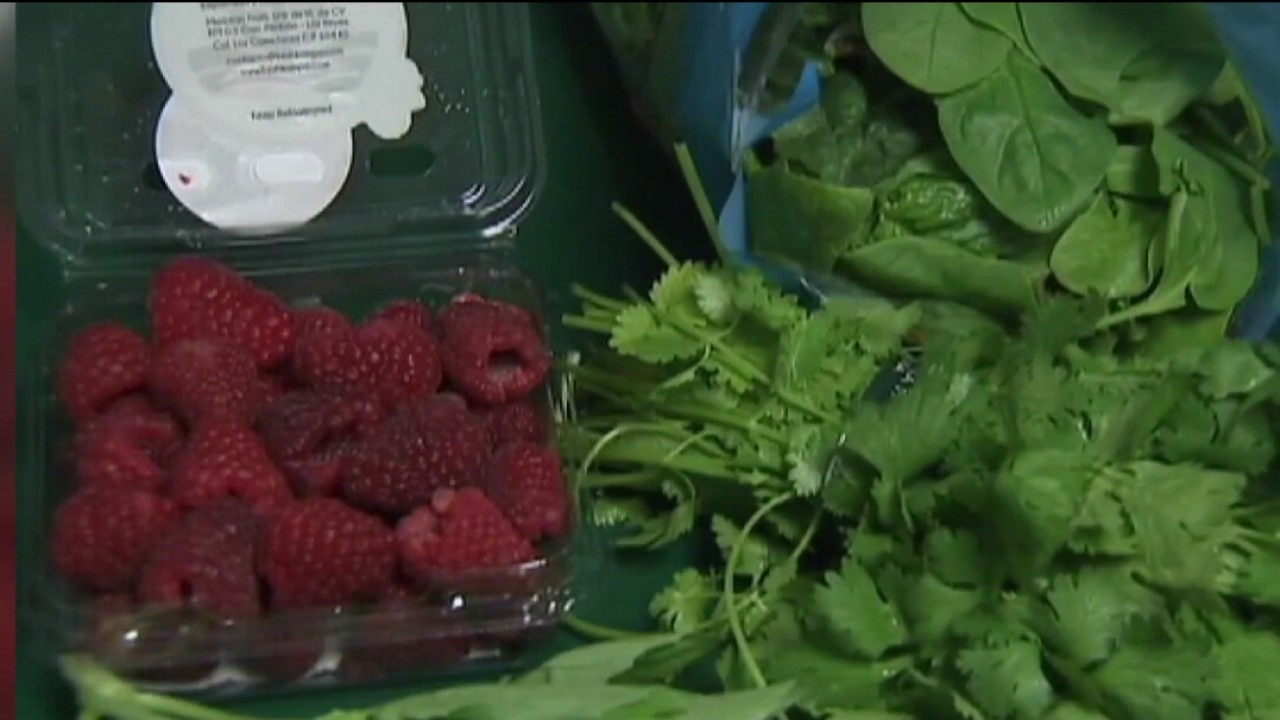
While the source of the current outbreak remains unknown, the CDC says previous outbreaks have been linked to imported fresh produce, including:
- Bagged salad mixes and salad kits
- Fresh cilantro
- Fresh basil
- Raspberries
- Snow peas
- Green onions (scallions)
The CDC said no cyclosporiasis outbreaks have been linked to commercially frozen or canned produce.
In previous outbreaks, people became infected after eating fruits or vegetables contaminated by irrigation water tainted with feces, according to The Associated Press. Contaminated produce may also be distributed to both grocery stores and restaurants, making it difficult for investigators to pinpoint the source.

What to know about the Cyclosporiasis outbreak and its reach in California
A live and informative conversation with Dr. Roshan Patel, Gastroenterologist at Kaiser Permanente Walnut Creek, about the food-borne stomach parasite that has sickened hundreds in the U.S.
How to reduce your risk
What you can do:
Health officials recommend taking extra precautions when preparing fresh produce.
- Leafy greens: Buy whole heads of lettuce instead of prewashed salad mixes when possible. Remove the outer leaves before washing thoroughly.
- Cilantro and basil: Separate the leaves and rinse them thoroughly.
- Raspberries: Their uneven surface makes them especially difficult to clean. Cooking them, such as in pies or jams, is the safest option.
- Green onions: Trim the roots, remove the outer layer and wash under running water.
Food safety tips
Experts also recommend these steps to help reduce the risk of contamination:
- Alcohol-based hand sanitizers don’t kill cyclospora, but soap and water are highly effective at killing or removing the parasite from hands.
- Washing produce with vinegar may help remove the parasite, although vinegar does not kill it.
- Scrub melons before slicing them to prevent bacteria or parasites from being transferred from the rind to the fruit.
- Peel fruits and vegetables when possible.
- Cut away bruised or damaged areas before eating.
- Refrigerate cut, peeled or cooked fruits and vegetables within two hours.
The Source: This report was compiled based on information from the U.S. Centers for Disease Control, the Associated Press, and prior reporting.