

East Palo Alto pulls Flock item from agenda; tense debate ensues
East Palo Alto pulls Flock item from agenda; tense debate ensues
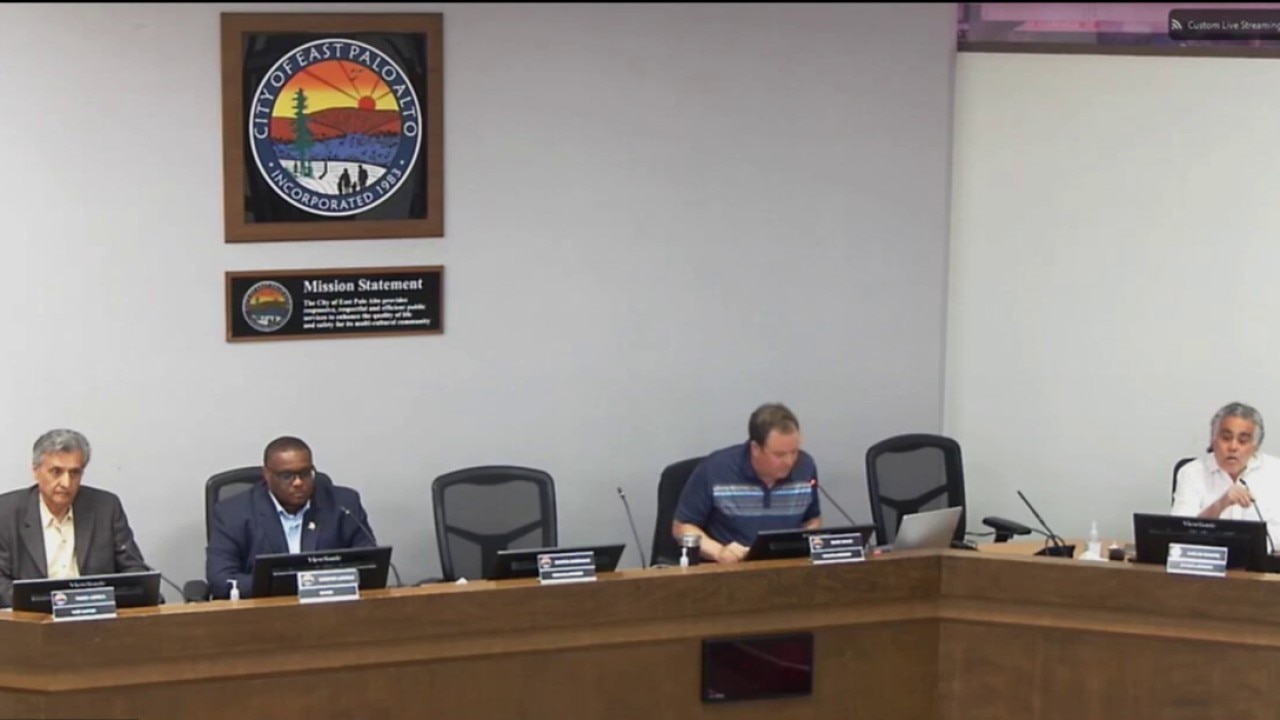
The East Palo Alto City Council chambers became the site of a heated debate Tuesday night as officials and community members clashed over the city's use of Flock Safety technology.
EAST PALO ALTO, Calif. - The East Palo Alto City Council chambers became the site of a heated debate Tuesday night as officials and community members clashed over the city's use of Flock Safety technology.
Item pulled from agenda
What we know:
The council was slated to discuss its contract with the company, which provides automated license plate reader technology, but the mayor pulled the item from the agenda in a 3-2 vote at the start of the meeting. The decision frustrated community members who had attended specifically to speak on the issue.
East Palo Alto Mayor Webster Lincoln says he moved to table the discussion until after the East Palo Alto Police Department could provide their quarterly update on the city's Flock usage.
"I thought it was premature to jump straight into reconsidering the contract before we did the update. So it was really about process," Lincoln told KTVU.
Rift on the council
What they're saying:
The move also created a rift on the council.
Councilmember Mark Dinan expressed a desire to move past the recurring debate.
"I don't want to be discussing this every two months for the rest of my term in office, just because some people in the community aren't happy with it," Dinan said.
Vice Mayor Ruben Abrica sharply disagreed with the decision to strike the item.
"It's very insulting to be here and have three people decide that we don't want to talk about it," Abrica said. "Like, who are you to tell the public that we don't want to hear about it?"
So did Councilmember Carlos Romera.
"Clearly, we have people in this room who are concerned about the issue you are about to pull," Romera said. "To do so is a serious, undemocratic, autocratic move that this council should reconsider."
Councilmember Dinan spoke with KTVU about his views on Flock, saying the cameras are an important part of keeping people safe in East Palo Alto. He also said that concerns about ICE using the cameras for immigration operations were fear mongering.
"One thing you don’t see about news stories being used to arrest undocumented folks. It’s a real concern in our community," Dinan told KTVU.
But a report from the Immigration Policy Tracking Project says otherwise. Citing 404Media, the project states that while ICE doesn't have a contract with Flock, the agency has asked state and local law enforcement officials to conduct searches on its behalf. The report cites more than 4,000 lookups across the nation that were reportedly conducted at the behest of the federal government.
Community members admonished the council after it's decision to pull the first agenda item regarding the Flock contract.
"The excuses listed to justify your reasoning to pull the item reflects your values very clearly," the resident said. "We deserve to have another conversation on Flock and you took that from us today. This will not be the end for us, we will push to come back. We will push to cancel this contract and we will succeed. You can only push us back for so long, the people know at the end of the day you don’t serve us. You are protecting a company that would not second guess itself when it comes to selling your personal data for profit."
2 Bay Area mayors disagree over ending Flock surveillance contracts
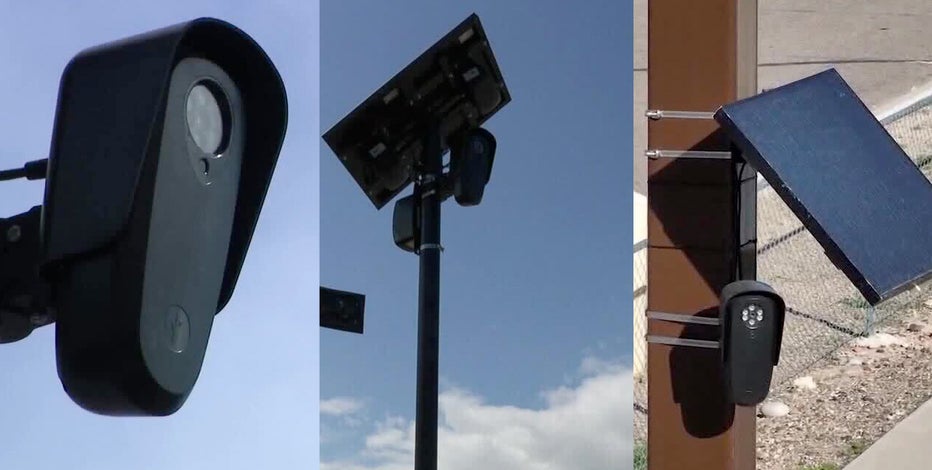
As Bay Area cities cut ties with Flock, two South Bay mayors share their differing views on ditching the surveillance technology to fight crime amid immigration concerns.
Intense scrutiny
Big picture view:
Flock Safety has stated that it does not share data with federal agencies without permission. However, the company has faced intense scrutiny following reports that federal agencies accessed data in other jurisdictions.
Earlier this year, the Mountain View City Council voted to terminate its contract with Flock after the city's police chief informed the community that federal agencies had accessed license plate reader data without authorization. Similarly, Santa Clara County announced it would no longer access the Flock system, even for law enforcement operations.
Other Bay Area cities are currently weighing the technology's benefits against privacy risks.
In March, Richmond voted to maintain its contract while requesting a review of data privacy agreements. Berkeley is considering a $2 million contract extension but will not revisit the item until June.
East Palo Alto Police Chief Jeff Liu tells KTVU that the cameras and the data have helped solve crimes from hit-and-runs to attempted murders. He also said the department does a weekly audit of its system to ensure data privacy, and he wanted to assure the public that no breaches have been reported so far.