

Girls’ soccer ranks second in youth sports concussions, doctors urge injury prevention as seasons begin
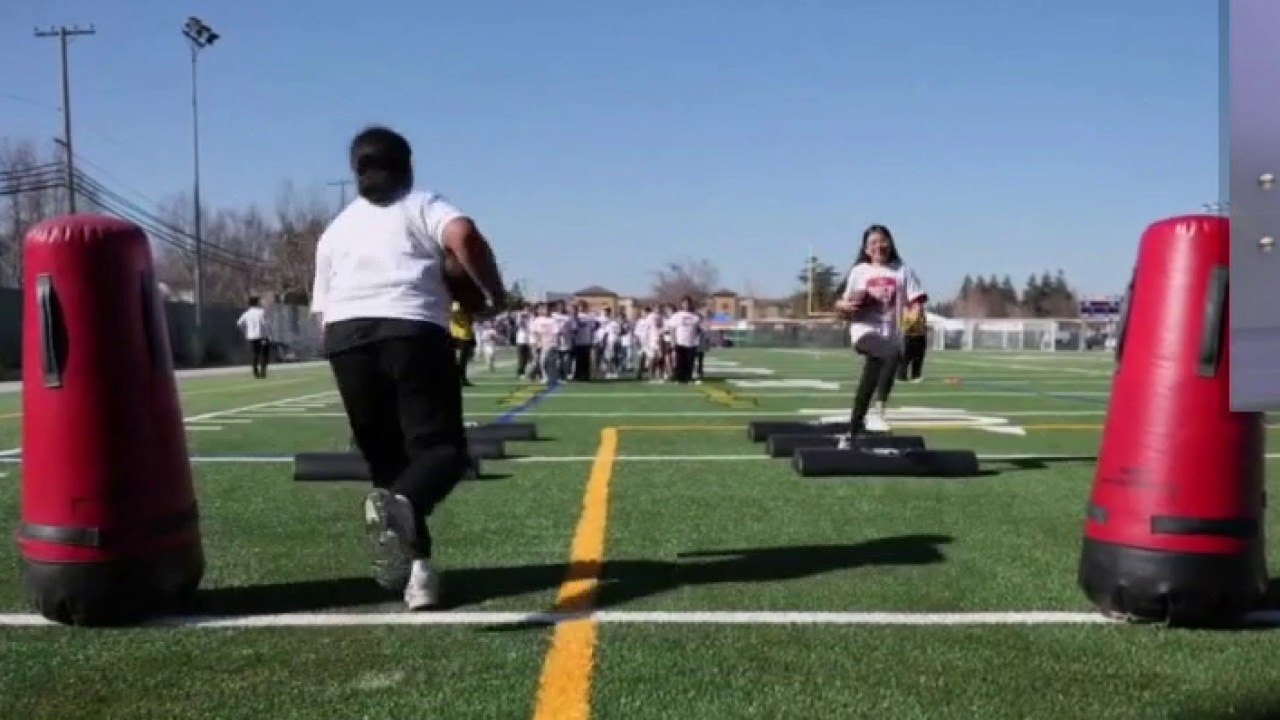
Doctors urge injury prevention as youth sports seasons begin
A national survey of U.S. children and teens found roughly 1 in 12 young athletes experiences a serious sports injury requiring medical treatment. Many of those injuries, according to sports medicine physician William Moore, can be prevented.
OAKLAND, Calif. - As youth sports seasons ramp up across the country, medical experts say parents and coaches should keep injury prevention top of mind.
A national survey of U.S. children and teens found roughly 1 in 12 young athletes experiences a serious sports injury requiring medical treatment.
Many of those injuries, according to sports medicine physician William Moore of Kaiser Permanente, can be prevented.
How Kids and Athletes Get Hurt
Dig deeper:
One major factor is early specialization — when children focus on a single sport year-round.
"It sounds a little counter-intuitive based on what we hear about thousands of practice hours," Moore said. "But when you’re talking about team sports, the evidence says kids really don’t need to specialize until high school."
Research shows athletes who focus on just one sport at a young age face about twice the risk of overuse injuries, along with a higher risk of psychological burnout.
Moore said young athletes benefit from variety.
"We want kids to stay active, but not necessarily in adult-driven, competitive leagues all year long," he said. "Playing different sports or just playing outside can help develop different skills and reduce repetitive stress."
Guidance from the American College of Sports Medicine recommends children take about two to three months off from competitive sports each year, though those breaks can occur at different points throughout the year.
"It doesn’t mean kids stop being active," Moore said. "It just means stepping away from organized competition for a bit so their bodies and minds can reset."
Keeping sports enjoyable is key, he added.
"Kids go into sports because they love it," Moore said. "We want them to continue loving the game."
Other Risks
What they're saying:
Another concern for families is concussion risk.
According to the Centers for Disease Control and Prevention, tackle football has the highest concussion rates in youth sports, followed by girls’ soccer, which ranks second.
That may surprise some parents, Moore said, because soccer isn’t always viewed as a collision sport.
"You don’t necessarily think of soccer that way, but there are plenty of collisions," Moore said. "I see it when kids are playing competitively."
What we don't know:
Researchers are still working to understand why concussion rates appear higher among girls’ soccer players.
Some studies suggest differences in neck strength could contribute, while others indicate girls may be more likely to report symptoms than boys.
"Concussion science is still evolving," Moore said. "We’re continuing to learn more."
Early detection:
Doctors also emphasize the importance of preseason physical exams to screen for potential health risks.
Some heart conditions can increase the risk of sudden cardiac arrest during intense physical activity. Moore said physicians can sometimes detect warning signs during an exam or through follow-up testing such as an electrocardiogram.
"When I do sports physicals, I always listen carefully to the heart and lungs and ask about family history," Moore said. "Questions like whether a family member had heart problems before age 50 can be important clues."
The screenings may help identify rare but serious conditions that have been linked to sudden deaths in athletes.
"Nothing can completely prevent those tragedies," Moore said. "But proper medical evaluations can reduce the risk."
Moore also urges parents not to dismiss injuries that don’t quickly improve.
"If your child is hurting and it doesn’t get better with a day or two of rest, don’t wait too long," he said. "We really don’t want a small injury to turn into a big injury because it wasn’t treated early."
Ultimately, Moore said, the goal is to help kids stay healthy while enjoying sports.
"I went into sports medicine because I love sports," he said. "And we want kids to keep enjoying them for a long time."
The Source: Original reporting by Allie Rasmus of KTVU