

PG&E bills expected to be lower in 2026, CEO says in earning call

PG&E rate hikes explained
PG&E's most recent request for a rate increase is now in the hands of state regulators. Despite that request, the company says customers may pay less next year due to some offsetting costs, but will still pay some of the highest electricity bills over the next five years. The company's CEO says the utility is a turnaround story in the making.
OAKLAND, Calif. - In an earnings call Thursday, PG&E's CEO said customer bills could be lower in 2026, thanks to bills stabilizing this year.
The company reported on its finances for the second quarter of the year and said the utility is "on track to deliver solid financial results" in 2025.
"PG&E’s story of progress continues to unfold with another solid quarter of performance. We’re delivering energy safely to our customers every day. We’ve stabilized bills over the past year and expect them to be down in 2026," PG&E's CEO Patti Poppe said Thursday.
According to PG&E's statement of income, the utility ended the second quarter in June with $521 million in profit, a slight increase from $520 million this time last year.
In May, PG&E asked California regulators for an 8% rate increase through 2030 – but the CEO said at the time that customer bills would still remain flat.
PG&E noted in the spring that the 8% increase was the smallest percentage hike in a decade.
Featured
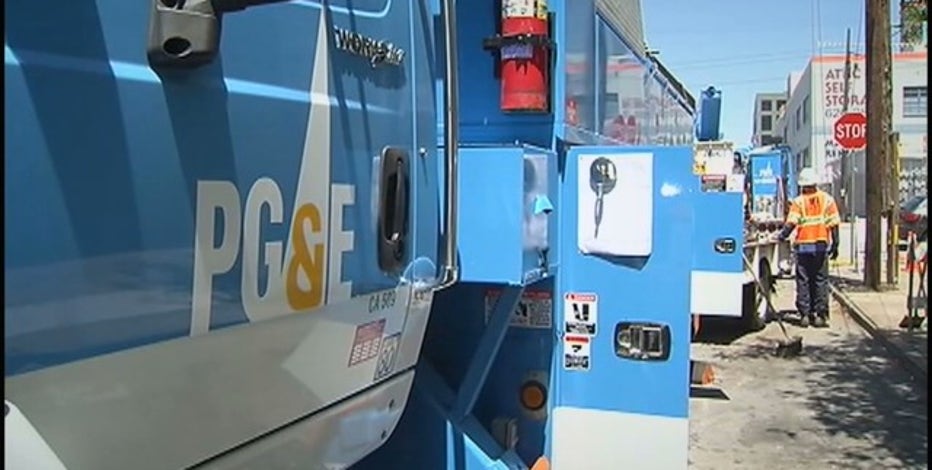
PG&E is proposing 8% rate hikes – but it's not what you think. Why bills are likely to 'remain flat'
PG&E's proposal was submitted Thursday to California's Public Utility Commission.
"If the proposal is fully approved, and based on current information and other assumptions, the utility expects total residential combined gas and electric bills in 2027 to be flat compared to 2025 bills," the company said Thursday, giving insight on customer costs in the years to come.
Earlier this year, Poppe said PG&E was able to stabilize and lower bills because it is saving money using new technologies, processes, and procedures to cut its costs by $2.5 billion dollars.
"I want our customers to know that [there are] some important costs coming out of the bill," Poppe said in a previous interview with KTVU.
The utility CEO compared the costs being eliminated to when a child graduates from college – when your education is done, that cost burden goes away.
In PG&E's case, the utility is no longer recovering from extreme weather events, so those costs they were collecting then are no longer needed.
In April, KTVU reported the utility would underground over 1,000 of its power lines to lower wildfire risk. Another part of that mitigation plan includes upgrading more than 700 biles of overhead power lines and poles.
In its second quarter, the utility constructed 32 miles of underground power lines and upgraded 103 miles of power lines and poles, according to Thursday's earnings report.
The company says it intends to construct another 700 miles of underground power lines in 2025 and 2026.
The Source: PG&E earnings report and previous KTVU reporting.