

Prediction markets vs. polls: Who got the election right?
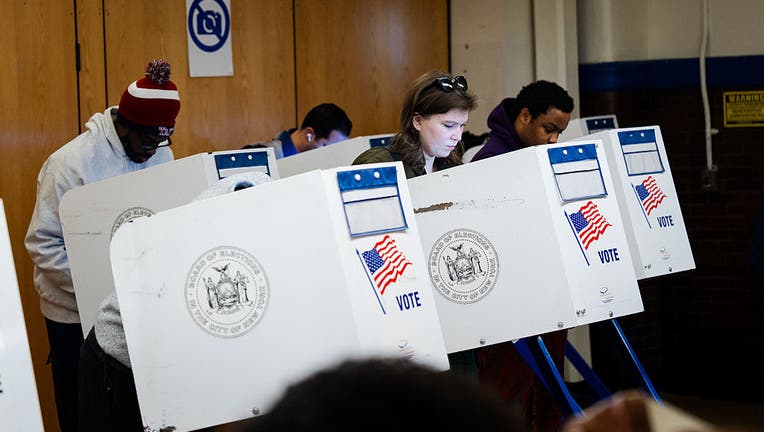
Voters cast their ballots at a polling location inside Harlem Renaissance High School in New York, US, on Tuesday, Nov. 3, 2026. Photographer: Angelina Katsanis/Bloomberg via Getty Images
Democrats made significant gains in Tuesday night’s election, and a review of prediction markets and late polling will show where those forecasts correctly anticipated the results — and where they fell short.
Big picture view:
Prediction markets correctly identified the winner in nearly every major race included in the final election forecasts, while polls were generally accurate on the direction of the contests but missed the size of several Democratic victories.
RELATED: LIVE: 2026 Midterm Election results
Midterms reaction: Power shift on Capitol Hill
Democrats have won control of Congress in a widespread repudiation of President Donald Trump and the Republican Party, a drubbing that reached deep into reliable GOP territory. Democrats flipped at least seven Senate seats in ruby-red states and battlegrounds alike.
The markets were especially strong in the Senate races. Kalshi and Polymarket both favored James Talarico in Texas, Troy Jackson in Maine, Abdul El-Sayed in Michigan and Sherrod Brown in Ohio. All four Democrats won their races.
The markets also correctly predicted Democratic victories in the Ohio and Texas governor’s races. Kalshi gave Amy Acton an 82% chance of defeating Vivek Ramaswamy, while Polymarket placed her chances at 83%. Acton won the race.
In Texas, Kalshi gave Democrat Gina Hinojosa a 62% chance of defeating Republican Gov. Greg Abbott. Hinojosa ultimately won, and Abbott conceded the race.
RELATED: Trump admits the war in Iran contributed to midterm election results
Dig deeper:
Where the polls were right
The late polls correctly showed Democratic candidates leading in several key races.
In Maine, polls showed Jackson ahead of Collins by between 3 and 9 percentage points. Jackson ultimately won by about 8 points.
In Michigan, polls consistently showed El-Sayed leading Rogers. In Ohio, most polls also showed Brown ahead of Husted, while surveys in the governor’s race showed Acton leading Ramaswamy.
The polls were also directionally correct in Texas’ Senate race. Most surveys showed Talarico ahead of Paxton, although one poll showed Paxton with a narrow lead. Talarico ultimately won by a wider margin than many of the polls suggested.
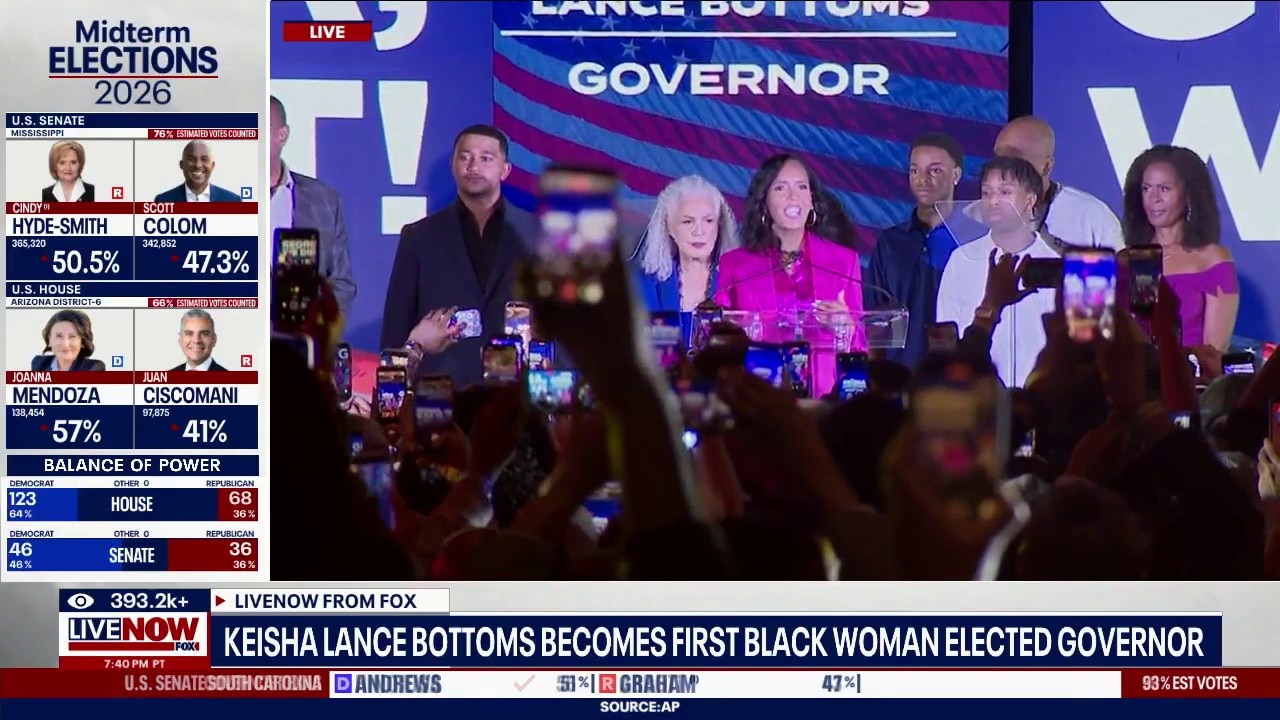
Keisha Lance Bottoms elected governor in Georgia
Democrat Keisha Lance Bottoms captured the Georgia governor's office Tuesday, defeating Republican businessman Rick Jackson to become the first Black woman elected governor in Georgia history, The Associated Press projects.
Where the polls were wrong
The clearest polling miss came in Georgia’s governor’s race.
Several late polls showed Republican Rick Jackson ahead of Democrat Keisha Lance Bottoms by 1 to 3 percentage points, while another survey showed the race tied. Bottoms ultimately won by roughly 8 points, making the polling average significantly closer than the final result.
Texas’ governor’s race was another mixed result. Some polls showed Abbott ahead by as many as 5 points, while others showed Hinojosa leading by 1 or 2 points. Hinojosa won, meaning the polls that showed Abbott ahead were wrong, while the surveys showing Hinojosa with a narrow advantage correctly identified the winner.
RELATED: Trump claims GOP would have won ‘IN A LANDSLIDE’ if he were on ballot
The Alaska Senate race also showed the limits of judging forecasts too quickly. Both prediction markets favored Democrat Mary Peltola, and most polls gave her a small advantage over Republican Dan Sullivan. However, the race remained unresolved because Alaska uses ranked-choice voting and final results were expected to take several days.
Why you should care:
Which was more accurate?
Based on the races included in the document, prediction markets had the stronger record at identifying winners. They correctly favored the eventual winner in the major races where they provided forecasts.
Polls also performed well at identifying the overall direction of the election, but they were less reliable when estimating the size of the candidates’ leads. In Georgia and Texas, for example, several polls either showed the eventual winner trailing or described a race that turned out to be less competitive than expected.
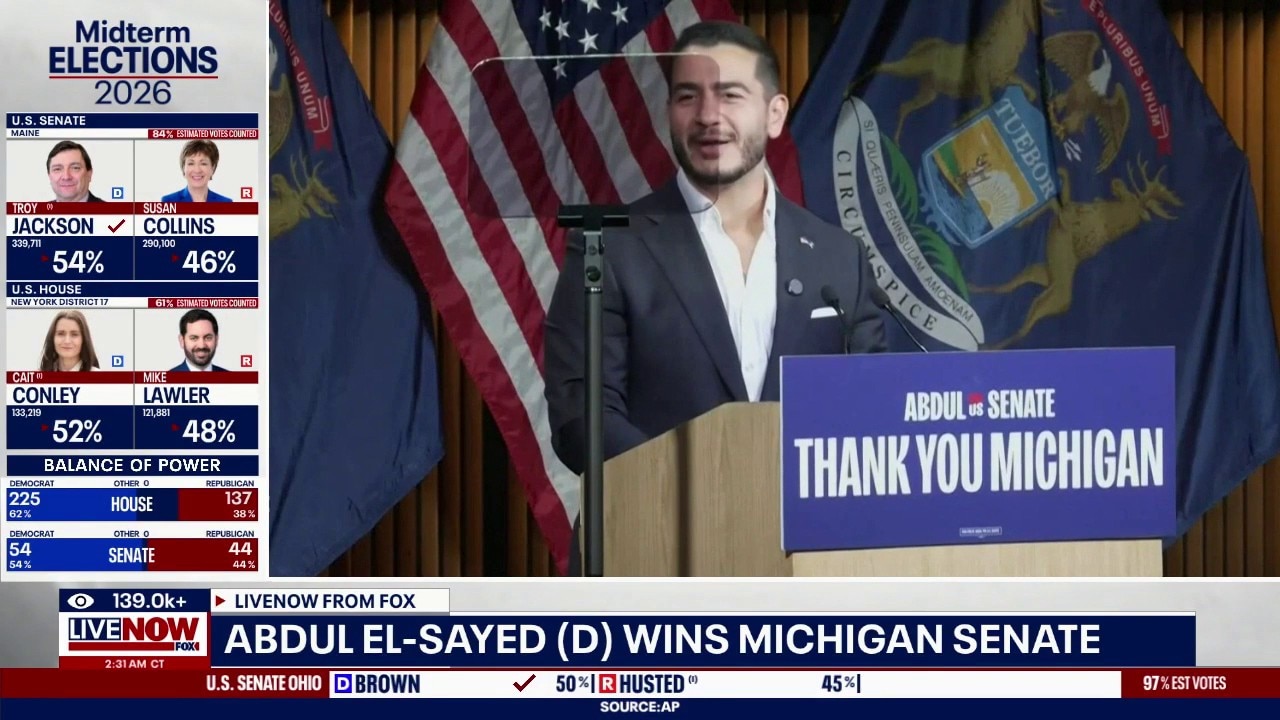
Abdul El-Sayed wins Michigan senate race
Democrat Abdul El-Sayed won Michigan’s open U.S. Senate seat Tuesday, according to media projections, making history as the first Muslim elected to the Senate.
The results suggest that prediction markets were better at answering the question of who would win, while polls were more useful for showing how competitive a race appeared before Election Day. Neither method was perfect, but the markets were more consistent in identifying the eventual winners.
The Source: The information in this story came from pre-election prediction-market forecasts published by Kalshi and Polymarket, along with late polling data compiled by The New York Times’ polling database. This story was reported from Los Angeles.