

Pro-Flock activists push Richmond council to extend contract, turn cameras back on
Ongoing Bay Area debate over Flock cameras
There is an ongoing debate in the Bay Area over Flock cameras.
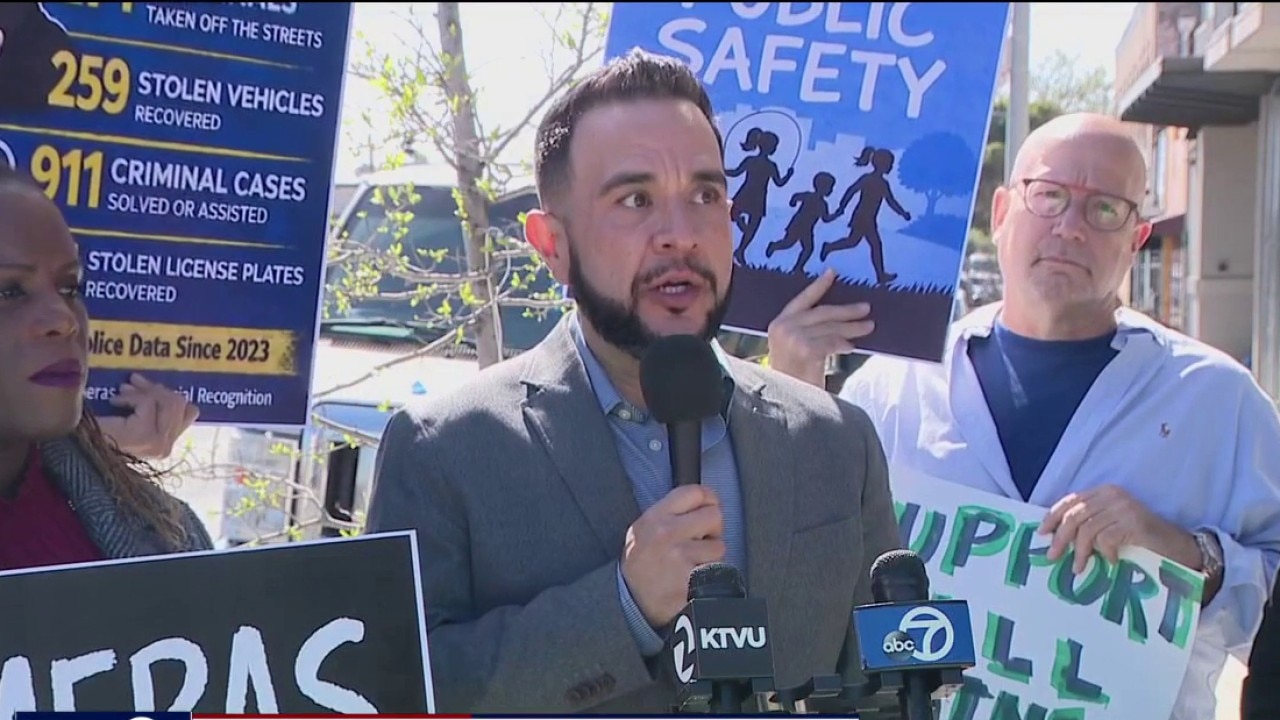
RICHMOND, Calif. - A group of pro-Flock activists rallied on Tuesday ahead of a Richmond City Council meeting touting the benefits they see in having automated license plate readers capture photos of cars – and criminals – as councilmembers are poised to extend the contract with the controversial company.
Activists rally for Flock, public safety
What they're saying:
Oscar Garcia, president of the 23rd St Merchants Association, and Richmond safety advocates Ahmad Anderson, Brandon Evans and Keyca Gallon, alongside leaders from other cities, including Milpitas Mayor Carmen Montano and Fremont Councilmember Yang Shao all spoke at a rally Tuesday morning in support of Flock.
Edward Escobar, founder of the Coalition for Community Engagement, organized the event.
"Public safety is No. 1," Escobar said. "Without public safety we have nothing. One of the tools of public safety is technology."
Shao, who is running for state Assembly, said these cameras can help immigrants like himself realize the American dream.
"The key to our happiness is public safety, public safety and public safety," Shao said.
Fremont has this public safety, Shao said, because of technology, including Tesla patrol cars and Flock cameras on their roads.
Richmond vote on Flock extension
2 Bay Area mayors disagree over ending Flock surveillance contracts
As Bay Area cities cut ties with Flock, two South Bay mayors share their differing views on ditching the surveillance technology to fight crime amid immigration concerns.
What's next:
On Tuesday evening, the Richmond City Council was set to vote on whether to extend its contract with Flock, as well as receive an update on the city's efforts to safeguarding its residents from federal civil immigration enforcement. But the meeting went so long, with so many people wanting to speak, the vote was delayed.
The Flock cameras have been turned off since December 2025.
That's after Police Chief Timothy Simmons realized there was a "system configuration error" that allowed some outside police agencies to search its database, in violation of Richmond policy.
Simmons wrote on Facebook that the issue was "unintentional," the problem was disabled and there was no evidence that any outside agency used or misused the data.
But Richmond police turned off the system anyway until Flock could prove to the city that it had safeguards where it wouldn't happen again.
Richmond only shares data with El Cerrito police, according to a staff memo. Last week two law firms filed a class-action lawsuit against Flock over the federal sharing issue.
Simmons also credited the cameras for helping police since April 2023. Specifically, he cited data that the technology helped arrest 272 people, ID'ing suspects connected to 12 homicides, recovering nearly 260 cars.
What are ALPR cameras?
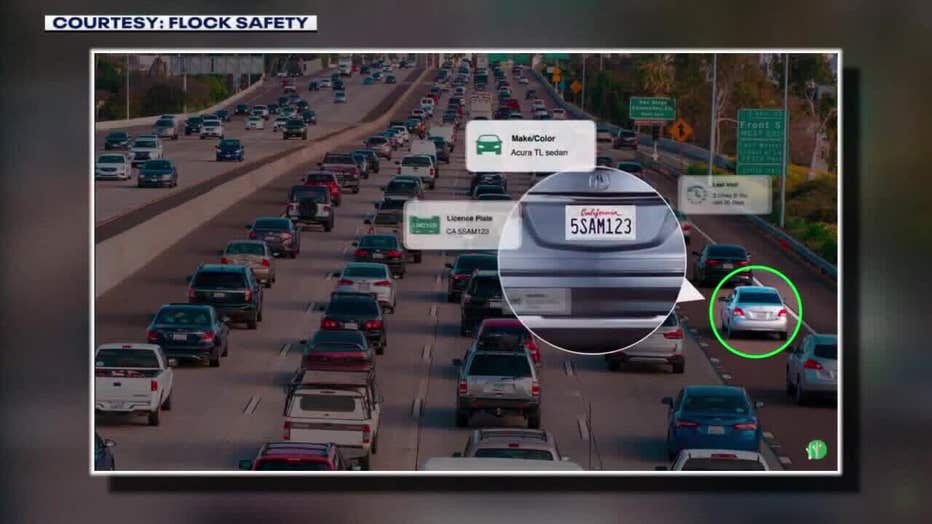
How APLR cameras work.
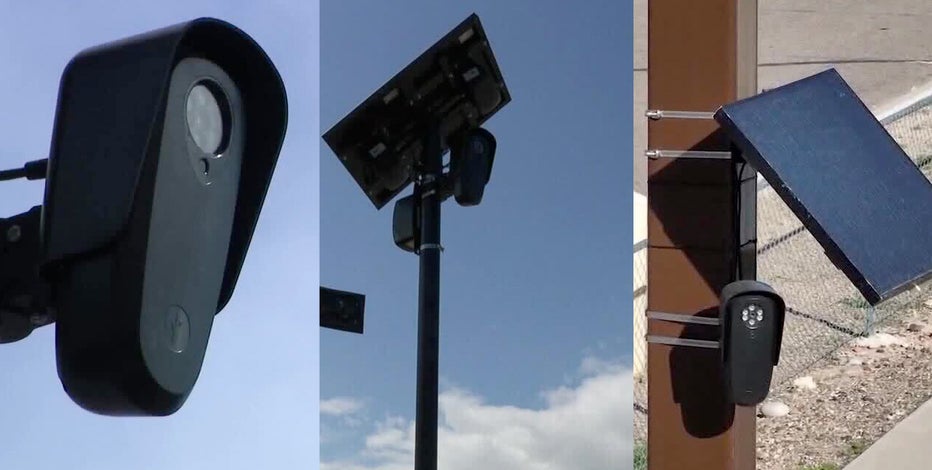
Automated License Plate Readers, or ALPR cameras, take photos of passing cars, capturing license plate numbers and other identifying information like a vehicle’s make and model.
The data is then cross-checked with a national database to identify stolen cars as well as cars associated with missing people or criminal investigations.
Advocates say the technology helps police catch criminals. Critics, like the Electronic Frontier Foundation, argue their utility is debatable and that they are tools in eroding civil liberties.
Flock Safety in Atlanta is the largest and most well-known company that makes these cameras, though there are other companies, including Axon and Vigilant Solutions, who sell similar products.
Other cities grappling with Flock
Big picture view:
The Richmond issue is not an isolated one.
Smaller cities around the country have been dropping Flock's cameras, mostly over how the data is shared with federal agencies, and who might use the information to help ICE.
According to the website, DeFlock.com, at least 50 cities have deactivated their Flock cameras.
Still, Flock says it has 5,000 contracts nationwide, including Bay Area cities including San Jose and Oakland.
But Mountain View, Santa Cruz and Santa Clara County all recently voted to dump Flock.
Flock's point of view
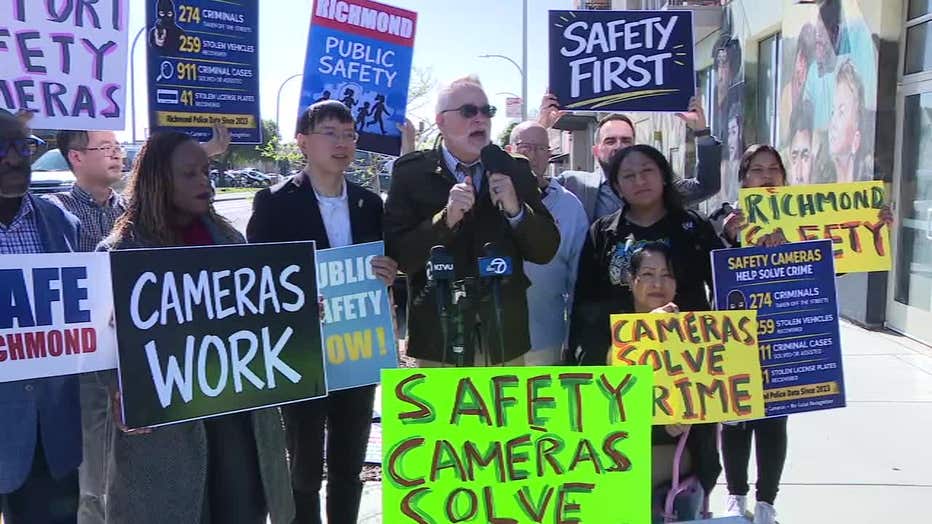
Edward Escobar, founder of the Coalition for Community Engagement, organized the pro-Flock rally in Richmond. March 3, 2026
In a statement to KTVU, Flock spokesperson Paris Lewbel said that leaving Flock has "real consequences — it means cases will take longer to solve, organized retail theft crews will operate with fewer obstacles, an Amber Alert victim may not be returned home, and victims may wait longer, or indefinitely, for justice."
The reason communities are leaving, Lewbel said, is because of misinformation: "The claims circulating about Flock sharing data with ICE or CBP are false. Flock does not share data with ICE or CBP."
Lewbel said that in California specifically, over the past several months, Flock disabled the "national lookup," blocked out-of-state discoverability, prevented federal agencies from being able to request access to California agency data and helped agencies in auditing existing sharing settings.
Changes to Flock
In March 2025, Flock Safety fully disabled the "national lookup" feature for all California agencies, bringing the platform into compliance with California Senate Bill 34, which prohibits California law enforcement agencies from sharing ALPR data outside the state or with federal agencies.
In June 2025, Flock Safety permanently blocked out-of-state agencies from creating data-sharing relationships with any California agency. Then, in July 2025, the system was updated statewide to automatically flag and block specific search
keywords—such as "immigration"—from search queries to ensure compliance with California’s sanctuary laws.