

San Francisco Castro bars pause security technology after privacy backlash
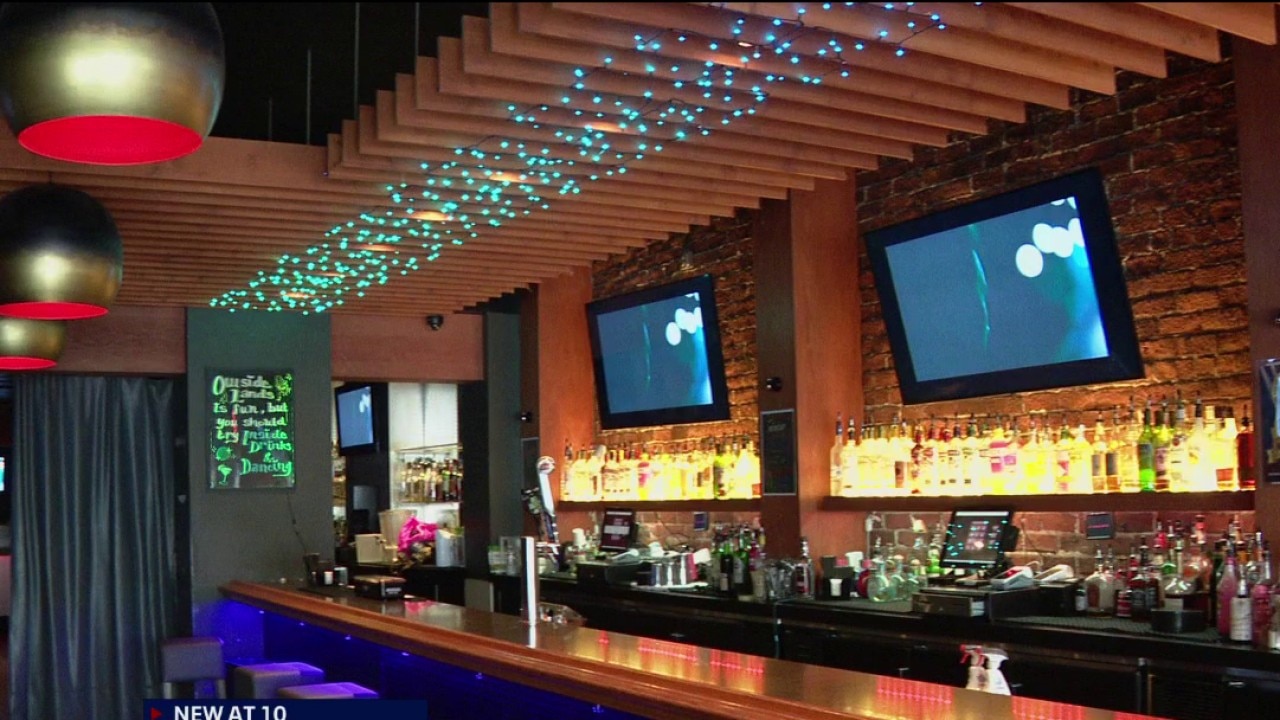
San Francisco Castro bars pause security technology after privacy backlash
Badlands and Toad Hall are pausing their use of Patronscan after community backlash over the technology, while The Mix continues to use it for security purposes.
SAN FRANCISCO - Two San Francisco Castro bars are pausing their use of Patronscan, a security technology that scans IDs and takes a photo of people entering the venues, following backlash from customers and LGBTQ+ and privacy rights groups.
Badlands and Toad Hall posted on Instagram Friday that they heard concerns from the Castro community and have paused the technology while they review their security practices.
The decision follows a petition from digital rights group Fight for the Future calling on Castro bars to remove the technology. The group and other privacy advocates have raised concerns about the collection and sharing of customer information.
What they're saying:
Some patrons say the technology goes beyond what's necessary for a night out.
"I just thought it was a little bit extra. I didn't really understand why they needed to do all of that when we have IDs that we've been using for so long," said Noah Kaitz, a San Francisco resident.
"Especially because in the LGBTQ community, some people aren't comfortable with being recorded or noted for frequenting LGBTQ establishments," said James Peters, a San Francisco resident. "In my opinion, it might be a little bit of an overreach. Like obviously, bars have cameras, and that's important for keeping track of people that come in and start fights or problematic," Peters said.
Bars say technology provides an added layer of security
The other side:
Badlands and Toad Hall said they have used electronic ID verification systems for years for ID authentication, age verification and safety.
"There have been situations where an incident was captured by our security system, but we did not know the identity of the person involved," said Brian Aranda, director of operations for Badlands. "Entrance records could help us identify that individual and provide useful information to law enforcement."
Aranda said the system could also help prevent people involved in serious prior incidents from returning when a different security team is working.
"These tools can be particularly helpful when investigating serious matters such as assaults, suspected drink tampering or theft," Aranda said.
Patronscan says technology is not facial recognition
Patronscan says its Guard+ system does not use facial recognition or collect biometric data.
The company says the technology scans a government-issued ID and takes a photograph that door staff can compare with the photo on the ID. Patronscan says facial comparison features are not enabled for its North American customers.
For California bars and nightclubs, Patronscan says information from customers who are not flagged is retained for 21 days before being permanently deleted. The company also says customers can request deletion of their information and that people who believe they have been incorrectly flagged can dispute the flag.
Patronscan's system includes a Flag Network that allows participating venues to receive alerts about patrons who have been flagged for serious incidents. The company says networked flags can remain for up to one year, while single-venue flags can remain for up to five years.
"We understand why people have concerns about technology and privacy; those are important conversations worth having and we are always glad to be part of them and share accurate information about how our service works. We take our responsibility very seriously in making sure that our product is used ethically and in accordance with all privacy and data protection legislation," Patronscan VP of People & Operations Rhiannon Mosoronchon said in a statement.
For the Mix bar, safety remains a reason to keep using the technology.
The bar on 18th Street currently has Patronscan in place on weekends, when crowds can swell. The bar says it began using the technology after an employee was assaulted by a patron who had been kicked out.
Some longtime residents say the security is worth the tradeoff.
"I fly all the time and every time you set foot in an airport you're being totally surveilled from a hundred different directions, so it really didn't bother me," said Brian McConnell, a San Francisco resident. "I know that there people concerned about surveillance and everything, but the reality is if you have a smartphone, you're kind of telegraphing what you're doing at all times."
An engineering professor, however, said security shouldn't come at the expense of everyone's privacy.
"I look at it as an expert. This is like a collective punishment. You have few bad apples, and those bad apples are making big deals. And now you want to apply some strict rules to everybody. Like everybody has to follow that. There should be alternatives," said Ahmed Banafa, an engineering professor at San Jose State University.
Badlands and Toad Hall have not set an end date for the pause.
The Source: Patronscan, Badlands and Toad Hall statements, interviews with bar patrons