

San Francisco health officials warn of deadly wild mushroom poisonings

Bay Area man dies from suspected mushroom poisoning
Sonoma County has issued an urgent health warning regarding wild mushrooms, which are sprouting up across the entire Bay Area, posing extreme danger to people of all ages and their pets.
SAN FRANCISCO - Public health officials are warning residents about a surge in severe illnesses and deaths across the state linked to eating poisonous wild mushrooms.
The San Francisco Department of Public Health reported an uptick in cases since November 2025. Officials said people have been picking and eating wild mushrooms—specifically the Death Cap and Western Destroying Angel varieties—mistakenly believing they are edible.
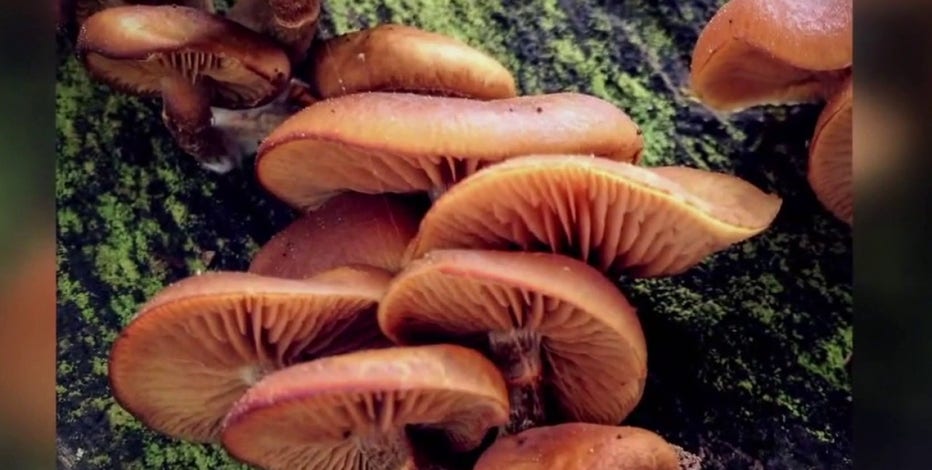
Bay Area man dies from suspected mushroom poisoning
Sonoma County has issued an urgent health warning regarding wild mushrooms, which are sprouting up across the entire Bay Area, posing extreme danger to people of all ages and their pets.
Don't be fooled
Why you should care:
Health experts warned that the physical appearance of these toxic fungi can be deceiving.
"These poisonous mushrooms can easily be mistaken for safe, edible mushrooms due to their similar appearance and taste, but consuming them can lead to severe poisoning," the health department wrote. "Cooking, boiling, drying, or freezing these poisonous mushrooms does not make them safe to eat."
Featured

CDC issues urgent travel alert as virus outbreak hits exclusive sunny islands destination
A group of exclusive sunny islands are on alert as the U.S. Centers for Disease Control and Prevention (CDC) has issued an urgent warning of a virus outbreak.
Rising case numbers
Dig deeper:
The consequences of eating them have proven fatal. Between Nov. 18, 2025, and Feb. 9, 2026, California recorded 40 cases of mushroom poisoning. These incidents resulted in four deaths and at least three liver transplants. Symptoms typically manifest six to 24 hours after consumption and may include vomiting, severe abdominal pain, and diarrhea.
Health officials said these symptoms can progress to liver damage and death.
Health officials advise anyone who suspects they or someone they know has eaten a poisonous mushroom to seek immediate medical attention or contact the California Poison Control Hotline at 1-800-222-1222.
The Source: This story was written based on information from the San Francisco Public Health Department along with prior reporting.