

Supreme Court upholds Trump's firings of the heads of independent federal agencies except the Federal Reserve
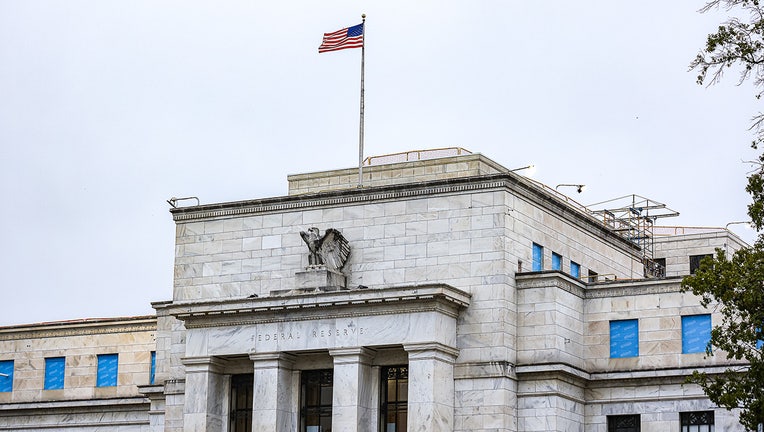
FILE - The U.S. flag flies over the Federal Reserve. (Photo by Valerie Plesch/picture alliance via Getty Images)
The Supreme Court on Monday dramatically expanded presidential power, upholding President Donald Trump’s firings of the heads of independent federal agencies with one important exception, the Federal Reserve.
The justices allowed Fed governor Lisa Cook to stay in her job while she fights the Republican president’s effort to fire her over allegations of mortgage fraud, which she has denied.
But other than at the nation’s central bank, with its role of setting interest rates, the court held that presidents have free rein to fire agency heads at will, despite federal laws that require a cause for such dismissals and a 91-year-old decision that had limited executive authority. That decision, Humphrey's Executor, was overturned.
Big picture view:
When the case went before the justices in December, the Trump administration claimed that the president had every right to fire Slaughter and said Humphrey’s Executor should be overturned, The Associated Press reported at the time. Solicitor General D. John Sauer said the Great Depression-era ruling "hasn’t withstood the test of time" and led to an administrative state that he described as a "headless fourth branch" of government.
Justice Brett Kavanaugh was quoted as saying during oral arguments that the issue for him came down to officials at the agencies, who he said are unaccountable to anyone, "exercising massive power over individual liberty and billion-dollar industries." Justice Elena Kagan, on the other hand, stated that overturning Humphrey’s Executor would give a president, "massive unchecked, uncontrolled power."
Why you should care:
The Supreme Court ruling is expected to have a major impact on the power of the presidency, as the limitations on when members of independent federal agencies could be dismissed are seen by some as a way to allow those members to make decisions without fear of political influence.
The backstory:
Slaughter has not held her role at the FTC since September of last year, after Chief Justice John Roberts allowed Trump to remove her, the AP noted. At the time, her ouster was one of a string of firings by the president allowed by the high court.
After Trump tried removing Slaughter, she filed her lawsuit and was reinstated by a district court citing the precedent limiting the reasons commissioners could be ousted. The Trump administration appealed the decision to the Supreme Court’s emergency docket, at which time Roberts halted the lower court’s order.
Dig deeper:
Humphrey’s Executor precedent was handed down in a 1935 case that also involved an FTC member who was fired, The Associated Press explained. In that case, William Humphrey refused a request to resign from President Franklin Roosevelt, who had wanted to install people friendlier to his New Deal initiatives that would be under the scope of the agency.
Humphrey died the next year, but the executor of his estate sued the administration for back pay. The Supreme Court justices of the time unanimously backed the FTC and found that a president could only get rid of a commissioner in cases of "inefficiency, neglect of duty, or malfeasance in office."
The Source: Information for this article was taken from The Associated Press. This story was reported from Orlando.