

Avoiding these 3 things during midlife could ward off dementia

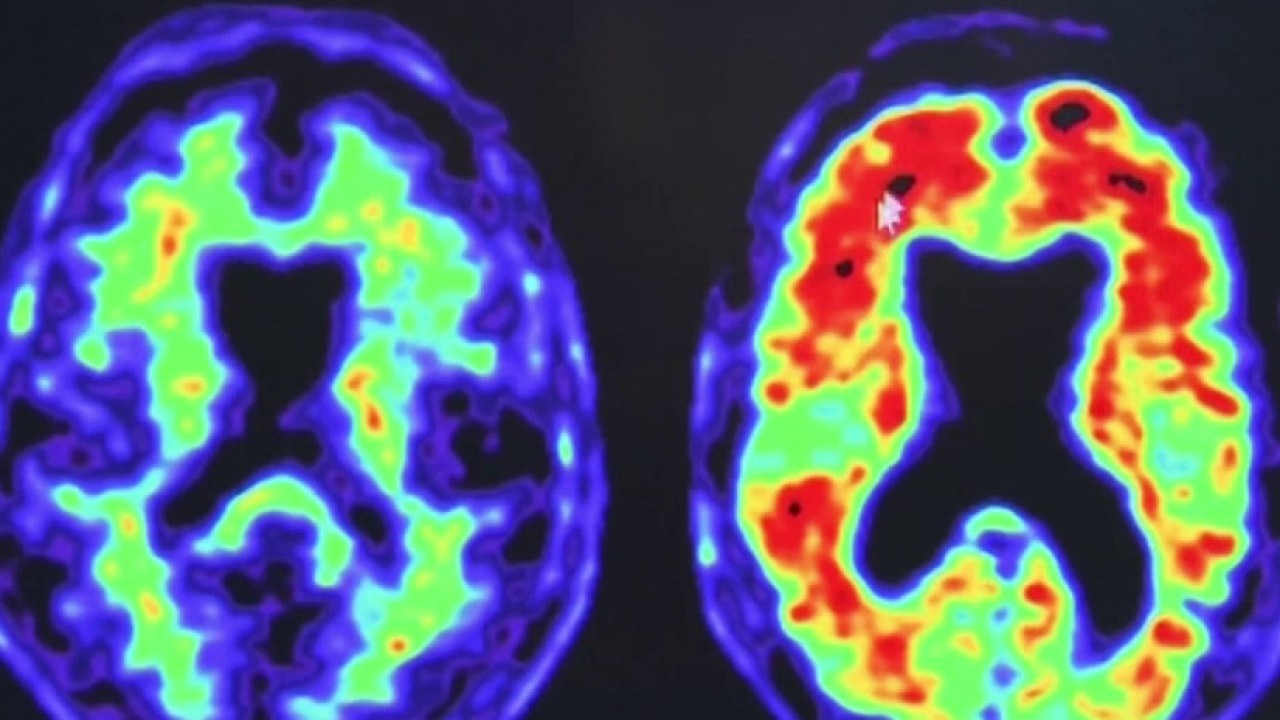
File: Brain scan images (Credit: Brian B. Bettencourt/Toronto Star via Getty Images)
NEW YORK - Researchers have identified three specific health markers during people’s midlife years that can minimize risk for dementia, suggesting targeted prevention efforts could ward off dementia for more than a decade.
The neurological condition affects more than 6 million people in the U.S., with an estimated 42% of Americans over the age of 55 eventually developing dementia, according to the National Institutes of Health.
The 3 risk factors
But a new long-term study led by researchers from NYU Langone Health found that a person can prolong their dementia-free survival years if, from the age of 48-to-68, they have healthy blood pressure, don’t have diabetes, and don’t smoke.
The study found the three factors, all that can lead to major risks for cardiovascular disease and stroke, both accelerated the onset of dementia and shortened overall dementia-free lifespans.
What they're saying:
"Our findings argue that people need to actively avert these factors in midlife as a strategy for preserving brain health for more than a decade," said Dr. Josef Coresh, the study's senior investigator and founding director of the Optimal Aging Institute at the NYU Grossman School of Medicine.
Dig deeper:
The study was based on data from the ongoing, landmark Atherosclerosis Risk in Communities research, which began in 1987, measuring midlife vascular risk factors and cognitive decline.
NYU Langone Health's research involved 12,409 people from the long-running ARIC study. The average age of the group was 56.
The subjects were assessed for high blood pressure, diabetes, and smoking. None of them had dementia at the start of the study.
Researchers followed the participants for an average of 26 years.
The results
Among the study's participants, 3,008 developed dementia.
5,238 died without developing the condition.
People with none of the identified three risk factors lived without dementia almost 13 years longer than people with dementia, researchers found.
Gender and race
The study also suggested gender and race may play a role.
Women lived longer without dementia than men, and white participants had more dementia-free years than those who are Black.
Researchers said women who had all three risk factors lived an average of about 18 years without developing dementia, compared to the 16.6 years for men in the study.
SEE ALSO: Vaccine could prevent some forms of colon cancer
When it came to race, white participants with all three risk factors lived an average of 19.6 years without developing dementia, compared to an average of 16 years of dementia-free survival among Black participants.
"These results suggest that vascular risk reduction may benefit all groups, but that certain populations, such as Black adults, may especially benefit from targeted prevention efforts," Coresh said.
Drawing an association
Researchers noted that the study did have its limitations in that the health risks were assessed only once. That means the measurement of risk did not take into account any changes to vascular risk factors over time.
They also stressed that the study was not designed to prove that avoiding high blood pressure, diabetes, and smoking caused the "observed delay in dementia."
Rather, researchers sought to draw a link between dementia and those vascular risk factors.
Big picture view:
The scientists said their findings offered a distinct framework to motivate patients to implement prevention strategies benefiting both cardiovascular and cognitive health.
Due to the nation's aging population, figures show the annual number of new dementia cases will jump to about 1 million per year by 2060.
Researchers said they hope the findings will encourage people to take targeted measures to avoid actions that heighten the identified factors linked to dementia.
"Discovering new ways to delay dementia is crucial," Coresh said. "Hopefully, these results will encourage people to stop smoking and watch their vascular health closely from age 48 on."

Your sleep may reveal early signs of dementia risk, study finds
A new study from UCSF suggests your brain may be aging faster than you think, and the warning signs could show up while you sleep.
This story was reported from Oakland, Calif.