

Last-minute arrest blocks release of serial child predator granted parole in California
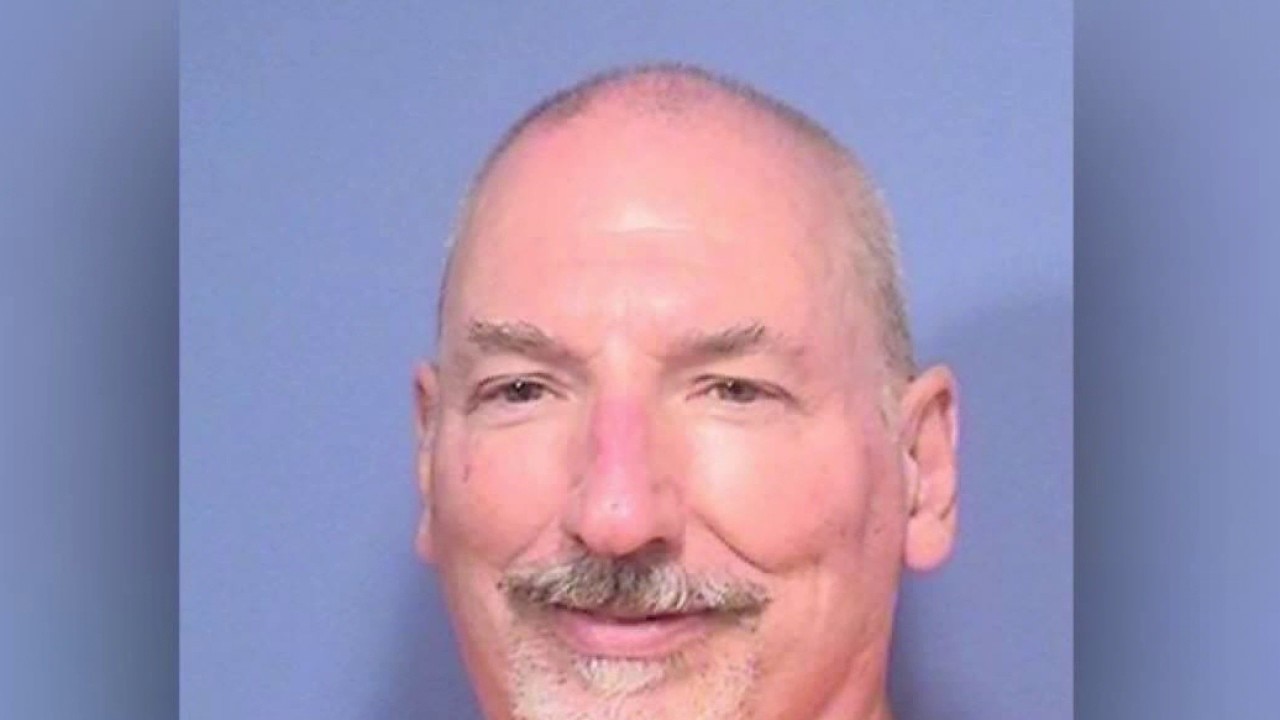
Serial child molester granted parole
After being granted parole, 64-year-old David Allen Funston, who sexually assaulted young boys and girls in the 1990s is set to be released under the Elderly Parole program. The former prosecutor who tried him is now fighting against his freedom.
CHINO, Calif. - A convicted serial child predator who was scheduled for release from state prison this week remains behind bars after Placer County authorities intervened with a last-minute arrest warrant.
David Allen Funston, 64, was transferred directly into law enforcement custody Thursday morning, narrowly avoiding a return to the community that sparked intense public outcry over the definition of "elderly" inmates and the limits of executive power.
What we know:
Funston was convicted in 1999 on 16 counts for terrorizing the Sacramento area in the mid-1990s, specifically targeting children under seven years old.
Despite being sentenced to three life terms plus additional decades, he became eligible for release via the Elderly Parole Program.
PREVIOUS COVERAGE: Serial California child molester granted parole despite life sentences: report
This statutory program, signed into law by Governor Gavin Newsom, lowered the eligibility age from the 60s to 50 and requires only 20 years of continuous incarceration. The program allows inmates over 50 who have served 20 years to be considered for release.
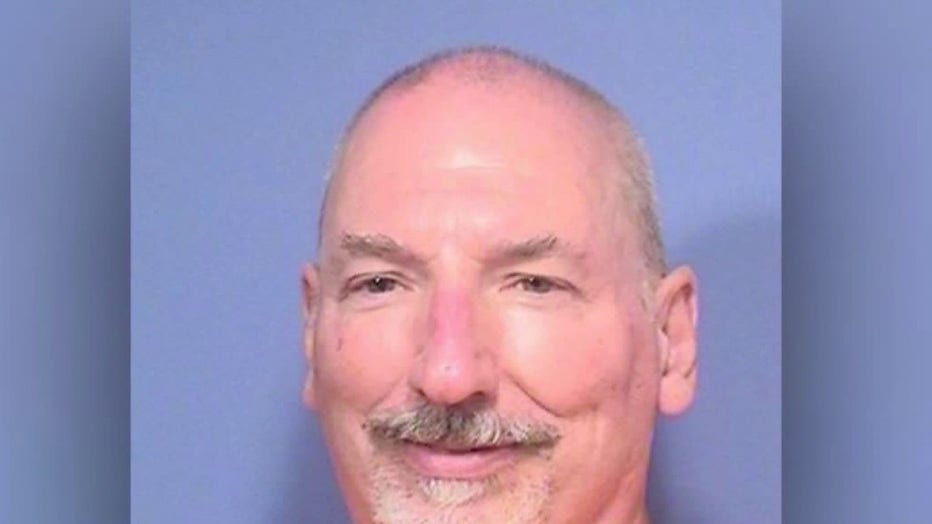
David Allen Funston / Photo courtesy California Department of Corrections and Rehabilitation
Although Newsom referred the case for a full review by the Board of Parole in early 2026, the board reaffirmed its decision to release him on Feb. 18, 2026.
What they're saying:
The decision to release Funston drew fierce criticism from victims and law enforcement.
One victim, Amelia, told "The Ingraham Angle" she was "disgusted" by the board's decision, stating, "I don’t believe that people like that change."
California GOP Chair Corrin Rankin argued the last-minute warrant "exposes" a broken system, saying, "California Democrats... built a parole system that was ready and willing to release a violent child predator back into our community."
Meanwhile, Anne Marie Schubert, the former prosecutor who originally tried Funston’s case, described the situation as one that "shocks the conscience of all Californians."
Speaking on the parole board's decision, Schubert noted, "We’re willing to let violent sex offenders out of prison as early as 50 after only 20 years on three life terms."
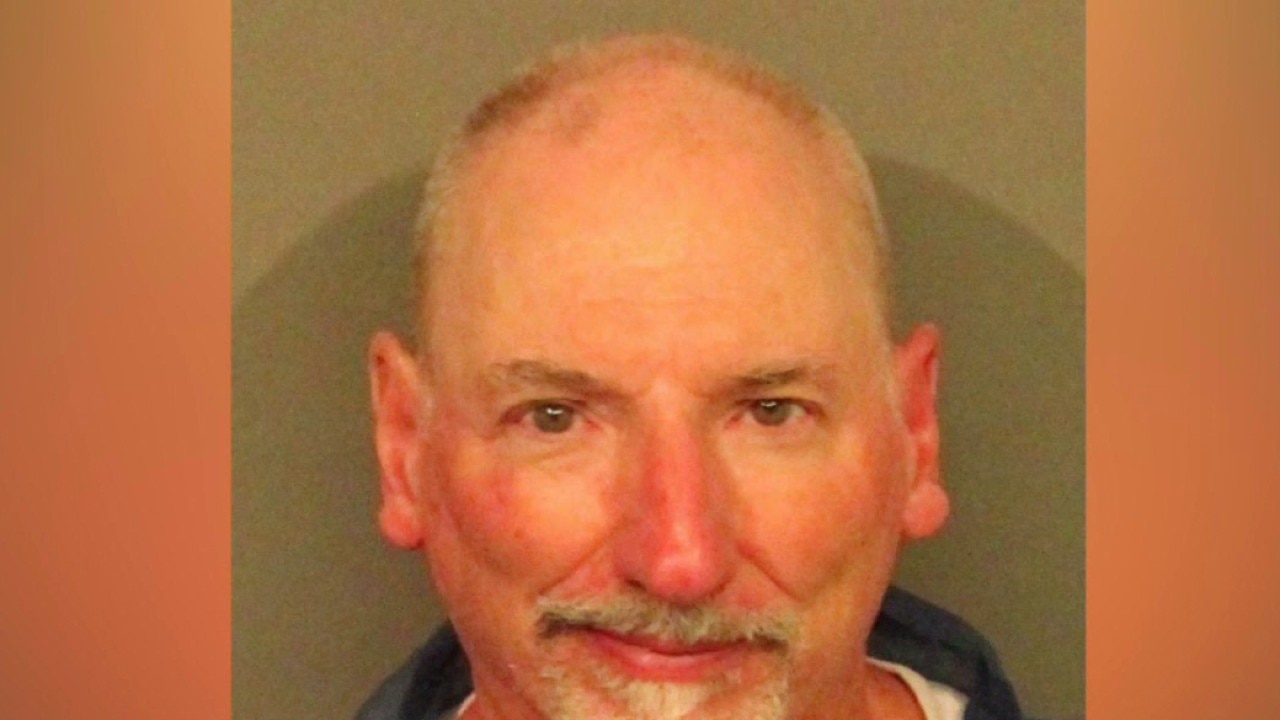
CA serial child molester rearrested before being granted parole
A convicted serial child molester was rearrested after technically being freed after being granted parole by the California Parole Board.
She also clarified a major point of public confusion regarding Newsom's role.
"The short answer is no, under the constitutional authorities, he only can reverse a parole grant on a murder case, not on horrible violence, sexual predators, serial rapists," Schubert said.
While Newsom referred the case for a board review, he lacked the legal standing to veto the board's final recommendation to free Funston, she added.
"I think the governor owns this. I mean, he signed this law. The legislature under the Supreme Court already passed it and for some reason felt that it was an appropriate law to reduce the age," Schubert said.
"You gotta be 62 to get, collect social security. You can't collect your pensions until much, much later. But we're willing to let violent sex offenders out of prison as early as 50 after only 20 years on three life terms? I mean honestly, I think it shocks the conscience of all Californians, with the exception of our parole board, who thought it was okay."
Timeline:
- 1996: Funston allegedly kidnaps and molests a child in Roseville (the basis for the new charges).
- 1999: Funston is convicted of multiple counts of kidnapping and child molestation; sentenced to life.
- Sept. 24, 2025: The Board of Parole Hearings finds Funston suitable for parole under the Elderly Parole Program.
- Jan. 9, 2026: Newsom refers the case back for review.
- Feb. 18, 2026: The board reaffirms the parole recommendation.
- Feb. 26, 2026: Placer County issues a new warrant; Funston is transferred to law enforcement instead of being released.
What's next:
The Criminal Justice Legal Foundation and the California District Attorneys Association have sent a formal letter to the Board of Parole Hearings urging them to rescind the grant entirely.
Funston will remain in custody pending his first court appearance in connection with the new criminal charges in Placer County related to the 1996 Roseville case.
A release date for Funston has not been announced.
The Source: This report is based on information from the California Department of Corrections and Rehabilitation (CDCR) and the Placer County District Attorney's Office, as well as an interview with the original prosecuting attorney in the case. Information regarding the victim's impact and political reactions was sourced from direct interviews and public statements provided by the Sacramento County Sheriff's Office and the California GOP via FOX News. Additional context was provided by the California District Attorneys Association.