

Marin County holds community sessions to prepare for El Niño hazards
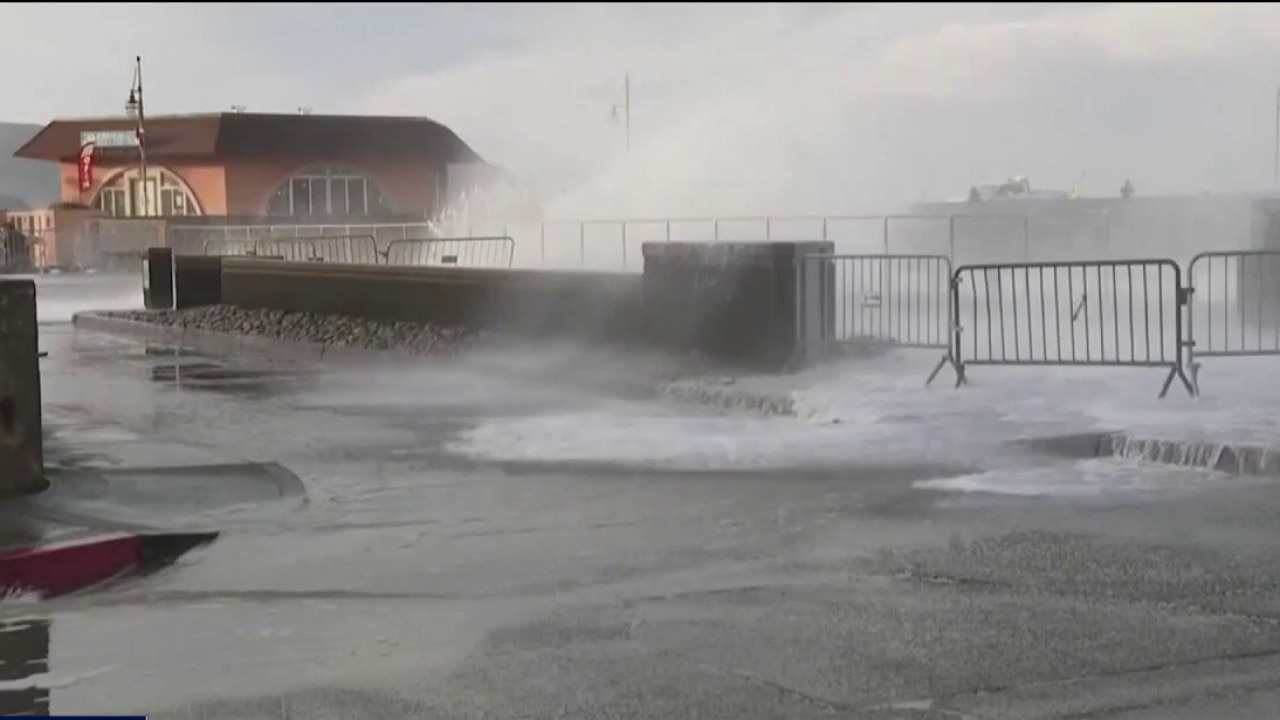
Communities bracing for El Niño
With the rainy season fast approaching, Marin County is wasting no time getting ready. Officials are taking their prep plan directly to the neighborhoods most at risk of flooding.
MARIN COUNTY, California - Marin County officials met with Ross Valley residents Monday evening at the College of Marin to share preparation strategies for the developing and unpredictable El Niño climate pattern.
As the rainy season sets in, the county—already vulnerable to sea level rise—faces heightened risks associated with the weather pattern.
Heightened risk of flooding
"We have been emphasizing that there could be storms, but it doesn't guarantee a wet winter," said Steven Torrance, director of Marin County Public Works.
Department of Public Works official Robin Bartlett noted that while heavy rains can happen in any given year, an El Niño year elevates the overall risk.
The National Weather Service reported that an enhanced Pacific jet stream is expected to direct substantial moisture and active storm tracks toward California and the southern United States over the next four to six months. A historic "super" El Niño continues to warm equatorial waters in the eastern and central Pacific off South America, where sea temperatures have reached record highs well above normal.
For local residents, the weather pattern increases the potential for a wetter, more active winter across the Bay Area.
"In the short time, 11 years that I've lived on Larkspur Plaza Drive, there have been numerous floodings. Neighbors have lost their cars. Last winter we couldn't get out," said local resident Wendy Evje, adding that the ongoing problem has gotten progressively worse.
Seeking out resources
Resident Ray Cooper expressed a desire to seek out resources proactively ahead of November, noting that conditions are unlikely to get easier.
If severe storms materialize, El Niño can bring heavy rains, strong winds, flooding, mudslides, landslides, high tides, coastal erosion, downed trees, and travel disruptions.
"We recognize that storms do not stop at a city or town border or a district border. We must collaborate with our partner agencies. We are really looking at a 'One Marin' approach," Torrance said.
Bartlett said crews have identified critical areas and are implementing temporary measures and repairs to reduce hazards.
"It will not eliminate the risk of flooding, but we want to do whatever we reasonably can," Bartlett said.
Nick Brubaker, Marin County's chief resilience officer, emphasized that household-level planning is essential, especially for residents who are new or live outside traditional flood zones.
"This is your opportunity to make a plan and really figure out what you, at the household level, need to do to make sure you're ready for when an incident occurs, knowing that a lot of people are going to be impacted all at the same time," Brubaker said.
County officials plan to hold several additional community meetings targeting areas most vulnerable to impacts, including both bayside and oceanside communities.