

Oakland non-profits aim to secure funds for youth programs from historic Meta settlement
Leaders organize youth gatherings at Offline Oakland
Local youth organizations in Oakland are rallying to help young people unplug from screens and reconnect with their community, with several non-profits hoping to secure a share of the more than $17 billion Meta settlement finalized last month.
OAKLAND, Calif. - Local youth organizations in Oakland are rallying to help young people unplug from screens and reconnect with their community, with several non-profits hoping to secure a share of the more than $17 billion Meta settlement finalized last month.
$17.1 billion payment from Meta
By the numbers:
The landmark settlement resolves lawsuits brought by dozens of states accusing the tech giant of creating addictive social media features on Instagram and Facebook that harm children's mental health.
In addition to agreeing to pay up to $17.1 billion over the next decade, Meta pledged to implement sweeping new child-safety measures, including hard daily time limits and mandatory breaks to interrupt continuous scrolling.
California is expected to receive upwards of $1.5 billion to $2 billion from the settlement payout.
Bay Area advocacy groups and non-profits are actively forming statewide coalitions to ensure those funds are directed toward community-based programs.
"It will be important to have the whole gamut of what young people have been asking for—community-based organizations, art organizations, behavioral health, and mental health as well," said Jessica Gunderson, Co-CEO of the Partnership for Children & Youth.
Unplugging in the Bay Area
Local perspective:
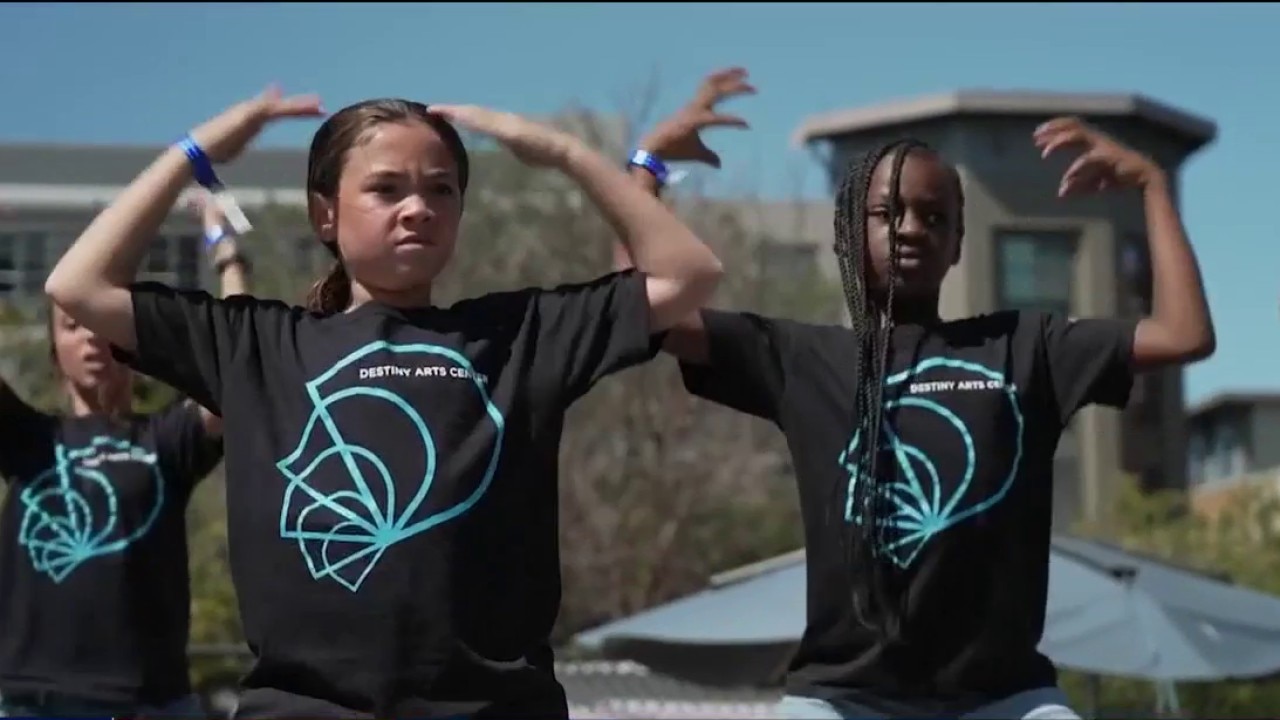
At local events, non-profits like Destiny Art Center are already demonstrating the impact of offline engagement.
Members of Destiny’s Junior Dance Company performed in Oakland, highlighting the power of face-to-face interaction over screen time.
"We just all tried out to get on the team. We are really excited because this is our first show together," said Stella Elizondo, an Oakland resident and dancer on the team. "I don't have a phone and I think it's good to be off the screen... it's a beautiful day."
While some youth operate without smartphones, others acknowledge spending up to seven hours a day on screens.
Dancers like Laurynn Taylor noted that cutting back on screen time helps young people stay connected to their surroundings and roots.
What's next:
How California allocates its portion of the settlement dollars will ultimately be determined by Gov. Gavin Newsom and the state legislature.
The Source: Information for this story came from Jessica Gunderson, Co-CEO of the Partnership for Children & Youth, Oakland residents and previous KTVU reporting.