

Flock surveillance cameras will stay in San Jose, but vote enacts revisions
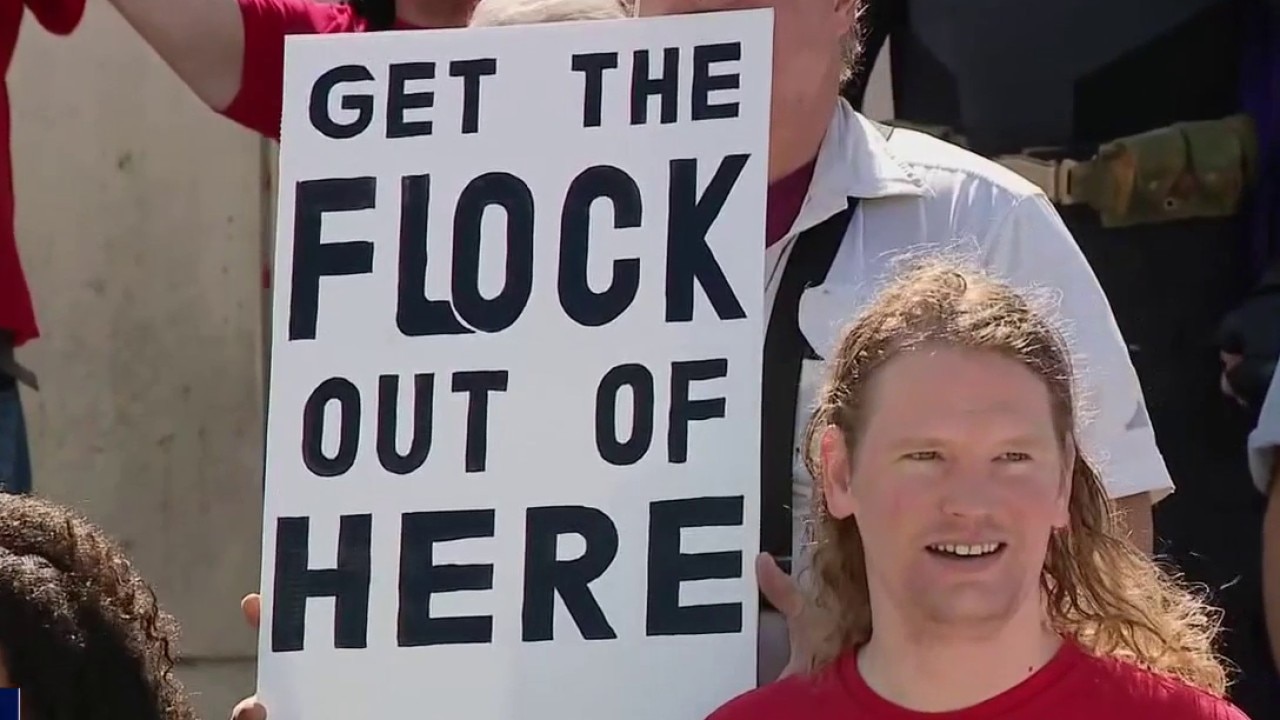
People in San Jose are pushing back against Flock surveillance technology
The message was clear outside of San Jose City Hall on Tuesday. People are pushing back against the use of the license plate cameras. Now city leaders are considering revisions to its Flock camera system.
SAN JOSE, Calif. - San Jose City Council voted unanimously on Tuesday to revise the city's automated license plate reader program that scales back some aspects of the surveillance system amid growing privacy concerns that have led other Bay Area cities to abandon the technology altogether.
Unlike Mountain View, which terminated its contract with Flock Safety over privacy objections, San Jose will retain the camera network and the contract will remain in place until June. However, Police Chief Paul Joseph's proposal called for significant changes to how the system operates.
2 Bay Area mayors disagree over ending Flock surveillance contracts
As Bay Area cities cut ties with Flock, two South Bay mayors share their differing views on ditching the surveillance technology to fight crime amid immigration concerns.
Under the approved revisions, the length of time license plate data is stored would be reduced from one year to 30 days. Joseph also sought to prohibit placement of Flock cameras near houses of worship and clinics that offer reproductive services.
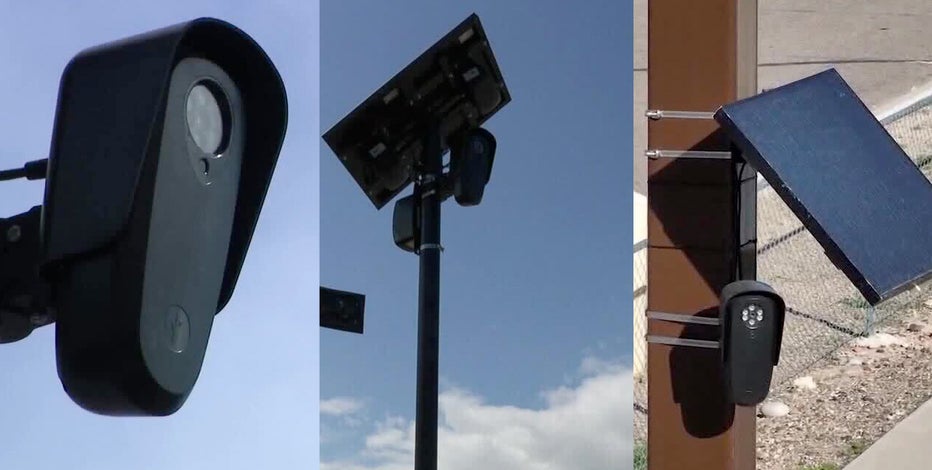
San Jose's network of Flock cameras is 500 strong.
The proposals reflect broader national scrutiny over automated license plate readers (ALPR), which law enforcement agencies say are valuable crime-fighting tools but which critics argue enable mass surveillance of residents going about their daily lives.
Anti-Flock surveillance movement
A large group of anti-Flock license-plate reader cameras gathered outside City Hall ahead of the City Council meeting.
At the meeting, Chief Joseph listed crimes solved using ALPRs. He said the impact of the cameras on the police department's public safety efforts is unquestioned. But he said that's only part of the equation.
Critics of the cameras argue they capture data from passing vehicles, which then can be shared and used by people outside the system's intended audience.
"We are repeatedly told that these cameras are an important tool to stop crime, but its abuses are being ignored," said Huy Tran with SIREN (Services, Immigrant Rights & Education Network).
FLOCK is either altering the settings without permission or is technically making mistakes to where non-California entities are able to access California data," said Brian Hofer the executive. director with Secure Justice.
But not everyone agreed. One man who is for the cameras likened the argument to throwing the baby out with the bath water.
"So there is definitely is a trade-off between privacy and security," said Dr. Melissa Michelson, Menlo College Political Scientist. "But sometimes people feel the line is being crossed."
What does Flock say?
In an email sent to KTVU in February and reaffirmed on Tuesday, a Flock representative in part said, "A small number of communities have chosen not to renew their contracts. When a tool that is actively helping solve violent crimes, locate suspects, and find missing people is removed, public safety does not improve – it moves backwards," Paris Lewbel with Flock said.