

Supreme Court rules on Roundup, Hawaii gun law, and TPS visa authority
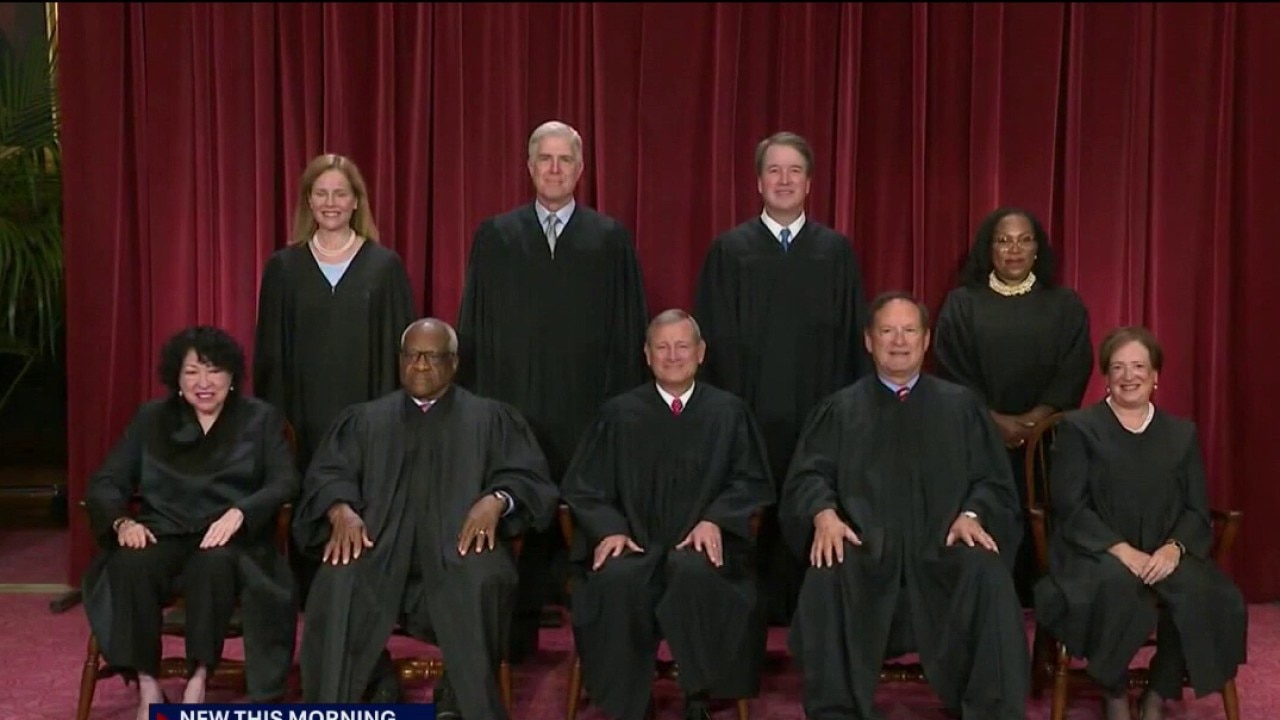
Breakdown of four Supreme Court rulings this morning
Key rulings on lawsuits over the pesticide, RoundUp, Immigration and a gun law in Hawaii struck down by the U.S. Supreme Court.
WASHINGTON, D.C. - The U.S. Supreme Court issued four major decisions on Thursday morning concerning immigration, firearms, and pesticides, while holding back its highly anticipated ruling on whether the president has the authority to end birthright citizenship.
In a 7-2 decision, the Supreme Court ruled that Monsanto and Bayer, the makers of the weed killer Roundup, cannot be sued in state courts over claims that an ingredient in the product causes cancer. The court noted that the EPA and federal regulators have already determined Roundup is not likely carcinogenic if used properly. The ruling puts the brakes on about 200,000 lawsuits filed against the manufacturers, with Justice Ketanji Brown Jackson siding with the conservative majority.
In a separate 6-3 decision split along partisan lines, the court ruled a Hawaii firearm law unconstitutional. The law barred gun owners with concealed-carry permits from bringing firearms onto private property without first obtaining permission from property owners. Going forward, businesses will be required to post signs explicitly stating "firearms not allowed" to prevent concealed carry on their premises.
The high court's conservative majority also led two rulings on immigration. In one decision, the court ruled that the federal government can turn away people at the border who are seeking asylum.
The second immigration case impacts individuals residing in the U.S. under the Temporary Protected Status (TPS) visa program, which allows 1.3 million people from 17 countries impacted by civil war and natural disasters to temporarily stay and work in the country. Following a lawsuit brought by some of the 350,000 Haitian and 6,000 Syrian TPS holders, the court ruled that the president has the authority to end the program at any time without judicial review.
"That's going to affect thousands of people... it also means generally speaking the administration has carte blanche to remove TPS status for any country," said Brad Joondeph, a professor of law at Santa Clara University. "It has broader implications for the administration's ability to control the immigration process without any judicial review."
While the ruling stemmed from a case brought by Haitian and Syrian nationals, the decision holds broader implications that could apply to TPS programs and visa holders from all other nations.
The Supreme Court did not release decisions on several other highly anticipated issues, including the legality of ending birthright citizenship, state bans on transgender athletes in women's sports, and regulations on how mail-in ballots are counted. The court is expected to release its next batch of decisions on Monday.
The Source: Interviews with law professors from Santa Clara University and UCSF College of the law, Supreme Court decisions