

College admissions anxiety is at an all-time high, but this expert says families need a different perspective
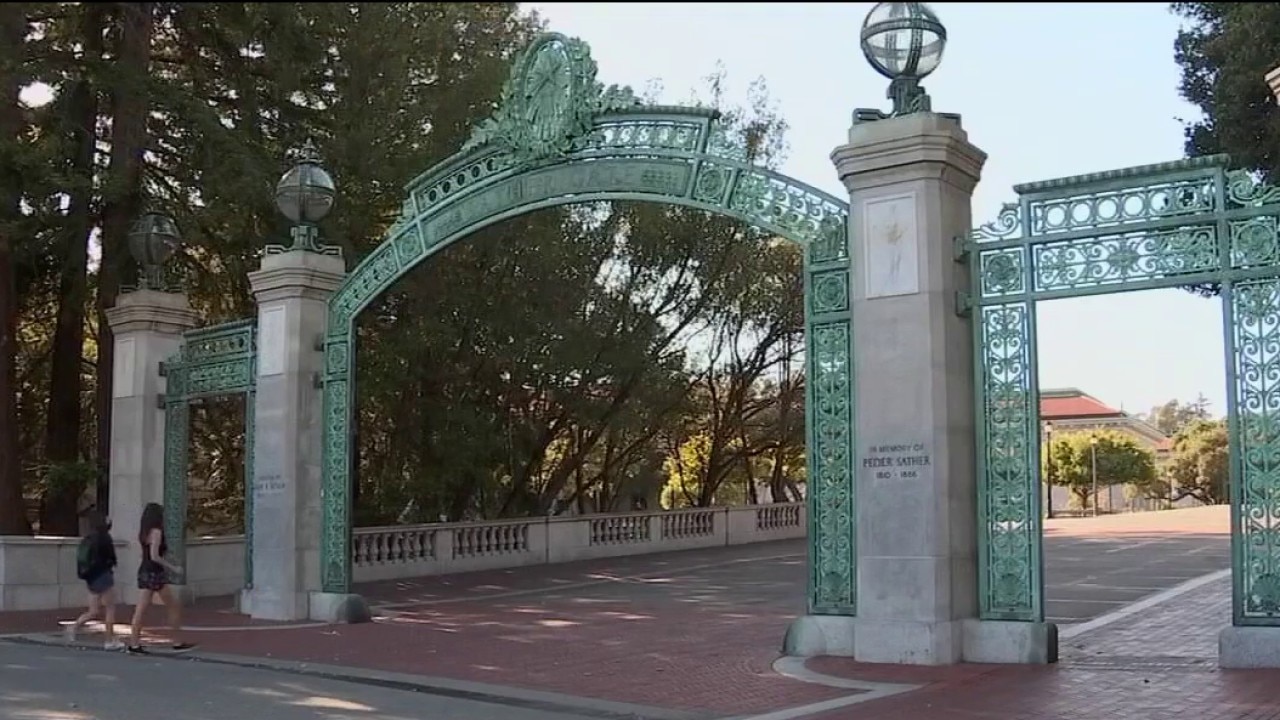
College admissions anxiety at an all-time high
For many students and their families, the college admissions process has become one of the most stressful experiences of adolescence — and a college advisor says much of that anxiety is self-inflicted.
OAKLAND, Calif. - National College Decision Day just passed — the annual milestone when high school seniors officially commit to where they'll spend the next four years.
And according to new data from the College Board's Education Pace 2026 report, the investment is worth it: four-year college graduates now earn 60% more than those with only a high school diploma, and nearly 40% of bachelor's degree holders are earning six figures by mid-career.
But getting there is another story.
For many students and their families, the college admissions process has become one of the most stressful experiences of adolescence — and a college advisor says much of that anxiety is self-inflicted.
Put under pressure
What they're saying:
"Loving, thoughtful, sane parents get completely turned upside down the minute the word college enters the conversation," said Beth Heller Gelles, a college advisor with more than 14 years of experience and author of the book "Crazy for College."
Heller Gelles runs a college advising practice called Acceptance Ahead with her business partner.
She says the stress starts too early and too often crowds out what matters most.
"I wanted to write a book to lower the noise and to remind families that their child is not an application — they're a human being, and college is just one chapter in a much more beautiful, important life," she said.
What you can do:
Her first piece of advice: stop treating high school as a four-year audition.
She says ninth and tenth grade should be a time for students to explore a range of classes and activities, build strong academics, and develop genuine interests — not a sprint to pad a resume.
"Colleges want to see students challenge themselves, but taking every AP class and drowning isn't a badge of honor," Heller Gelles said.
She also urges parents to limit what she calls "the C word" at home. Not every car ride or dinner table conversation needs to be a college strategy session, she says.
When it does come time to think seriously about schools, Heller Gelles says families make a common mistake by fixating on prestige and admit rates.
"Parents need to step away from prestige and really lean into what makes sense for their child — socially, academically, and financially," she said.
She encourages students to visit campuses, attend virtual information sessions, and ask candid questions — not of rehearsed tour guides, but of students they happen to pass along the way.
"What's a typical Tuesday here like?" is one of her go-to questions. "Those kids are more honest."
How to apply to college
Big picture view:
On the application itself, Heller Gelles pushes back on the idea that there is a magical formula. GPA matters, but not in the way most parents think. She says she regularly gets early-morning messages from anxious parents asking whether a fractional GPA bump will make a difference.
"The answer is no," she said. "Colleges want to see the entire transcript."
Two students with the same 3.7 GPA can present very different narratives depending on the rigor of their coursework, she explains. A 3.7 earned through honors and AP classes tells a different story than the same number earned in standard courses.
Dig deeper:
As for extracurriculars, the days of the well-rounded applicant may be over.
Heller Gelles says today's colleges are looking for what she calls "angular students" — kids who have gone deep in two or three areas of genuine interest over all four years of high school.
"It doesn't matter what those activities are," she said. "Be authentic and really do what you love to do — that's really the name of the game."
The payoff, she adds, goes beyond admissions.
Students who develop real passions have a much easier time writing their application essays — because they actually have something to say.
The Source: College Board's Education Pace 2026 report, interview with Beth Heller Gelles