

License plate-reading cameras getting safeguards in Mill Valley
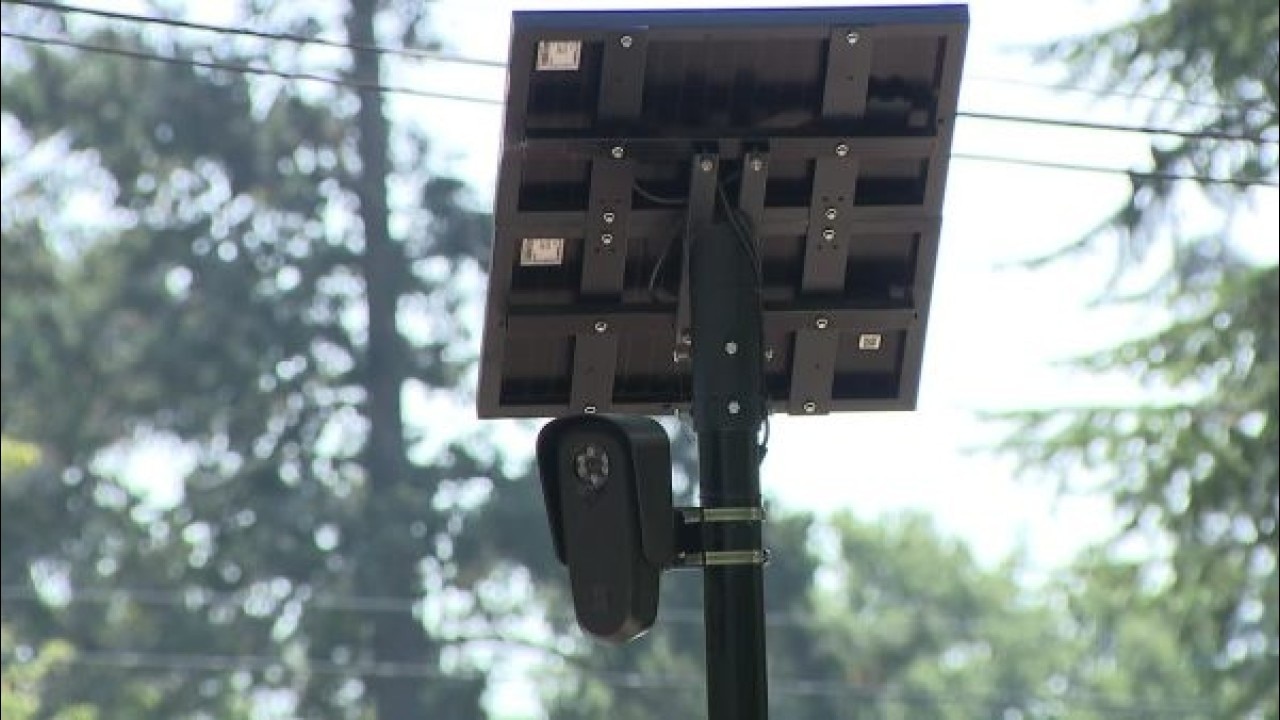
License-plate reading cameras get a harder look in Mill Valley
Mill Valley became the latest city along U.S. 101 in Marin County to adopt license plate reader technology in an effort to deter crime. But now the city is implementing new safeguards.
MILL VALLEY, California - The city of Mill Valley became the last town along North Bay Highway 101 to adopt license plate readers with the intent of deterring crime. It's been a case of live and learn with the technology in place for about a year now.
Use of license-plate readers
When the town adopted the Flock license plate readers, they vowed to use them conservatively.
The primary purpose of the cameras: protect personal safety and protect property from theft.
"These criminals, for one, obviously like to go into neighborhoods. Our community is very affluent. We're all susceptible to potential thefts," said Chief Rick Navarro of the Mill Valley Police Department.
Camera placement
Six cameras were placed on Mill Valley's three main entry and exit streets to avoid putting far more throughout the affluent town of 14,000 residents. Officials say it has been and remains a powerful tool.
"When they come into our jurisdiction, we can track any stolen vehicles that are coming into our area or if there are known burglary suspects that are driving in their vehicle with a license plate that is going to be linked to that information and our officers will be alert," said Chief Navarro.
How technology is used
Other cities have either opted into sharing information with officials nationwide or did not know it was being shared for unintended purposes, such as rounding up immigrants.
Public concern remains an issue, as seen at Mill Valley City Council a week ago. The Internal audit shows that their contract is breached.
"Surprise, surprise. Evidence keeps on showing that these contracts that cities sign all across the country are screwing over the citizens of the cities who sign them," said Mill Valley resident Justice Rosen.
Due to such concerns, the town has chosen to narrow and tighten the scope of its use and privacy policies.
Opting out
"Mill Valley has opted out of both nationwide and statewide look-up tools and conducts ongoing reviews and internal audits to confirm no unintended or improper use of our ALPR (automated license plate reader) data," said lawyer and Mill Valley Vice-Mayor Caroline Joachim.
The chief confirms that. "And so, we do not share that information on a national basis. We do not share that information with Immigration or ICE," Navarro said.
Facial recognition or AI (artificial intelligence) is not used. Keeping camera videos is now reduced from seven days to three. "So it is a sense of safety and security for our community members," said Navarro.
Only agencies within the state of California that have signed agreements to adhere to California's strict Values Act can access the data.
Featured
Mountain View turns off license plate readers because of 'unauthorized' federal use
Mountain View's police chief said Monday that the city's license plate reader cameras will be turned off until the City Council decides whether to keep them operating in the city.