

Newsom delivers final state-of-state as national ambitions loom

Newsom punches back at critics in his final State of the State speech
California Gov. Gavin Newsom delivered his final State of the State address to lawmakers in Sacramento, declaring his state a blueprint for the rest of the nation and criticizing Republican President Donald Trump.
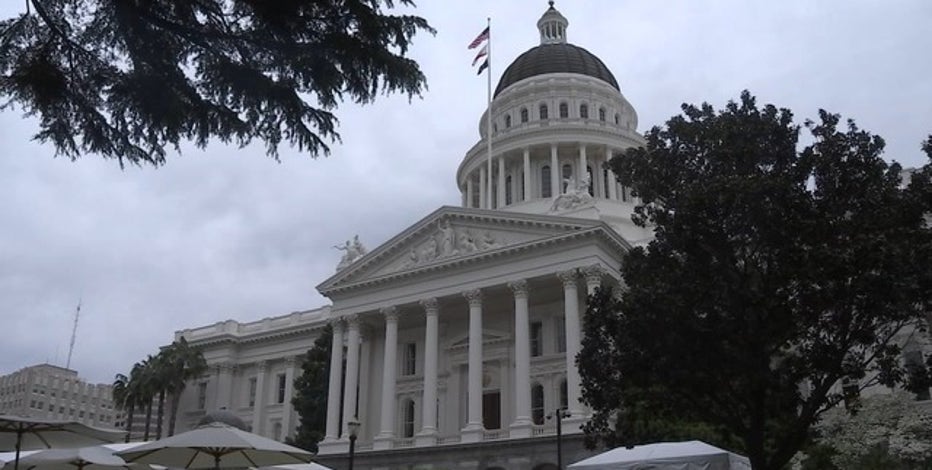
SACRAMENTO, Calif. - Gov. Gavin Newsom delivered his final State of the State address Thursday at the Capitol, one day before releasing his final budget proposal for the coming year.
The address marked the first time since the COVID-19 pandemic that the speech was delivered in person.
Drawing a contrast with Trump administration
What we know:
Newsom opened his speech by sharply contrasting what he described as California values with policies of the Trump administration, at times sounding like a campaign speech.
He touted the 52 lawsuits California has filed challenging Trump's policies.
"Mr. President, you can't cut off critical food assistance for millions of people," Newsom said. "You can't send the military into American cities without justification, and you can't cruelly and illegally cut off funding for medical research, homeland security, or disaster response. That is wrong."
Newsom touts California policy wins
Dig deeper:
Newsom went on to outline what he called key policy successes over the past year, including raising the minimum wage to $20 an hour, a 9% drop in unsheltered homelessness and reductions in statewide crime rates.
He said the state provided $267 million to 55 local law enforcement agencies and deployed crime suppression teams across several cities, including Bakersfield, San Francisco, San Bernardino, and Oakland.
"We're also supporting, with the help of the California Highway Patrol, a force that's been bolstered by the addition of 1,000 new officers," the governor said. "Here are the results. We have seen double-digit decreases in crime overall in the state of California."
Featured
List: New California laws in 2026
The new laws signed by Gov. Gavin Newsom address issues that continue to impact Californians such as consumer protections, labor and workplace rights, education, and immigration.
Newsom also said his proposed $248.3 billion budget reflects a projected $42.3 billion windfall, higher than previously anticipated.
The governor also recognized survivors of the Altadena and Pacific Palisades fires in Southern California who were seated in the gallery, underscoring the need for disaster relief, insurance reform, and rebuilding support.
In his final year in office, Newsom urged lawmakers to extend tax credits, fully fund universal transitional kindergarten, and continue efforts to reduce homelessness.
"California has never been about perfection," Newsom said. "We’re about persistence, the courage of our convictions and the strength to embody them. That’s the California way, and it lights the path for the rest of the world."
Lawmakers react along party lines
What they're saying:
Democrats gave Newsom a standing ovation, while Republicans criticized the speech as lacking substance on everyday economic concerns.
State Sen. Suzette Martinez Valladares, the Senate Republican whip who represents the Santa Clarita area, said the governor failed to address issues affecting many Californians.
"The reality is housing is out of reach. We have the highest gas prices in the nation," Martinez Valladares said. "Families are feeling that every single day."
Democratic leaders recognized significant challenges ahead, particularly as potential federal funding cuts loom.
"California will not be able to fill the holes that have been left by the federal government," said Senate President Pro Tem Monique Limón of Santa Barbara.
Assembly Speaker Robert Rivas said expected budget deficits could worsen under what he described as a "draconian approach" by the Trump administration.
"It is impacting our social safety net," Rivas said.
Is Newsom eyeing a presidential run?
Big picture view:
Newsom is term-limited and will leave office at the end of the year. He has not announced his future plans, but political analysts widely expect him to run for president in 2028.
Because of that, the speech is seen as both a reflection on his time leading California and as a preview of priorities that could shape a future national campaign.
"This is a speech that is being spoken not just to Californians — it has national resonance," said Hamline University political science professor David Schultz. "It's an important speech because he may be the first one out of the gate, so to speak, running for President of the United States. Can he start to connect with those critical voters in swing states, Pennsylvania, Michigan, Arizona, and start to articulate themes that are important to them?"