

Persian Gulf tensions drive Bay Area gas prices higher
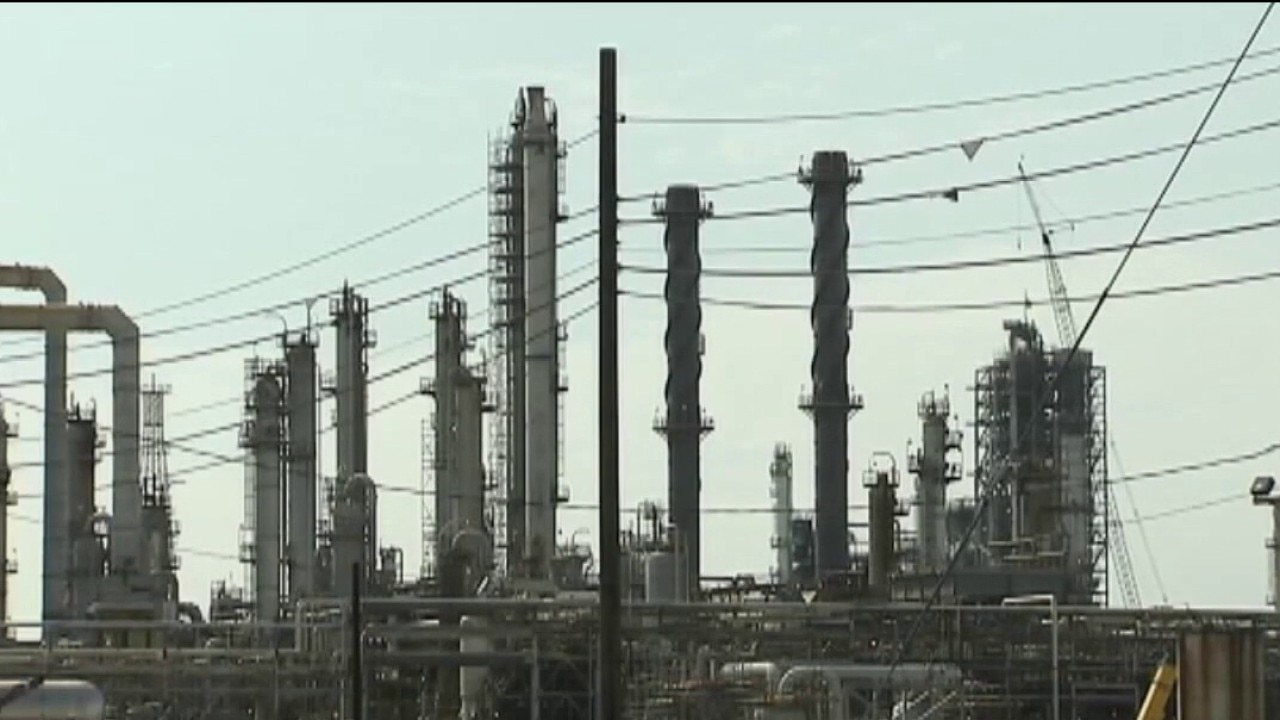
Persian Gulf tensions drive Bay Area gas prices higher
Renewed fighting in the Persian Gulf has driven gasoline prices up 10 cents nationwide over the last week, bringing the average to $3.89 per gallon across the country, $5.39 in California, and $5.46 in the Bay Area.
Oakland, Calif. - Renewed fighting in the Persian Gulf has driven gasoline prices up 10 cents nationwide over the last week, bringing the average to $3.89 per gallon across the country, $5.39 in California, and $5.46 in the Bay Area.
Renewed fighting and the price of oil
The price increases follow overnight strikes by the U.S. military against Iran and the reinstatement of a naval blockade.
President Donald Trump vowed to maintain the blockade until Iran engages in serious negotiations. In response, Iranian officials stated they will continue attacking neighboring countries and block energy exports from leaving the region.
Because petroleum products trade on a global market, local consumers will feel the impact of these international tensions.
"Regardless of how much oil the U.S. produces, if the price of crude goes way up again, due to the war and due to the limited supply, we are going to end up paying more at the pump," said Severin Borenstein, economist and professor at UC Berkeley's Haas School of Business.
Fluctuating market and peak price
Energy markets have fluctuated wildly since the outbreak of the war in late February, when crude oil instantly spiked by 13% to $82 a barrel.
Driven by supply disruptions, U.S. crude peaked past $120 a barrel in March. Prices cooled by 18% in April during a brief ceasefire, but surged back over $118 a barrel as tensions flared in May. A subsequent short-lived ceasefire dropped prices back to $75 in early July.
Since then, prices have climbed back to a range of $79 to $85 a barrel and continue to rise.
"The big unknown, of course, is whether this war is going to expand, whether Trump is going to increase aggression, in which case we might very well see the price of crude oil go way back up again," Borenstein said.
Butting heads
President Trump defended his administration's approach, stating, "The only way you can negotiate with these people is through strength, and the only strength is military strength. And that's what we've done."
However, Iranian Deputy Foreign Minister Kazem Gharibabadi countered that the U.S. was responsible for breaking prior diplomatic agreements. "It was the US that destroyed the memorandum of understanding," Gharibabadi said. "The fact that they want Iran to return is a request that will not be fulfilled."
Dwindling supply
Consumers should expect fuel prices to remain elevated or worsen due to a dwindling supply of easily accessible oil. According to the International Energy Agency, member countries have already released most of the 400-million-barrel emergency stockpile announced in March to keep prices stable, but those emergency supplies are expected to run out within a week.
Procuring other inventories of available petroleum will be significantly more expensive. Borenstein noted that while global inventories exist to last for years, accessibility remains a challenge.
"Now that doesn't mean we can get to all of it and some of it is owned by China. But it does mean that we aren't going to run out of oil anytime in the next few months if the war does continue, and if that happens, gasoline prices will rise," Borenstein said.
Possible price gouging
State Sen. Josh Becker, who represents the Peninsula, argues that oil company greed is also contributing to the pain at the pump. Becker has proposed legislation to outlaw price gouging during military conflicts, provided the governor declares an emergency. Under current law, governors can only declare such emergencies during natural disasters.
"Next time there's a conflict like this, the governor can declare a state of emergency as long as there's a nexus to what's going on, and then the attorney general can prosecute," Becker said.
For now, the rules of supply and demand remain in control, and local drivers are left paying the price.