

San Francisco Immigration Court halts hearings ahead of closure
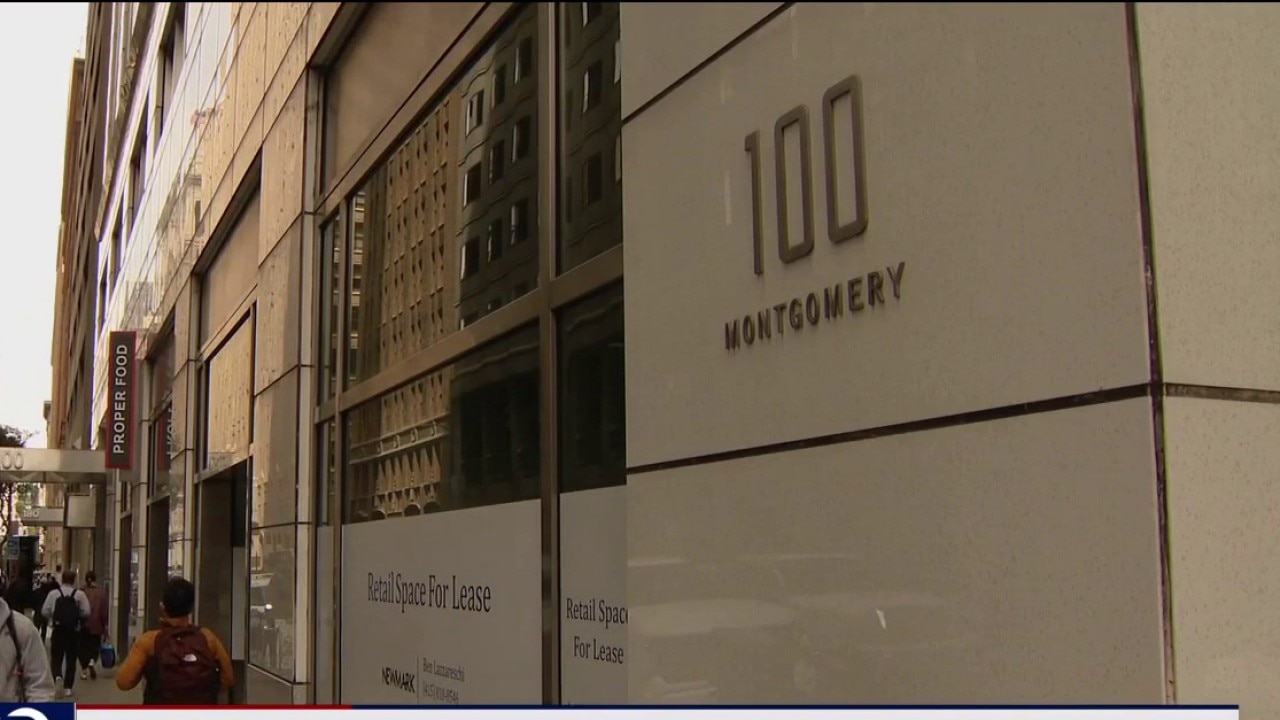
SF Immigration Court closing down early
Immigration court at 100 Montgomery in San Francisco saw its last case Friday. Operations will wind down until the offices close in September.
SAN FRANCISCO - One of San Francisco’s immigration courtrooms has stopped holding hearings months ahead of its scheduled closure, as cases are reassigned and a growing backlog strains the system.
Early closure and reassignment
What we know:
The final day for hearings at the immigration courts at 100 Montgomery St. was Friday, with judges already reassigned to other locations.
The Department of Justice announced last week that the Executive Office for Immigration Review plans to close the courts permanently on Sept. 4. However, no new cases can be filed at the Montgomery Street location, and no additional hearings will be held there.

Judge halts Trump plan to end protections for Yemeni refugees days before deadline
A federal judge in Manhattan on Friday blocked the Trump administration from ending Temporary Protected Status (TPS) for roughly 3,000 Yemeni refugees.
Backlog concerns
Dig deeper:
Former immigration Judge Jeremiah Johnson said the closure will further burden an already overwhelmed system.
"According to TRAC, it’s a 118,000 [case] backlog in San Francisco," Johnson said.
Cases previously scheduled at the Montgomery Street courthouse will be moved, with some reassigned to a Sansome Street facility. Most, however, will be transferred to an immigration court in Concord, which already has about 60,000 pending cases.

San Francisco immigration court building to close
The San Francisco immigration court building on Montgomery Street is set to close in January 2027.
Delays and uncertainty
The shift is expected to cause significant delays, leaving many immigrants waiting months or years for their cases to be heard.
"These are people who have pending asylum cases, pending green card applications, pending cancellation of removal cases, pending cases of whether the person should even be removed," said Johnson. "The system is crumbling, somewhat, perhaps by design."
Nationwide impact
Big picture view:
While operations at the Montgomery Street site are winding down, the offices will remain open until Sept. 4.
Former immigration judges are urging the administration to consider rehiring judges to help address the nationwide backlog, which is estimated at about 4 million cases.