

Trump Forest Service overhaul raises concerns about California wildfire research
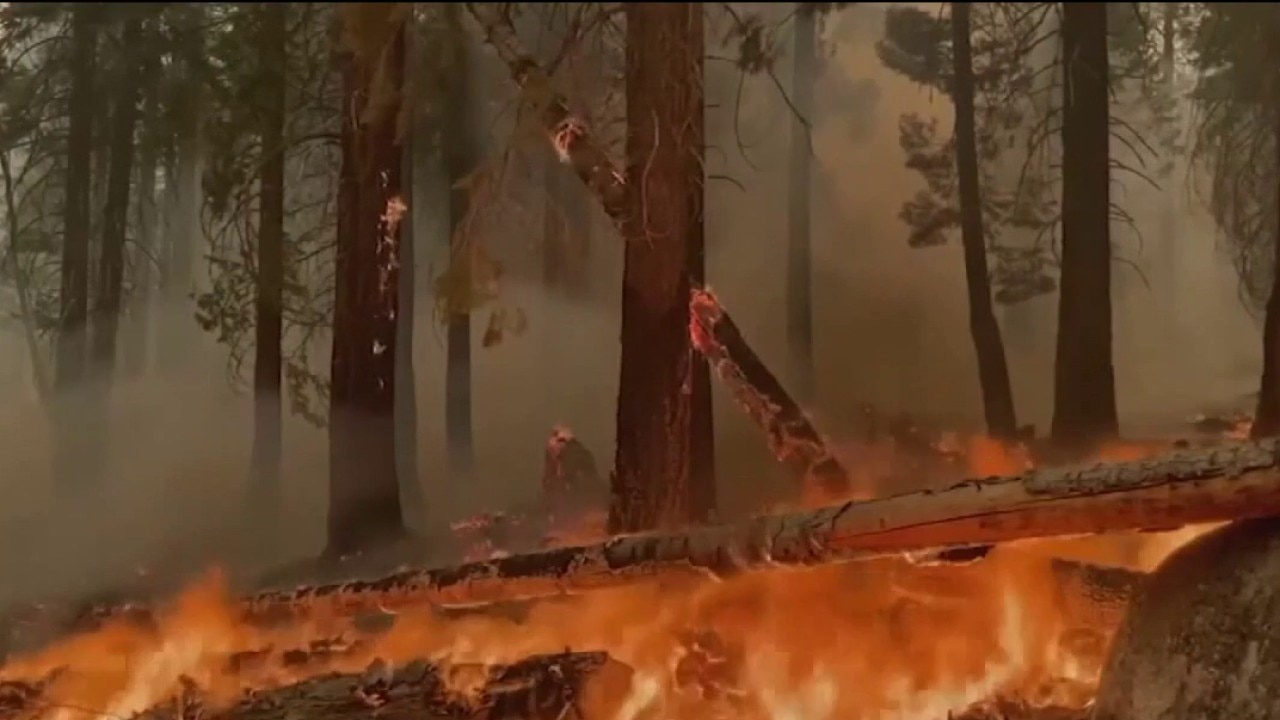
US Forest Service to cut several California research stations
The Trump administration is undertaking a major reorganization of the U.S. Forest Service.
VACAVILLE, Calif. - A major reorganization of the U.S. Forest Service is raising concerns about potential impacts to wildfire research and preparedness as California heads into peak fire season.
The Trump administration’s plan includes closing research facilities in multiple states, including a site in Vacaville, prompting fears from scientists about how the changes could affect wildfire prevention and response efforts.
Fire preparedness efforts underway
Big picture view:
As fire season approaches, Cal Fire officials say they are focused on readiness, including testing alert systems designed to warn the public.
"Preparing as we do this time of year, getting ready for fire season, one of those things we do is start practicing with our alerting platforms to get the public ready as well," said Cal Fire Battalion Chief Tyler Mortenson.
Officials are reviewing the use of "Genesis Protect," an app-based system that notifies residents of potential threats.
Mortenson underlined that quickly sharing information with the public remains critical as fires can spread rapidly.
Featured
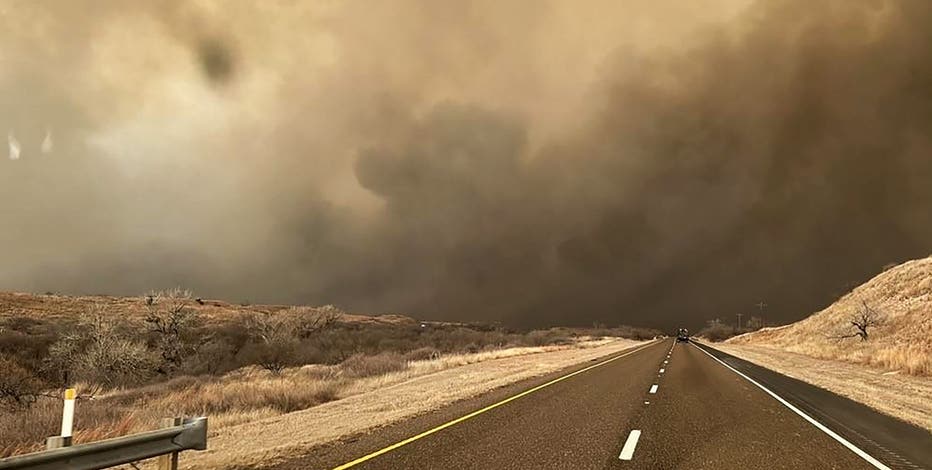
Wildfire smoke pollution linked to more than 24K deaths a year, study finds
Chronic exposure to pollution from wildfires has been linked to tens of thousands of deaths annually in the United States, according to a new study.
Research cuts spark concern
Dig deeper:
The U.S. Forest Service manages about 193 million acres of public land nationwide. As part of the reorganization, the agency plans to relocate its headquarters from Washington, D.C., to Salt Lake City, reduce management layers and significantly scale back its research footprint.
The plan calls for closing 57 of the agency’s 77 research offices across 31 states, including six of eight facilities in California.
Chris French, the agency’s associate chief, said the changes are driven by budget constraints.
"We’re kind of on a fiscal cliff when it comes to maintaining our facilities," French said. "The amounts we’re paying in rents and leases on our facilities later this year will exceed the total amount of money we have for that and for maintaining our facilities."
However, some researchers warn the cuts could have long-term consequences.
"I’m very surprised by this. This is going to have big impacts on research on wildfires and forest resilience across the country," said Dr. Craig Clements, who heads San Jose State University’s Wildfire Interdisciplinary Research Center.
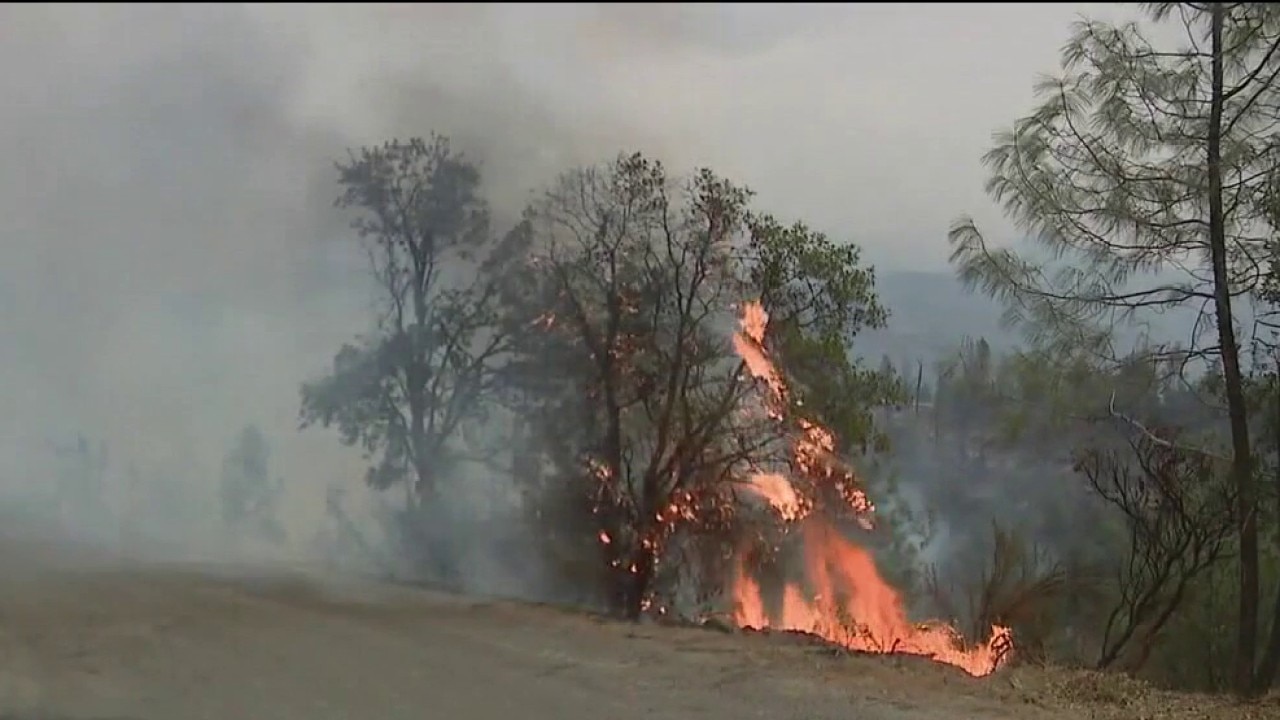
Improving California's wildfire resilience
A new report is offering various options to lawmakers to rein in costs and liability across California, to address the increasing risk of massive wildfires amid climate change and other risk factors.
Clements said reducing research capacity could hinder efforts to better understand fire behavior and improve risk assessment.
"We really have to have a better idea to improve our risk assessment," he said.
French said the agency intends to prioritize funding for science despite reducing physical locations.
"If we’re saying we’re going to have fewer facilities, that doesn’t mean we’re stopping the science," he said. "What we’re trying to do is not spend money on facilities that we can't maintain, so we can put more money into science, and one of those primary areas is wildland fire research."
Officials: No immediate impact to fire response
What they're saying:
Cal Fire officials said they do not expect the federal changes to directly impact firefighting operations in the near term.
Still, researchers and fire officials alike stress that preparation, from public alerts to scientific study, remains essential as wildfire risks continue to grow.
The Source: Cal Fire, San Jose State University’s Wildfire Interdisciplinary Research Center