

Voter Apathy: new study lists reasons as June 2 primary nears
Californians give reasons for voter apathy in June 2 primary
Lack of information, concern about the influence of special interests, and feeling your vote doesn't matter, are some of the top reasons Californians say they do not plan to vote in the June 2 primary, according to a study released by UC Berkeley's Institute of Governmental Studies on Friday.
OAKLAND, Calif. -
A new study seeks to uncover the reasons behind voter apathy, as early voting is set to begin within days for the June 2 California primary.
Primary elections typically get lower turnout than general elections, but this election has big races on the June ballot, including the California governor's office and an East Bay Congressional seat.
Voter apathy
The statewide study conducted by the UC Berkeley Institute of Governmental Studies was done online in English, Spanish, Chinese, Vietnamese, and Korean involving 5,962 California voters, and provides some insight into reasons behind voter apathy.
Among unlikely voters, asked why they don't plan to cast a ballot:
- 38% a lack of information about issues/candidates
- 35% concerned about special interest influence
- 28% feel their vote doesn't matter
- 26% believe election results can be manipulated and can't be trusted
- 20% don't like the candidates
Young voters 18-29 have particular concerns
The study showed 31% of 18- to 29-year-olds said they likely wouldn't vote because they are too busy.
"I think there's much to do with educating the populace just about how important elections are. And how, really, just even a few votes can drive shifts in significant ways," Cristina Mora, Co-director of the UC Berkeley Institute of Governmental Studies, said.
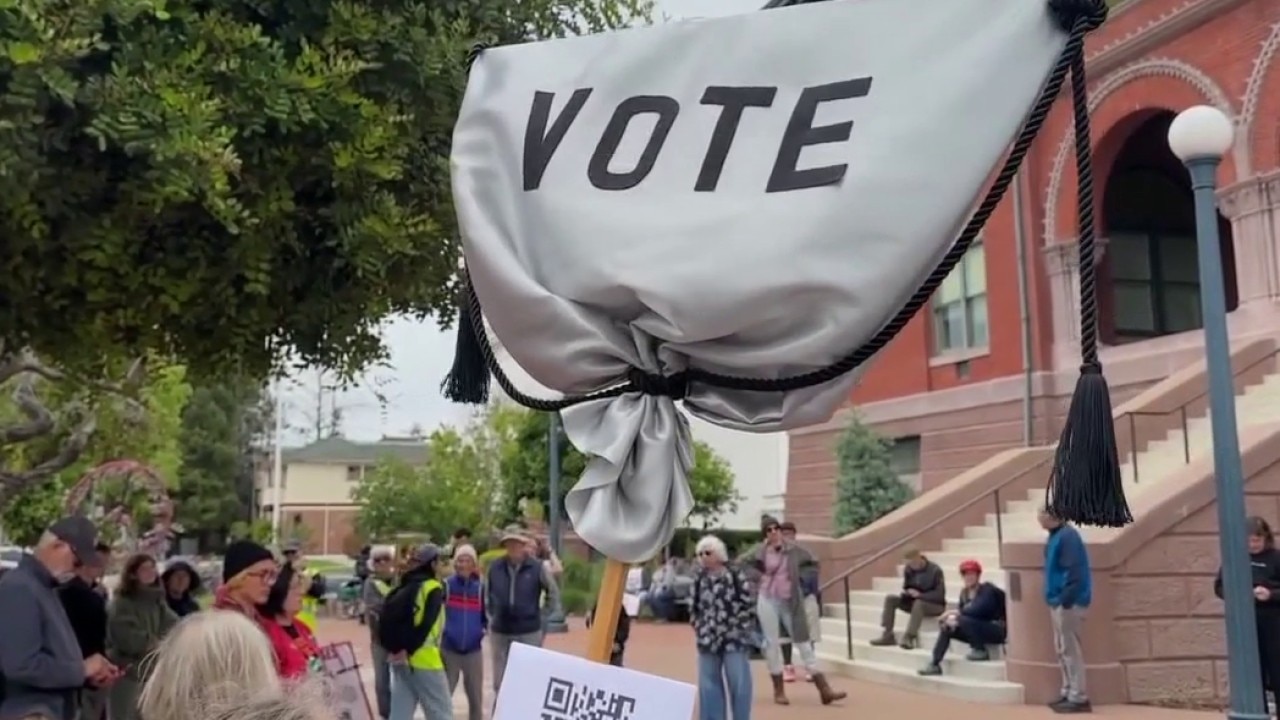
At a May Day march in Alameda on Friday, some people carried signs urging people to get to the ballot box and cast a vote.
"If we don't vote, we're not going to inspire the movement towards democracy," said Alameda resident Shalom Bruhn, who marched with a banner reading reading "Vote." "Democracy is a verb. You have to be active."
The survey showed 48% of young voters said they would be more likely to vote if they had a trusted source of election news. Researchers say that the younger demographic often relies on social media, and that is one big area for improvement and voter outreach.
"I'm in my 30s... a lot of us are on social media," Mel Donahue of Oakland said. "So you got to push out to the younger generation because that's where we're at."
"One of the things the poll documents is younger people are more skeptical," Matt Barreto, Faculty Director of the UCLA Voting Rights Project, said. "They're more concerned about outside influences... and more susceptible because they are more centered on social media as their primary source."
Data and voting information
Candidates have one month to reach out to voters, but counties begin sending out vote-by-mail ballots on Monday, May 4.
For a link to the UC Berkeley IGS study, click here.
Voter information: For a link to get information about the June 2 primary and where to vote click here.
The Source: UC Berkeley Institute of Government Studies