

From avalanche threat to flood concerns: Tahoe faces rapid warmup and rain
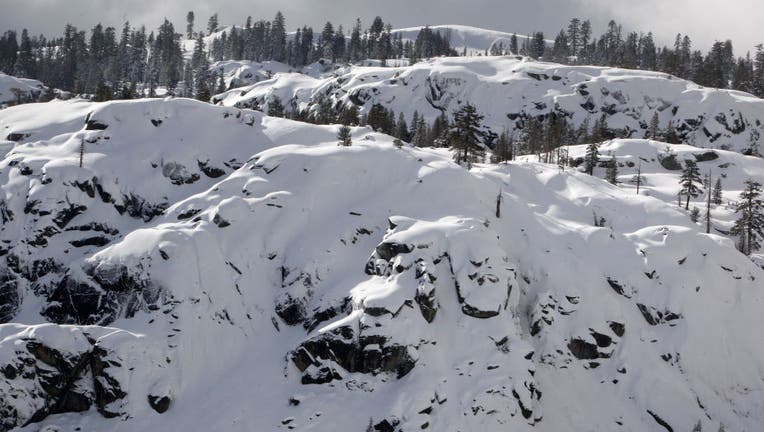
Donner Summit, on Wednesday December 30, 2009, covered in a fresh layer of snow. (Photo By Michael Macor/The San Francisco Chronicle via Getty Images)
LAKE TAHOE, Calif. - After a week of heavy snowfall and a deadly avalanche in the greater Lake Tahoe region, the focus is now shifting from snow accumulation to what happens next.
A warmer air mass will begin moving into the Sierra starting Sunday, with temperatures climbing into the 50s by Monday at many mountain communities.
While that may sound like a welcome break from the cold, it introduces a new set of concerns.
Rapid Snowmelt Begins
Upper elevations received significant snowfall during the recent storm cycle, building a deep snowpack across the Sierra.
As temperatures rise, that snow will begin melting more quickly.
Even before rain arrives, snowmelt alone can:
- Increase runoff into creeks and streams
- Cause ponds to form in low-lying neighborhoods
- Stress roofs under heavy, water-laden snow
- Saturate hillsides
This transition period is critical.
Rain-on-Snow Event Tuesday
Rain is expected to move into the Tahoe Basin on Tuesday. When rain falls on an existing snowpack – especially during a warm-up – it accelerates melting dramatically.
Meteorologists refer to this as a "rain-on-snow event."
That combination can:
- Overwhelm storm drains
- Cause localized street flooding
- Raise water levels in creeks
- Create slushy, hazardous road conditions
- Increase the risk of debris flow near vulnerable slopes
Communities including South Lake Tahoe, Truckee, Incline Village and other low-lying mountain neighborhoods should stay alert.
Clear the Drains Now
One of the biggest preventable problems during Sierra warmups is blocked drainage.
Snow and ice often cover or clog storm drains, leaving meltwater and rain with nowhere to go.
Residents are encouraged to:
- Clear snow and ice away from storm drains
- Create small channels to help water flow
- Check driveways and sidewalks for ice buildup
Even clearing a single drain can help protect an entire street from flooding.
Avalanche Danger Still Evolving
Although the avalanche warning has expired, warming temperatures and incoming rain can increase the risk of wet-snow avalanches at higher elevations.
Backcountry travelers should continue checking local avalanche forecasts and use extreme caution.
The bottom line:
The avalanche warning may be over, but the risk is evolving. Warmer temperatures and rain will destabilize the snowpack again, shifting concerns from dry slides to avalanches and runoff.
Preparation now could prevent flooding and travel problems early this week.
The Source: Original reporting by Roberta Gonzales