

Mount Diablo faces oil drilling threat as part of Trump administration's aggressive energy push
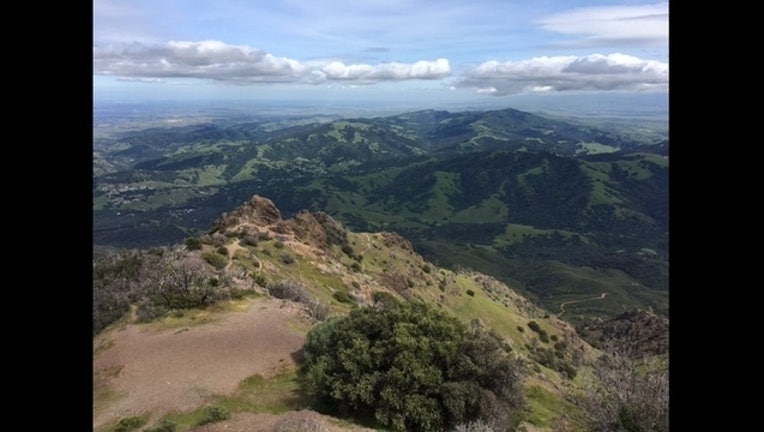
Photo: Ellen Ellery
WALNUT CREEK, Calif. - Mount Diablo State Park and other popular public spaces around the Bay Area and around California are being targeted as part of a proposal by the Trump administration to open up land for oil and gas drilling.
The Bureau of Land Management (BLM) is proposing oil and gas leasing and development on more than 1 million acres of public land in California, including areas adjacent to, and in some cases possibly inside, parks like Mount Diablo in Contra Costa County.
"You have, literally, some of the most important peaks in the state park being proposed as part of this effort to open up lands to oil and gas leasing," said Juan Pablo Galvan, senior land use manager with the preservation group Save Mount Diablo.
Other public lands in the Bay Area that could be affected include Black Diamond Mines Regional Preserve, also in Contra Costa County, as well as Henry W. Coe State Park in the South Bay. Farther south, Pinnacles National State Park in San Benito and Monterey counties could also be affected.
Last week, the BLM closed its public comment period on its Draft Supplemental Environmental Impact Statement (SEIS) for the proposed project, with tens of thousands of people expressing their opposition through a petition demanding that public lands in the Diablo Range be protected from oil and gas drilling.
Federal control in state parks?
Dig deeper:
While the federal government does not own many of these public spaces, it does control the subsurface mineral rights, under what’s known as split estates.
"So the BLM, in some cases, has subsurface mineral rights—at least they think they do—to properties that are within existing protected areas, like Mount Diablo State Park, like Black Diamond Mines, Regional Preserve, and like Henry W. Coe State Park, and a lot of land around Pinnacles National Park," explained Galvan.
KTVU reached out to California State Parks for a statement on the issue. The agency said, "California State Parks is still reviewing the proposal," as it referred us to recent press releases from the Governor’s Office highlighting the stark contrast between the state’s approach to public lands and the Trump administration's.
As part of the BLM's public comment period, the environmental non-profit Center for Biological Diversity last week urged the federal agency to amend its oil and gas drilling plan in California.
"The actions would run afoul of a slew of federal laws, including the National Environmental Policy Act, Clean Air Act, Clean Water Act, Endangered Species Act, and Federal Land Policy and Management Act," the center said in a news release on Tuesday.
The backstory:
The group previously filed a lawsuit against the federal government during Donald Trump's first term when his administration attempted a similar drilling plan in 2019.
As part of the center's legal action, settlements were reached requiring new oil and gas leasing on public lands be suspended until the BLM could produce new environmental reviews "that sufficiently evaluate the impacts of oil and gas development, including fracking," the non-profit explained in a news release earlier this year.
The Center for Biological Diversity said that the documents in the updated environmental analysis "are still inadequate."
Galvan said the BLM’s latest proposal denies any of the detrimental effects of drilling.
"What they've basically said is there are no impacts to anything anywhere, or anyone," he said. "And that's just not true. And a lot has changed since 2019 in terms of what we know about the harmful impacts of oil and gas, exploration and exploitation. Not to mention the obviously devastating impacts of the reality of climate change," the senior land use manager added.
Opponents also argue that California has made strides in its efforts to protect the state from drilling and fracking and their dangerous effects, and the federal government’s proposal would undermine those efforts.
"This is a project that was given the green light without any sort of regard to the absence or presence of these resources, and the fact that so much public money, time, effort has gone into protecting a lot of these places that the feds are considering opening up to oil and gas leasing," Galvan said.
SEE ALSO: Warning to stay away from elephant seals after bird flu detected at Año Nuevo State Park
He also questioned the presence of oil and gas mineral resources at sites near and around Mount Diablo.
"It's extremely unlikely that these resources that they're looking for, oil and gas are even there, so it's just a huge waste and foolish to even propose something like this by the federal government," Galvan argued.
Public health concerns
The drilling proposal is also prompting serious concerns about air quality and public health.
Last week, the city of Berkeley issued a resolution opposing the Trump administration’s plan, saying it poses a threat not only to its residents but also to communities across the Bay Area.
"Oil and gas extraction and fracking operations release volatile organic compounds, particulate matter, and hazardous air pollutants that degrade regional air quality and endanger public health, particularly for vulnerable populations including children, elderly residents, and those with respiratory conditions," the city wrote in its resolution.
The other side:
The BLM said its findings determined that air and water quality would be minimally impacted.
"The Draft Supplemental Environmental Impact Statement (DSEIS) concludes that emissions from oil and gas development are minor and are not expected to significantly impact regional air quality or public health," the agency said in its report.
The BLM said its findings showed oil and gas development uses a small fraction of regional water supplies.
"Impacts on water resources are also minimal, with no new risks identified for groundwater or surface water," the report said, adding that actions should be in coordination with state agencies to ensure ongoing adherence to water quality standards.
The bureau also addressed concerns about wildlife that would be affected by drilling.
"The effects on newly listed wildlife species are minimal, though site-specific reviews and the application of best management practices will be required," the agency said in its report.
Visitors' experience
For many in the Bay Area, access to public and open land like Mount Diablo provides a treasured escape for recreational activities.
Visitors’ experience and access to these sites would presumably be vastly affected, especially if huge oil derricks for drilling were brought in.
Galvan said that these open spaces are vital and valuable public resources for communities.
"They're really precious to a lot of people, and the thought of opening up these very special lands to this damaging activity is pretty nuts, especially when you look at the maps and realize most of this area, there's just nothing there," he said, noting the political motivations likely to fold into the arguments for drilling since last month’s start of the war in Iran has led to skyrocketing oil prices.
The Bureau of Land Management said the distribution of any new oil and gas taken out of the ground as part of the proposal would be handled outside its authority.
"Once sold, oil and gas produced from federally administered properties enter commercial markets and are subsequently distributed through normal market forces, which operate beyond the regulatory authority and oversight of the BLM," the agency's Central Coast Field Office shared with KTVU.
The Center for Biological Diversity and other groups have vowed to continue its fight against the federal government's drilling plans.
"Trump aims to turn some of the Golden State’s pristine public lands over to Big Oil," staff attorney Cooper Kass said, "but Californians are fighting back."
The BLM is expected to release a final decision on the plan over the summer.
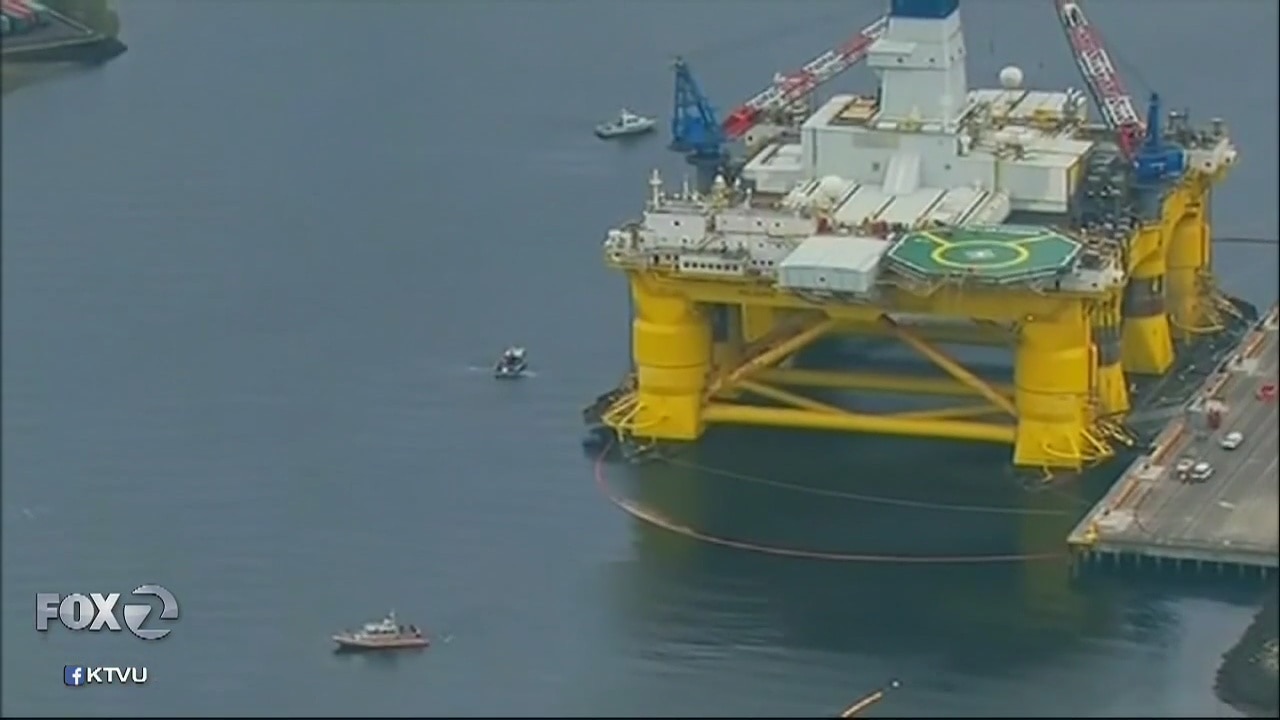
California vows to fight Trump plan for offshore drilling
California Gov. Jerry Brown and other West Coast governors say the Trump administration's opening of federal waters to offshore drilling is "reckless and short-sighted."