

New ferries coming to both Bay Area ferry systems for fun, commuting, and disasters

New Bay Area ferry fleets are coming, will remain dependable in disasters
The Golden Gate Ferry has approved spending $118 million to replace its aging fleet. The cash is coming from a mix of federal, state and district funding. KTVUs Tom Vacar reports from the Larkspur Ferry Terminal, where a steady flow of new, state-of-the art ferries will be coming and going.
LARKSPUR, Calif. - While mass transit continues to recover from pre-pandemic days, the aging of buses, trains and ferries is looking up as newer equipment hits the road, rails and waves. The freeways are not free of more vehicles, while ferries face little traffic even as terrestrial transit peaks.
New vessels are coming
Golden Gate Ferry's fleet are approaching the end of their useful, reliable lives. So, a succession of new boats is coming.
"It's a new, modern vessel designed for the Golden Gate Ferry that will replace the entire fleet. One vessel every year between 2027 and 2033 as part of a full fleet replacement," said Golden Gate Ferry Public Information Officer Paolo Cosulich-Schwartz.
These coming high-tech, high-speed, ultra-low emission catamarans will replace the big single-hull ferries and the current catamarans that riders are already in love with.
"Already an amazing view off of the boat and so I think there's actually a chance to really improve the ride experience as well. It's hard to think of a better way to commute," said ferry rider Jason Dunne.
Rider Merideth Grierson lives in San Francisco. "A lot of my friends moved to Marin County, I can visit them from the city easily. Also, if you don't have a car, it's a great peaceful way to travel," said Grierson,
SF Bay Ferry's clean fleet
The SF Bay Ferry system has added 11 new ferries in the last nine years, the cleanest ferries in the nation. Five new all-electric, zero emission ferries are coming to serve current and new terminals for Mission Bay and Treasure Island.
SF Bay Ferry is run by the Water Emergency Transit Authority, whose very reason for being is emergency disaster service, especially earthquakes.
"We have all these ferries and all these terminals for that expressed purpose and so, we moonlight as a ferry operator. We have all the ferries around and we need to keep them in good operating condition and the crews working and trained. And so, we do operate ferries 362 days a year to that effect," said Thomas Hall, SF Bay Ferry's Public Information Officer.
Golden Gate Ferry is involved in this mission as well.
"Ferries provide emergency services for first responders, whether regional, state, federal, to respond, get across the bay, move emergency supplies," said Cosulich-Schwartz.
Riders are glad to know it.
"I think it's really critical. I've found there are times when BART is not running or even Caltrain has to pause for a moment in any set of scenarios, whether an emergency or just day to day. To have lots of different opportunities for people to find a way across the Bay Area," said Dunne.
"There used to be ferries to Berkeley from the city which they brought back after the '89 earthquake, and they should do that again," said Grierson, Golden Gate Ferry rider.
Between Golden Gate and SF Bay Ferry, they make 238 trips every weekday and carried more than 4 million passengers last year with plenty of room for more.
Featured
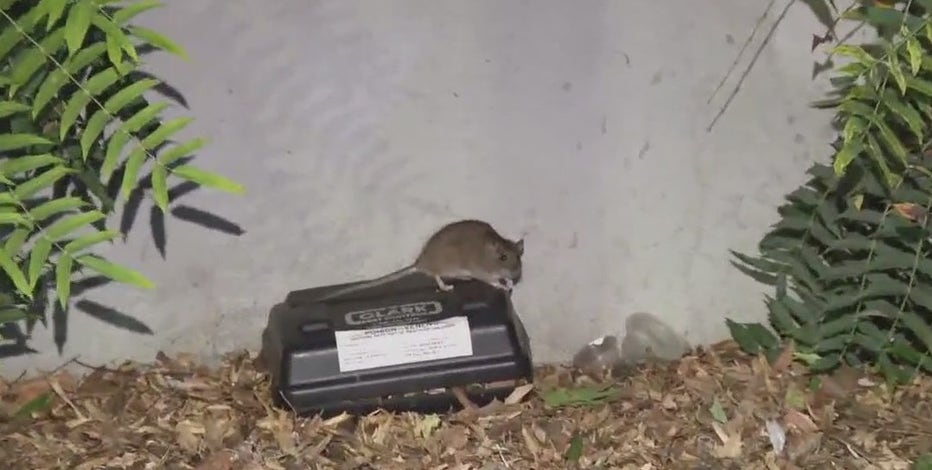
Rat infestation plagues Vallejo ferry terminal
Those who work in and frequent the area told KTVU that the infestation at the ferry building at 289 Mare Island Way has worsened in the past two weeks.