

Rattlesnakes spotted in San Jose's Alum Rock Park as heat wave hits
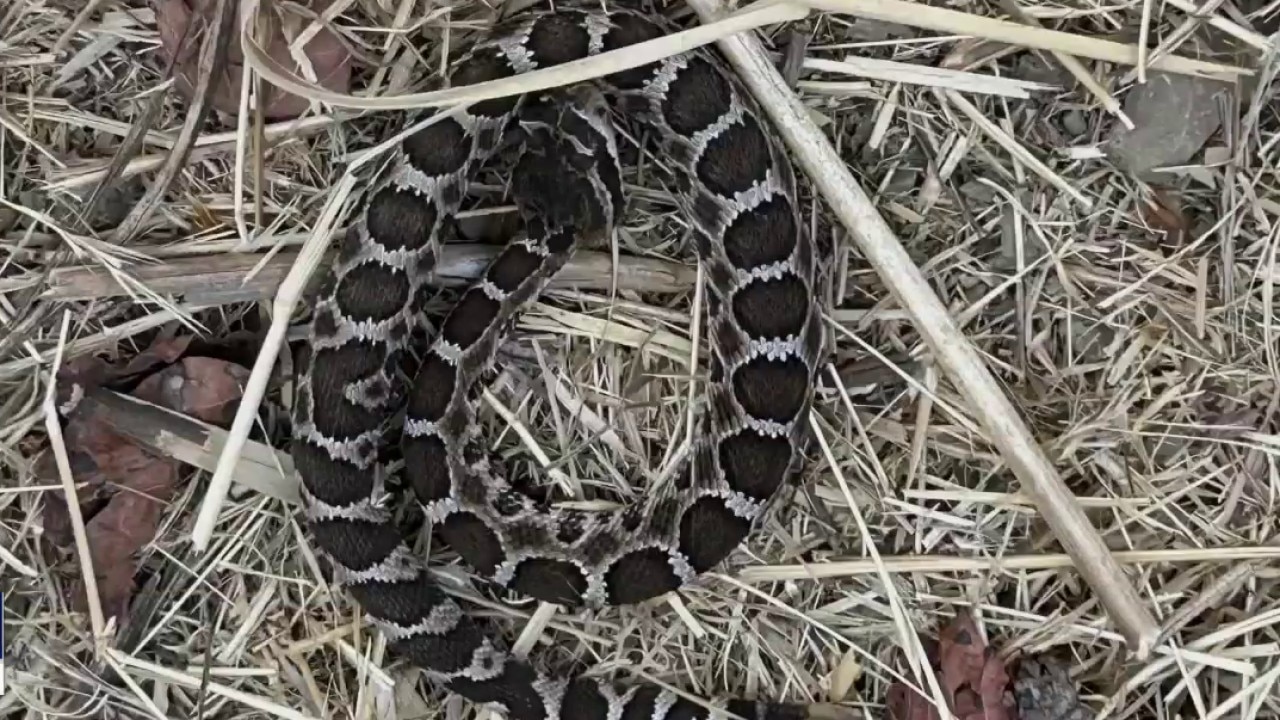
Heat brings out the rattlesnakes
Hikers are being warned that in addition to the threat of heat, they should be on the lookout for rattlesnakes, which have are emerging to bask in the unusually warm temperatures. The weather conditions are ideal for the venomous reptiles.
SAN JOSE, Calif. - A heat wave is bearing down on the Bay Area this week, and as people head outdoors to enjoy the sunshine, park rangers in Alum Rock Park are warning visitors to be on the lookout for rattlesnakes.
The unusually high March temperatures are bringing out a familiar South Bay resident: the Northern Pacific Rattlesnake.
"Whenever there is increased heat, especially above 85, we do tend to notice rattlesnakes coming out in the sun, being cold-blooded...They are just essentially basking, lazing, regaining that heat that their body does not produce, unlike us," Jordan Snelgrove, Park Ranger for the City of San Jose told KTVU.
Steven Bocciardi hikes Alum Rock Park regularly. He's seen a few snakes along the trail since temperatures soared.
"Two live ones, one today and one yesterday, and then three dead ones today," Bocciardi said.
Park rangers are warning visitors to keep an eye out for the rattlers.
"It's just a case of being aware of your surroundings. Stay on your marked trails, they do have better visibility," Snelgrove said.
Experts tell us it's not just the daytime heat that's making a difference; it's also the warm nights.
Dig deeper:
Emily Taylor, PhD, has studied snakes for 30 years. She's a leading expert on the Northern Pacific Rattlesnake.
"This time of year is really when they're all waking up from their winter sleep. And like you said, because we've had some unusually warm temperatures lately, especially our nighttime lows staying pretty high, that's causing them to all kind of come start looking for mates and looking for food," Taylor said.
She also says snakes get a bad rap from humans, as many people are afraid of them.
"Rattlesnakes want nothing to do with us. They don't want to bite your dog. They don't want to bite you. But the consequences of a bite are very high because rattlesnakes have very dangerous venom," Taylor said.
Snelgrove also warned that baby rattlesnakes can be the most dangerous, and not just because of how much venom they release.
"The main risk with baby snakes is that, up until about a year old, they don't have a rattle. Whereas adult rattlesnakes will warn, and if you can't see them, you can at least hear them. With baby rattlesnakes, they will shake their tail, but nothing happens. So as a result, you don't actually hear them," Snelgrove told KTVU.
To avoid that scenario, park rangers say stick to the trail. And if you see a snake, leave it alone.
"That's the same with any of our wildlife. We ask that people not disturb, because we are visiting their home, rather than vice versa," Snelgrove said.