

Sick marine mammals are coming ashore along California's coast at alarming rate
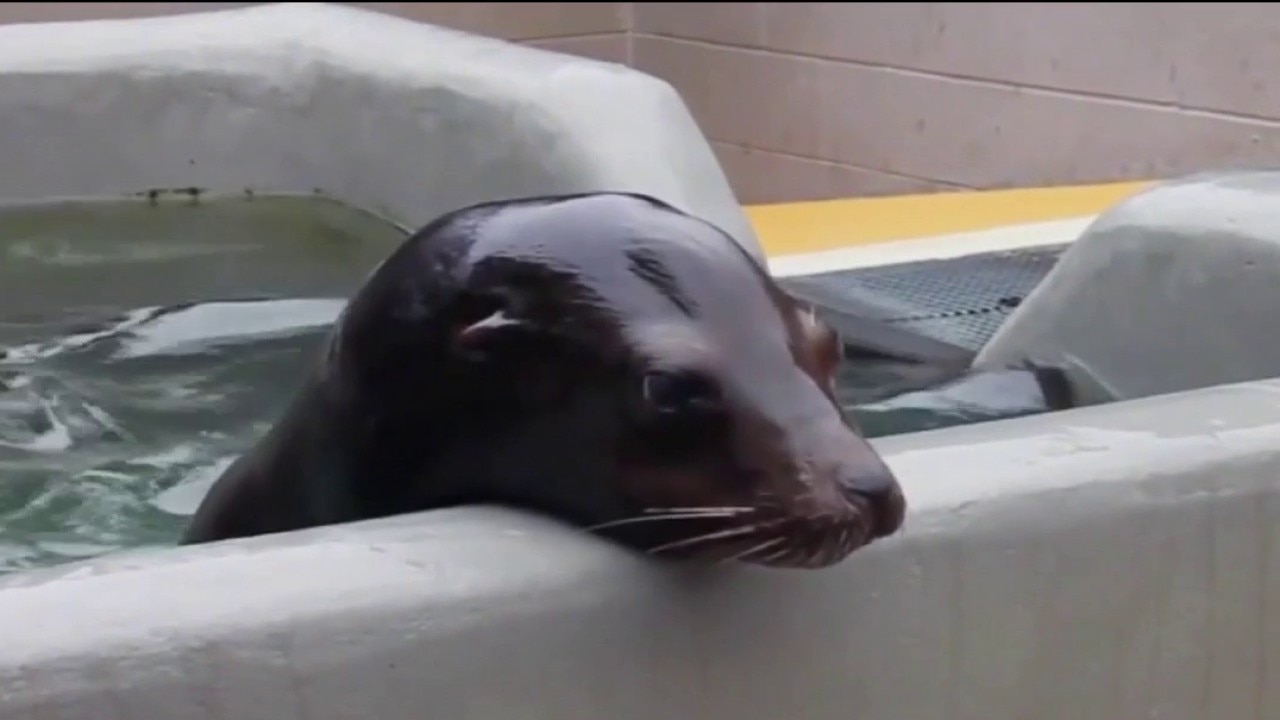
Sick marine mammals are washing ashore along Californias coast at alarming rate
A surge of severely ill sea lions and fur seals is coming ashore in alarmingly high numbers across the California coast, forcing rescue crews to triage their responses to handle the overload. What We Know
SAUSALITO, Calif. - A surge of severely ill sea lions and fur seals is coming ashore in alarmingly high numbers across the California coast, forcing rescue crews to triage their responses to handle the overload.
What we know:
The Marine Mammal Center in Sausalito is handling a massive influx of reports across its 600-mile territory. Response hotlines are seeing between 200 and 650 calls a day, according to Katie D’Innocenzo, information officer for the center. Time is critical for these animals, as treatment with clean fish and fluids can lead to recovery if teams reach them in time; otherwise, the condition is fatal.
The crisis stems from a combination of environmental factors and food chain contamination. Warmer ocean temperatures, exacerbated by a record El Niño, have created an ideal environment for toxic-prone algae blooms. As the algae ages, it sloughs off pieces that sink to the seafloor where bottom-dwelling fish consume them. Marine mammals that eat enough contaminated fish suffer severe neurological issues.
Toxin to blame
The toxin behind the illness, domoic acid, is the same substance that severely damaged or ruined Dungeness crab seasons in 2014, 2015, 2016, 2017, 2024, and 2025. Because bottom-dwelling Dungeness crabs feed on the same algae debris, concerns are growing about the potential impact on the upcoming commercial season.
What about crab season?
While state testing has not yet detected domoic acid in crabs, local fishermen are worried. Crabber Kevin Padilla noted that sick seals ahead of the season are a concerning sign, as warmer waters and toxic algae have delayed harvests in prior years. State officials will conduct formal testing on crabs just before the season opens in November.