

California Energy Commission passes new tire efficiency rules to boost fuel economy
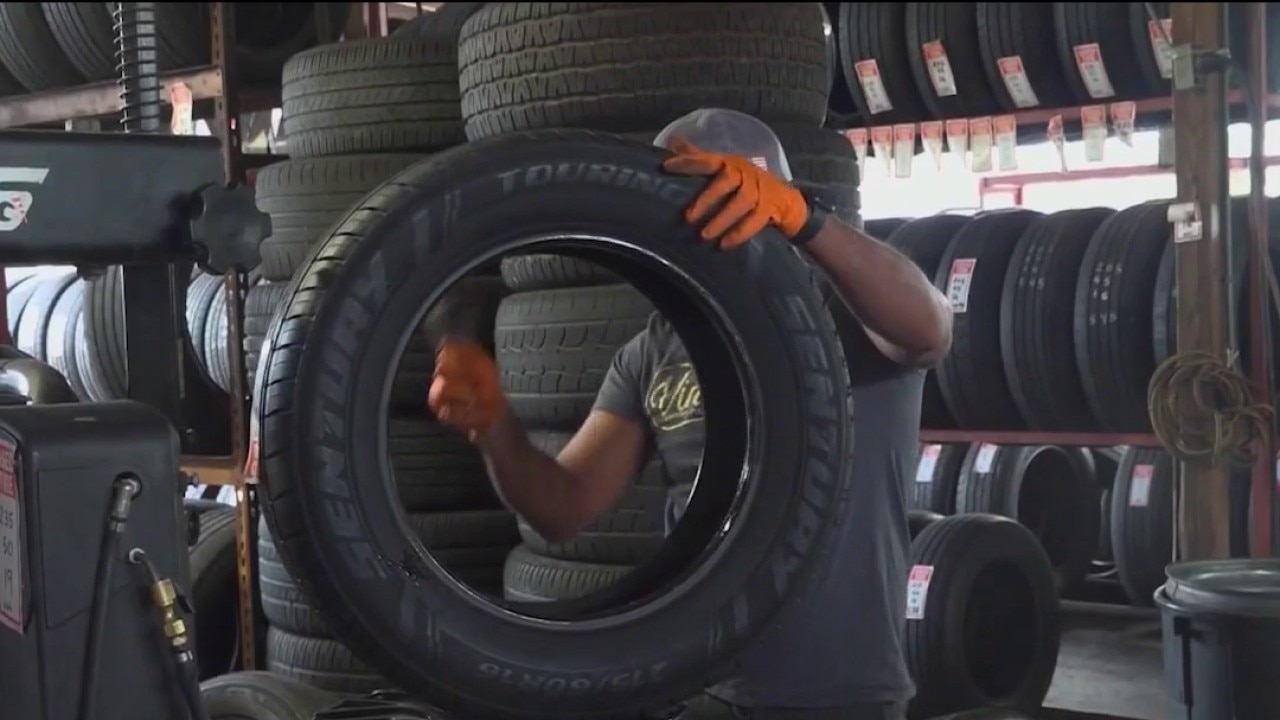
State regulators approve new tire replacement rules to boost fuel economy
The California Energy Commission (CEC) passed new replacement tire regulations targeting rolling resistance to increase gas and electric vehicle range. Industry leaders warn the rules will phase out about 70% of current tires, significantly raising upfront costs for drivers.
SACRAMENTO, Calif. - The California Energy Commission (CEC) passed new replacement tire regulations targeting rolling resistance to increase gas and electric vehicle range.
New rules
What we know:
Industry leaders warn the rules will phase out about 70% of current tires, significantly raising upfront costs for drivers.
State regulators contend fuel and electricity savings will offset the higher purchase price of energy-efficient tires over time.
With gas and electricity prices continuing to strain household budgets, new California regulations aimed at improving tire efficiency promise drivers better mileage and range. However, local business owners and tire manufacturers are asking at what cost to consumers.
The California Energy Commission (CEC) passed new regulations designed to lessen rolling resistance in replacement tires. Stiffer, low-resistance hybrid tires require less energy to propel across the road, allowing drivers to extract more range from a gallon of gasoline or an electric vehicle charge.
While many new vehicles come equipped with energy-efficient tires, drivers often opt for less expensive standard options when replacing them.
"We're concerned about that," said Doug Anderson, President of George Oren Tire in Oakland. "'I just need something to go to work or go to BART or something local, or I don't drive much, or I only have X amount of dollars to spend.'"
Affordability concerns
Many tire manufacturers share those affordability concerns.
"What we're really concerned about is the fact that these costs to the average family in California struggling with affordability, is that it's going to increase their costs by hundreds of dollars in phase 2," said Bret Gladfelty of Goodyear Tire. "We've highlighted that, even using the CEC's own data you can see that."
For many consumers, particularly low-income earners, purchasing a new set of tires represents a major financial burden. Under the new state standard, all replacement tires must meet a resistance rating of 9.1 by 2029, with Phase 2 lowering the threshold further to 7.2 by 2033.
Industry experts say those thresholds will eliminate approximately 70% of the replacement tires currently sold in California.
"There's gonna be a much more limited supply of tires available," said Marc Connerly of the California Tire Dealers Association.
Currently, four standard replacement tires cost between $280 and $600, whereas low-resistance tires range from $480 to $1,000. CEC officials maintain that lower fueling costs over the life of the tires will make up for the higher price tag.
"We're committed to getting this right. We're only doing it because we know it will save Californians money," said California Energy Commissioner Nancy Skinner. "We're going to monitor, we're going to do our enforcement well. We have experience doing this. We have appliance standards that have been saving money for Californians every day, so we'll use that same capability on this and sure we'll revise it if things become less practical."
More efficient tires could see payoff
Experts note that low-resistance tires are 1% to 3% more efficient, meaning drivers could recover the higher purchase price through fuel savings within three to four years.
However, industry representatives fear the upfront price jump could lead to dangerous driver behavior or out-of-state purchasing.
"Actually that people will just put off buying new tires until the tire blows out, so obviously that's a safety concern first and foremost," Connerly said.
Connerly also warned that consumers may cross state lines to make tire purchases or that an illegal black market for non-compliant tires could develop inside California, similar to bootleg cigarette sales.
Despite the pushback, some high-end tire manufacturers that predominantly produce low-resistance models support the state's new regulations.