

Wholesale prices surged in July, BLS says

Wholesale prices surged in July: BLS
The Bureau of Labor Statistics announced this week that wholesale prices in the month of July rose at the fastest pace in three years. We take a look at how this may impact other areas of the economy.
Washington, D.C. - The federal government put out a report on Thursday that concerns lenders and businesses worried about inflation, jobs and tariffs.
The Producer Price Index (PPI) rose sharply in the last month. We went to a car dealership where tariffs guarantee higher prices.
This latest critical index could dash hopes for lowered interest rates next month, but a cut could still happen. The PPI jumped nine-tenths of one percent in July alone. That's triple the expert forecasts and the biggest monthly increase since June 2022.
UC Berkeley Haas Business School economist Jim Wilcox says the PPI is an important guidepost to future prices consumers will pay. "The PPI is very useful for getting some direction in where the economy and especially where the inflation rate is going," said Professor Wilcox.
Specifically, the PPI, tracks the selling prices that producers charge other manufacturers, distributors, and retailers. "Then, they pass along those costs in varying degrees to their customers whether the customers are businesses or consumers," said Wilcox.
The reason food and energy are not included in the PPI index is because they change radically for reasons not directly related to the basic element of the economy, things like weather. So, what does?
"One possibility is, of course, is that finally, some of the increased tariff costs that are hitting businesses are being passed along to other businesses and to retailers and that means their customers," said Wilcox.
Consumers are concerned with this ugly look at the future.
"Inflation is affecting every area of our lives and I feel like tariffs, in particular, are going to wreak havoc on the economy and just results in higher prices," said shopper Kimberly Scheer.
"It's just gonna make things that are already in an expensive world getting more expensive. I think it's gonna end up impacting lower middle-class families. So, I can't see any positive outlook for that. And if it is from tariffs, that whole situation needs to be re-evaluated," said Joey, another shopper.
Tariffs can tamp down consumer spending; as much as 70% of the U.S. economy. "It seems like people will probably try to may more prudent decisions, maybe hold off on some purchases," said Scheer.
The Federal Reserve must balance keeping consumer prices stable and keeping the job market healthy. So, last month's poor jobs report could override inflation worries. "I don't think this will dissuade them from, perhaps and likely, cutting interest rates by a little bit in September," said Wilcox.
Whatever happens, you're paying for it.
Featured
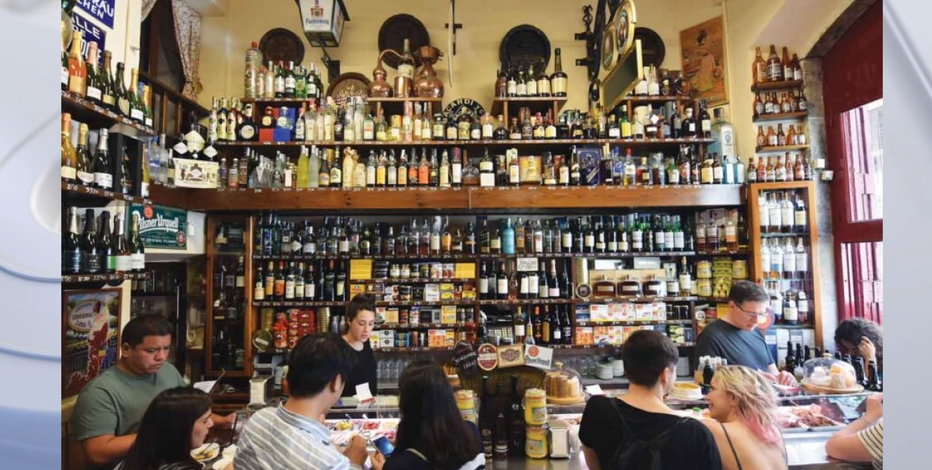
The Spanish Table in Berkeley to close, citing Trump tariffs as factor
The Spanish Table announced it will close Aug. 17.