

San Lorenzo's Ruby Ibarra wants Filipino stories heard loud and clear
Filipino-American stories: Ruby Ibarra on representation and resistance
San Lorenzo-raised, Ruby Ibarra, a rapper, entrepreneur and mother reflects on culture, activism and community through music.
SAN FRANCISCO - From Tacloban City to the Bay Area music scene, Ruby Ibarra is using music, poetry and storytelling to amplify the immigrant experience in her own voice.
Early days
Growing up around music:
Some of Ibarra’s earliest memories are filled with music, watching family members sing, play guitar and perform at local festivals in the Philippines.
When she was just 5 years old, Ibarra immigrated with her family to the United States, landing at San Francisco International Airport in 1991.
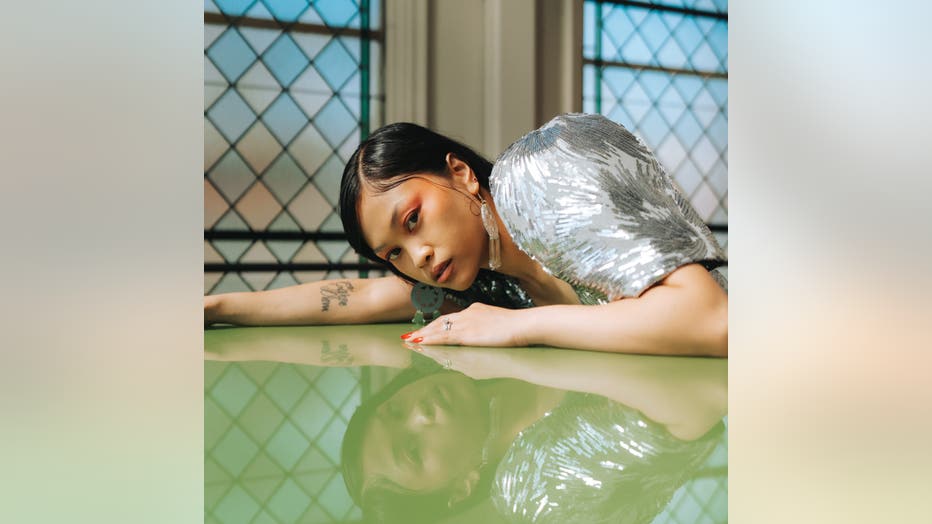
Photo by: Gino Lucas
Raised in San Lorenzo, Ibarra says her years at San Lorenzo High School became a defining chapter in her life, shaping the foundation of who she would become as an artist, activist and musician.
It was during her youth that Ibarra first discovered spoken word poetry, a form of expression that helped her understand the power of storytelling and identity.
For a young Filipina-American growing up in the East Bay, she says representation was rare, pushing her to create space for stories like her own.
"I remember spoken word was one of my introductions as a youth and from then on I really took it as a form of language and expression to be able to share my story because growing up as a young Filipina-American we don’t often see stories and feel and hear stories that are just like ours so I thought to myself if anyone’s going write my story, it needs to come from me," Ibarra said.
Reflections in music
Dig deeper:
That mission became central to her music.
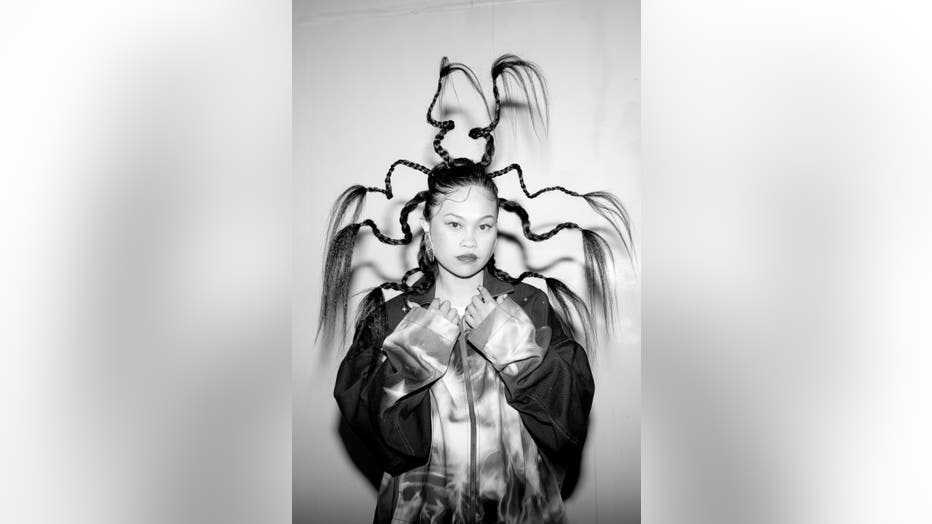
Ibarra’s 2017 debut album, Circa91, reflects on what it meant growing up as a Filipina immigrant from Tacloban in the East Bay during the 1990s. Blending hip-hop and spoken word, her work stands out for weaving together three languages, English, Tagalog and Waray, while exploring identity, family and migration.
For Ibarra, music is more than performance, it is preservation, visibility and advocacy for communities whose stories are often overlooked.
"The approach and what I hope to accomplish with my music is to show the stories that come from these communities who are often voiceless, who are often marginalized, whose stories don’t get told, and especially in moments like this where it’s more powerful than ever, to showcase the diversity, especially here in the Bay Area," Ibarra said. "There’s so many beautiful diverse cultures and communities and I think it really is on us to highlight and celebrate that all the time."
That storytelling continues in her latest single, Bakunawa, the first release from her forthcoming sophomore album and the winning song of NPR’s 2025 Tiny Desk Contest.
Performed in English, Tagalog and Bisaya, the song draws from Filipino folklore and the legend of the Bakunawa — a dragon believed to swallow the moon.
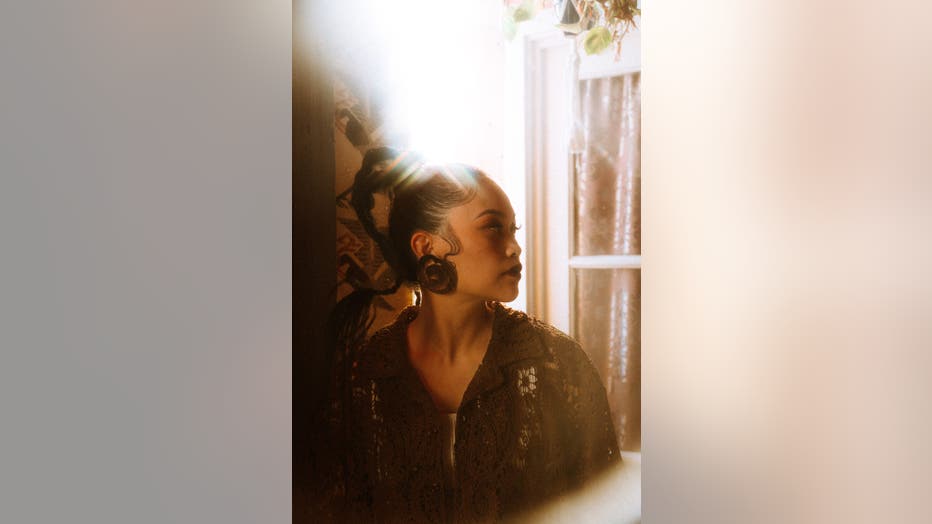
Photo by: Mikayla Swiper Delson
The song also carries deep personal meaning for Ibarra, inspired by the birth of her first child in 2024, the Year of the Dragon.
"This song interprets the story as a metaphor for resistance and a battle cry against erasure," Ibarra said. "Much of Philippine history consists of colonization, imperialism and martial law — but on the other side of that is a rich history of Filipino people who have long resisted, organized and led revolutionary uprisings. This song, for me, is a statement that my daughter is my revolution and my hope that she will be liberated from the effects of our cultural history."
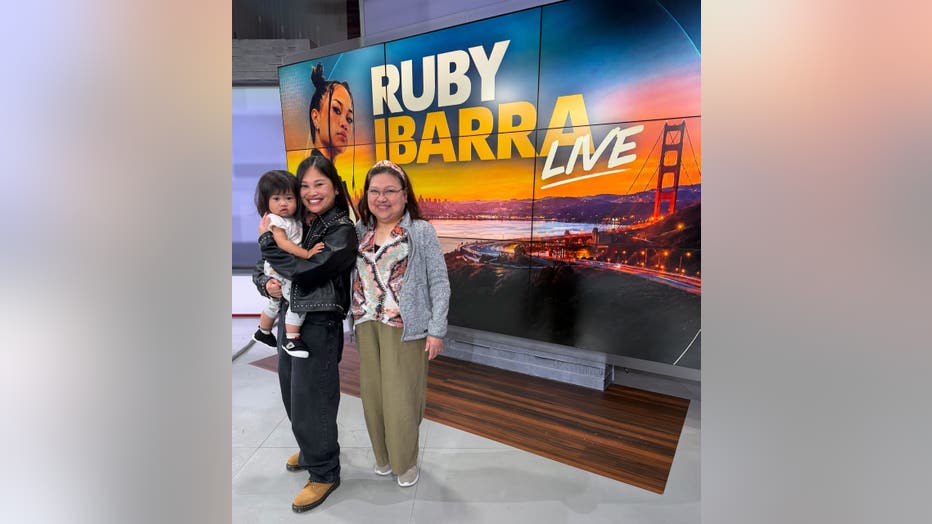
Ruby Ibarra with her daughter, Lea, and her mother, Evelyn Peters. Photo by: Estefany Méndez
From the perspective of motherhood
Big picture view:
Reflecting on her journey while her now one-and-a-half-year-old daughter watched her perform at KTVU, Ibarra says motherhood has deepened her commitment to authenticity, representation and community.
"I want for my daughter is for her to grow up knowing that it’s okay to be herself and to be proud of herself and the communities that she’s a part of," Ibarra said. "And for her, to know that I have no expectations for her. I think what we’re trying to do is set up a better future than what I have and I think part of that definitely includes knowing that she has the authority to be herself."
The other side:
Ibarra also wears many hats off the stage.
In 2021, the University of California, Davis graduate stepped away from her career as a research scientist to pursue music full-time.
Two years later, she co-founded BOLO Music Group, a Bay Area-based record label focused on supporting independent Filipino-American artists and creatives.
"With Bolo Music, what we are really doing is creating a community of artists and creatives and helping create a foundation for these independent artists so it’s easier for the next one to release," Ibarra said. "It’s building a collective and showing people that there is a community of Filipino American artists here that deserve a chance to be heard."
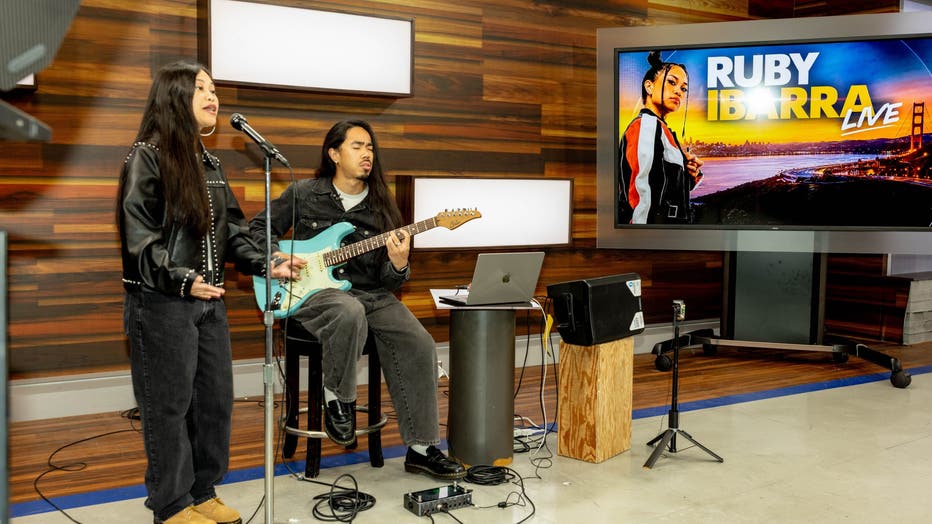
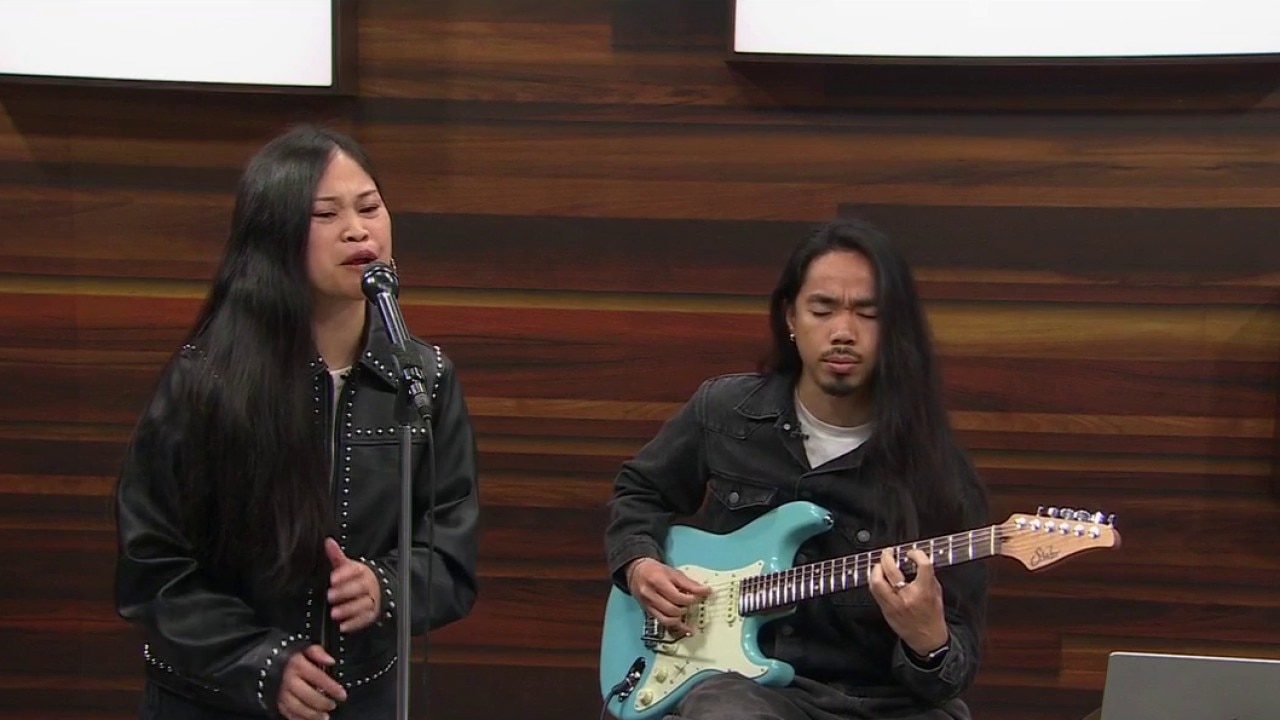
Behind the scenes during live performance at KTVU studios. Ruby Ibarra and Van Michael Barriga. Photo by: Sal Castaneda
As Asian American and Pacific Islander Heritage Month continues, Ibarra says celebrating culture, language and community remains at the heart of her work.
Fans can catch Ibarra performing May 11 at the California Civil Rights Summit and again May 31 at the Asian Art Museum.
The Source: Interview with Ruby Ibarra