

Women's History Month: Honoring Tien Fuh Wu, quiet leader who helped other abused girls
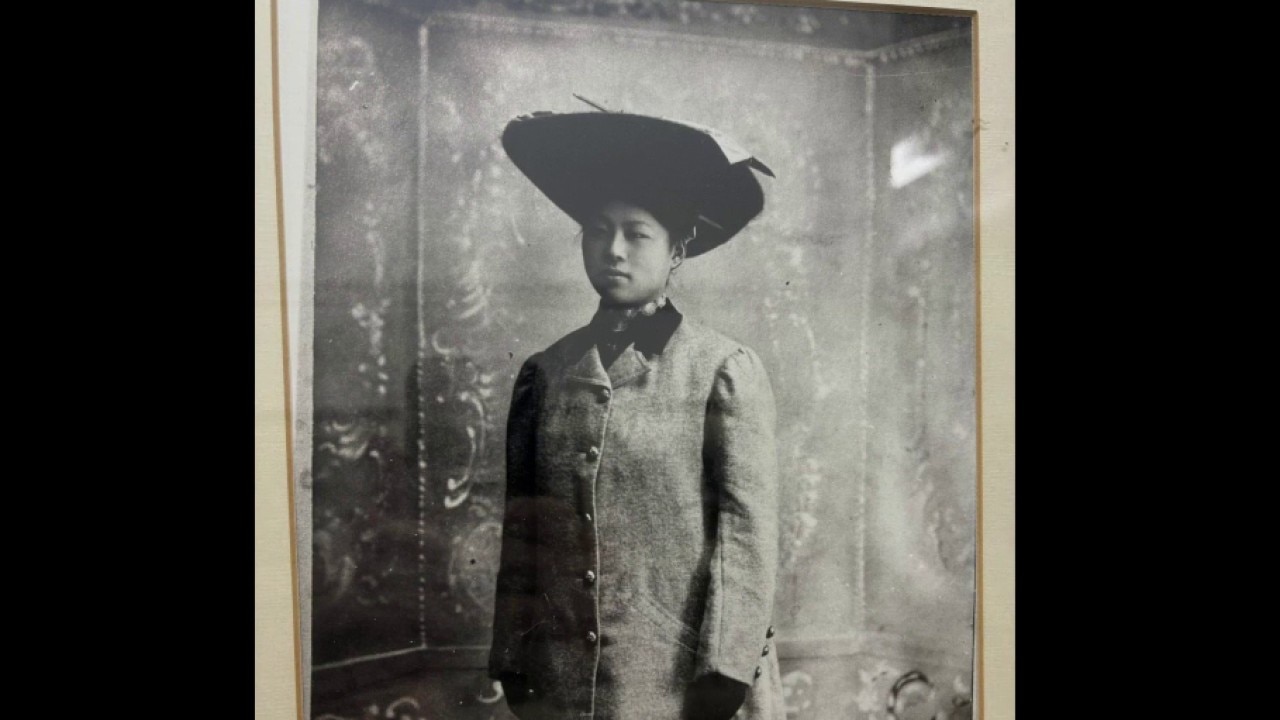
San Francisco's Tien Fuh Wu honored for helping other abused girls
Tien Fuh Wu, a girl sold by her father in China and rescued from an abusive home in San Francisco, is being honored this Women's History Month by the City of San Francisco and Cameron House, a non-profit with a 152-year history of helping women and families. A street was give her name in March, in commemoration of her work helping to rescue other girls and women from trafficking and abuse.
SAN FRANCISCO - Many people passing by the corner of Sacramento and Joice Streets might not know that spot's extraordinary place in San Francisco history.
Commemorating ‘Auntie Wu’
That is, unless they look up.
High on a post, there is a new street sign, commemorating an extraordinary woman named Tien Fuh Wu, also known as "Auntie Wu."
Wu had a long history at Cameron House, which occupies the large, red brick building that stands at that corner. It served as a refuge for abused and trafficked girls and women since 1874.
The house is credited with rescuing some 3,000 Chinese girls from slavery and abuse.
Wu was one of those girls.
Tien Fuh Wu sold by her father
Liane Ma is manager of special projects at Cameron House, and says she was intrigued when she first took a tour of the building and saw a striking photo of a woman on the wall.
"There is a photo of this Chinese Asian lady. And she is in a very prominent hat. And I was wondering, who is this majestic lady?" Ma said.
The woman in the hat was Tien Fuh Wu.
Ma says Tien Fuh Wu was about 8-years-old, when she was sold by her father and shipped from China to San Francisco.
"Her dad was in debt from gambling, and so that is the reason why she was sold into servitude," Ma said. "And it was as quick as her dad telling her hey, we're going somewhere follow me. And then she realizes she's never going to meet her dad and mother again."
"She was a young girl who was abused," Ma said. "There were a lot of marks on her, and when she was rescued. She was actually also very rebellious," Ma said.
Tien Fuh Wu and Donaldina Cameron
Wu became close to Donaldina Cameron, a well-connected woman who was head of the Occidental Presbyterian Mission House from 1899-1934, before it was renamed Cameron House.
"Tien Fuh Wu is instrumental in the being of Cameron House, and she was Donaldina Cameron's right-hand woman," Ma said.
Those were dangerous times for many young girls and women.
"The brothel owners, the families and folks who trafficked the girls would knock on our doors and say ask, hey return my property," Ma said.
In the Cameron House basement is a small portal that has been preserved, which led to a secret tunnel.
"This tunnel was actually used to be a coal furnace heater for the building. So you can just imagine the girls, 20 girls, lining up in the narrow walls here hiding from their owners, fearful of their lives," Ma said.
Ma says Wu devoted her life to helping girls in Chinatown.
"She really took advantage of being educated. She took advantage of the opportunities she could step up and go to court for these girls and be mentors to those girls," Ma said.
A hallway of photos in Cameron House taken by Arnold Genthe before the 1906 earthquake, show the hard times in Chinatown and the broader American society where many women had few options.
Life of serving and rescuing abused girls
"A big part of Donaldina Cameron and Tien Fuh Wu's job was to wed the girls off to good men," Ma said. "They actually were great and famous matchmakers locally and matched more than 600 couples."
Dedicating a city street
Ma says after reading books such as White Devil's Daughters which refers to Donaldina Cameron and other women's efforts to stop trafficking, Ma wanted Wu's legacy to be remembered.
On March 6, the city dedicated Joice Street, with a new sign commemorating it as Tien Fuh Wu Way.
Wu's quiet leadership
Wu's life now has become a legacy that holds lessons for women today.
"There are many touching moments of Tien Fuh Wu just serving quietly, but strongly and boldly," Ma said. "I was really moved because, especially as Asian women, we are called to be more dominant, more forceful, maybe more loud when we lead. But reading Tien Fuh Wu's story, I realized it, no, doesn't have to be like that. It can look bold yet soft. It can look like quiet servitude and servant leadership. And she did that her whole life."
Cameron House plans to hold a Tien Fuh Wu Day of Service at the end of May.
Featured

Bay Area Women's History: The pioneering poet Ina Coolbrith
On a steep slope halfway up San Francisco's Russian Hill, neighborhood dog walkers and occasional tourists take in the spectacular views from a city park that bears the name of Ina Coolbrith, a once-famous San Francisco woman who many people don't know.