

Bay Area's 1st red flag warning since 2024 goes into effect as temperatures reach triple digits
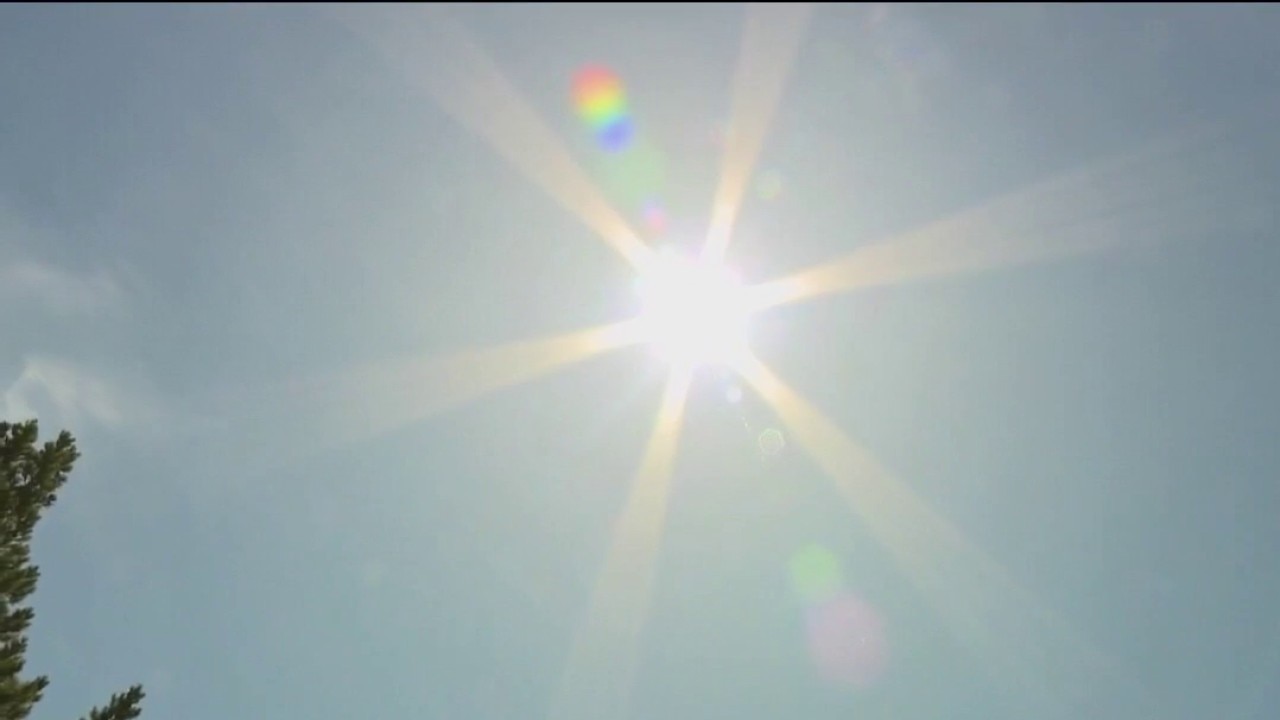
Dangerous fire conditions in the Bay Area
The Bay Area is facing potentially dangerous conditions with rising temperatures, high winds and ultra-low humidity. Parts of the Bay Area could see power shutoffs. The heat wave is expected to last through the end of the week.
OAKLAND, Calif. - The Bay Area is facing potentially dangerous conditions with rising temperatures, high winds and ultra-low humidity. Parts of the Bay Area could see power shutoffs. The heat wave is expected to last through the end of the week.
A red flag warning, the Bay Area's first since late 2024, will be in effect from 11 p.m. Wednesday until 9 a.m. on Thursday. Officials note that the peak danger period will occur between 1 a.m. and 8 a.m.
The average temperature that San Francisco sees this time of year is around 69 degrees, but temperatures could soar to between 12 and 20 degrees above average, according to the National Weather Service.
With triple digit temperatures expected, KTVU meteorologist Bryan Gallo urged caution.
"We're not used to or conditioned to temperatures like this," he said. "And a lot of local homes don't have the infrastructure with air conditioning. So, depending on where you are, and what resources you do or don't have, there might be, you know, elevated risk for you."
Rising heat concerns
What they're saying:
Hotter areas like Antioch or Brentwood are more conditioned for temperatures reaching the 100s, according to Gallo.
"They deal with these temperatures often," he said. "So it's just early summer."
This heat wave is expected to last for 48 hours. Temperatures will be high on Thursday, but they will fall come Friday.
Real fire danger
Meanwhile, Oakland Fire Department Battalion Chief James Bowron said Wednesday at a news conference that the weather conditions are a recipe for wildfires because of the elevated winds and low humidity.
"It’s important to really just remind people that the potential is always there for small fires to get big, and we always have to make sure we're doing and taking the proper precautions," said Bowron.
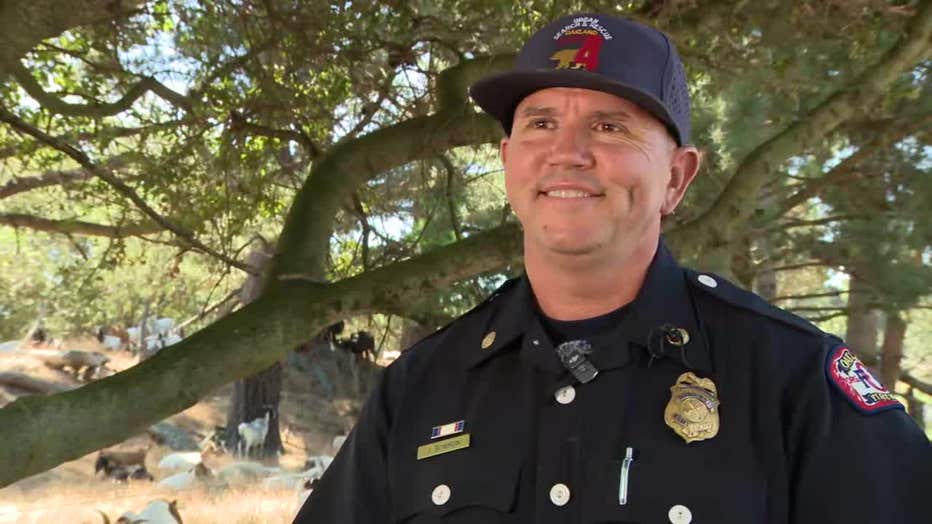
Oakland Battalion Chief James Bowron. June 10, 2026
He took the opportunity to remind neighborhoods to be proactive in reducing the risk of wildfires, including vegetation management inspections and maintaining fire trails to clear pathways to gain better access with fire vehicles.
"We’re always constantly trying to remind citizens of that potential, not to instill fear but more to provide education and knowledge," he said. "And to give them the tools to be able to realize that if and when that happens… they know what to do and how to be ready for something like that."
Also, the city has employed around 5,000 goats to aid in clearing the dead grass and brush across the Bay.

Goats munch on dry grass in Oakland as fire season kicks off. June 10, 2026
In the North Bay, CAL FIRE's Sonoma Air Attack base is preparing for an exceptionally busy week.
Aircraft have become an increasingly essential tool for fire crews, helping to slow down blazes before they grow out of control.
"It does very well when it comes to fire growth," said CAL FIRE Battalion Chief Jason Freyer. "We get out ahead of it. We use the aircraft on the head and on the shoulders of the fire."
The critical nature of the base was evident late Wednesday afternoon when three aircraft were dispatched from Sonoma to a fire in Martinez, a flight path of just 11 minutes. Although a helicopter already on the scene managed to bring the situation under control, causing the fixed-wing aircraft to be recalled, crews remain on standby to deploy anywhere in the Bay Area or beyond.
However, aerial firefighting faces strict limitations. Severe winds can ground aircraft and significantly reduce the effectiveness of dropped water and retardant.
"And then the ground resources really get in and dig out the fire lines," Chief Freyer said. "So, it stops the fire in its tracks and then the arduous task of controlling the fire [begins]."
Potential power shutoffs
As weather conditions deteriorate, Pacific Gas & Electric announced that planned public safety power shutoffs may be implemented to prevent equipment from sparking blazes.
"Right now we've sent notifications to about 5,000 customers in nine counties, including Lake, Sonoma, Solano, and Napa County, small portions of those counties, letting them know that a public safety power shut off might be in play for the area," said PG&E spokesperson Megan McFarland.
McFarland stated that the utility company has improved its execution of these forced outages, managing to reduce both the number of affected customers and the time required to patrol lines and restore power. The company has also updated its customer communication strategies.
Fire officials warn that the public should remain vigilant even if they live outside the official warning boundaries, as fire effects can spread rapidly over large territories.
"Just because [you] aren’t within the red flag warning doesn't mean there isn't a higher level of risk of threat," said Santa Rosa Fire Marshal Paul Lowenthal.
The most dangerous conditions are expected to occur overnight, and officials warn the red flag warning could be extended if the weather intensifies.
Hot temperature hacks
What you can do:
So how do the communities keep it cool?
Gallo recommended "common-sense strategies," like not walking your dog in the middle of the day, ensuring that you and family members are hydrated, and don't hang outside for too long. He also said to utilize cooling centers like malls and movie theaters if people can't access cool air in their homes.
Bowron also stressed to the public to heed the warnings, and maybe take the day off from yard work and hedge trimming.
The Source: Interview with KTVU meteorologist Bryan Gallo, City of Oakland website, and Oakland Fire Department Battalion Chief James Bowron news conference, PG&E, CAL FIRE, Santa Rosa Fire Marshal.