

San Francisco leaders propose law to require SFPD to ID plainclothes ICE officers
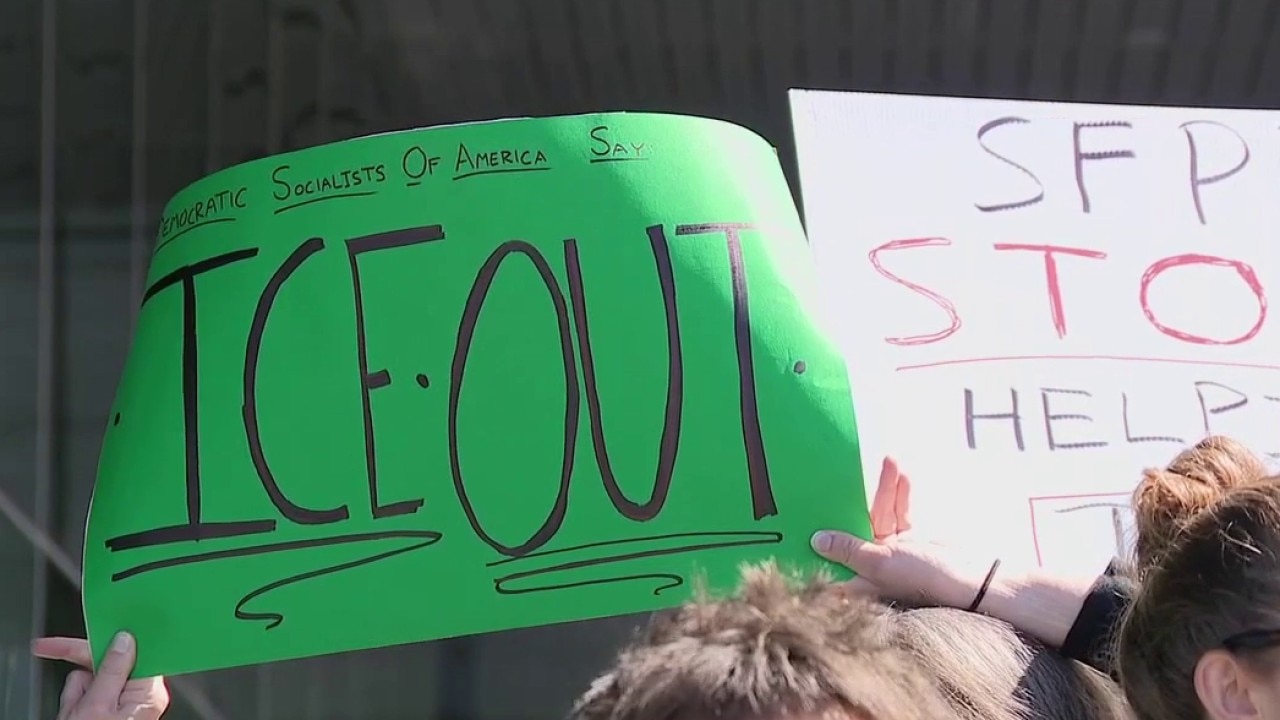
Community groups demand answers from SFPD, seen in viral ICE video at SFO
Community organizers with the Free SF Coalition held a protest Wednesday alleging San Francisco police illegally assisted ICE agents during an arrest at SFO.
SAN FRANCISCO - Two San Francisco supervisors are proposing a new policy that would require police to verify the identity of federal agents they encounter during the course of their work day.
The proposed ordinance, authored by Bilal Mahmood and Chyanne Chen, would direct SFPD officers to confirm the credentials of any federal agents who are not readily identifiable, and document that verification process using body-worn cameras.
"At a time when federal enforcement activity is creating fear and uncertainty in communities across the country, we have a responsibility to ensure transparency and accountability here at home," Mahmood said in a press release. "Requesting verification is a basic safeguard — if someone is claiming federal authority in our communities, that must be confirmed and documented."
The policy is being developed and will be introduced to the Board of Supervisors in the coming weeks.
How would the policy be applied in San Francisco?
Practical Applications:
Federal law supersedes state laws, which means local law enforcement cannot compel federal agents to identify themselves. However, Supervisor Mahmood said he hopes the policy will help build public trust that the city’s police will work to prevent people posing as ICE officers and causing harm to others, as has been previously documented.
Mahmood said the policy is meant to codify into law an SFPD policy that directs officers to identify anyone claiming to be a federal agent.
"We're taking a directive and turning it into law for the first time, so the public knows (SFPD) will keep following this procedure," Mahmood said. "It's also meant to be a model for the rest of the nation. There are other counties that have done what SFPD has done, which is to create a directive, but there's no law."
Mahmood said that similar to the legislation he and Chen authored to create ICE-free zones, he hopes this law will provide a model for other counties to replicate.
Recent ICE detainment at SFO
Local perspective:
City and state law prohibit local law enforcement from assisting federal agents, but also bars officers from obstructing operations. A recent incident at San Francisco International Airport prompted criticism that the department violated that law.
Two plainclothes ICE agents on Sunday detained a Guatemalan woman and her daughter at SFO. Video of the incident, which has gone viral, shows over a dozen SFPD officers lined up to form a barrier around the agents and prevent onlookers from approaching the scene. Critics say that forming a barrier amounts to providing assistance to federal agents.
Angela Chan, assistant chief attorney for the San Francisco Public Defender's Office, said she reviewed footage of the arrest and believes local law enforcement overstepped legal boundaries. Her office has initiated a formal complaint to the Department of Police Accountability.
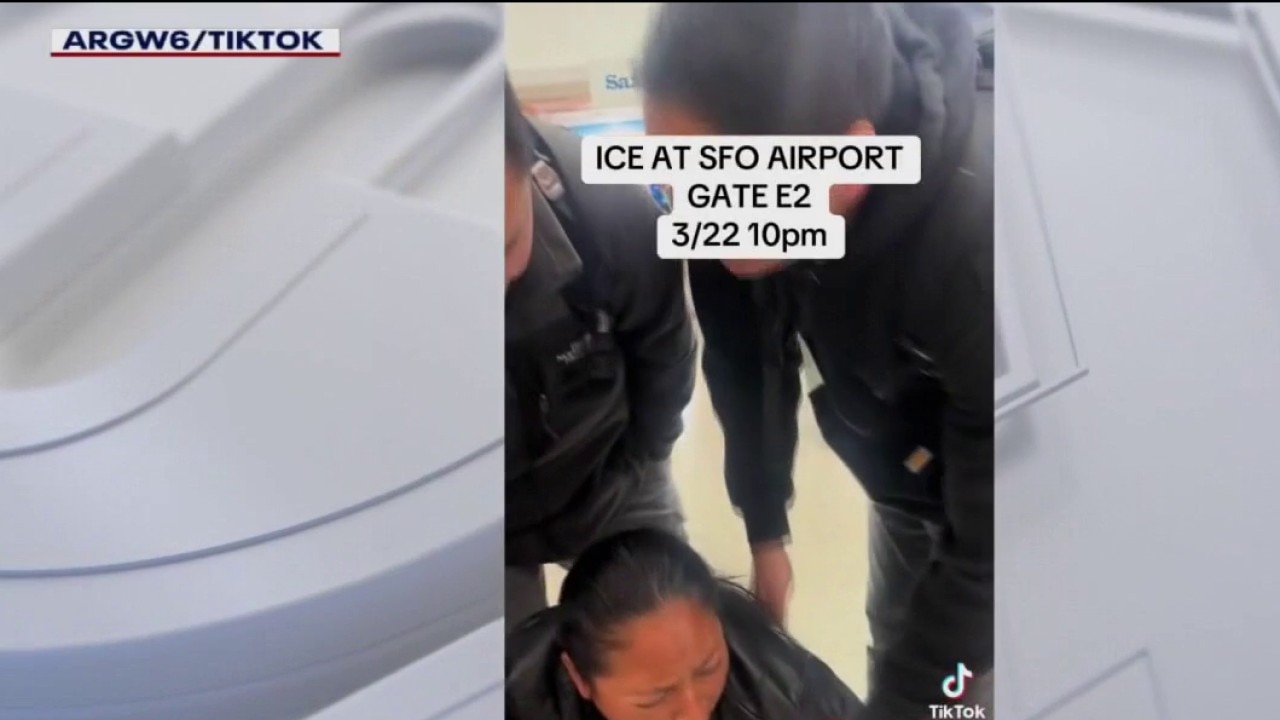
DHS: Woman escorted through SFO by ICE tried to flee
The Department of Homeland Security said a woman seen in a video being detained by ICE at SFO and escorted away had tried to flee.
Dig deeper:
A lack of identification has become a hallmark of ICE and other federal agents operating in American cities. Agents have been captured on numerous occasions conducting operations in plainclothes, and wearing masks and hats that hide their identities.
A federal judge in February blocked a California law that would ban federal immigration agents from covering their faces but did uphold a law that would require them to wear clear identification showing their agency and badge number.
Trump raises idea of sending feds to SF
Big picture view:
Mahmood and Chen’s ordinance was announced the same day President Trump again raised the idea of deploying federal agents to San Francisco and other Democratic-led cities.
Trump, speaking during a cabinet meeting at the White House, said federal agents could help curb crime and make San Francisco "become a great city again." He suggested the progress under Mayor Daniel Lurie has been too slow.
"I had friends calling me up from San Francisco," he said. "Could you give him a chance? I said, absolutely, if you want, I will give (Lurie) a chance. And he’s, he’s trying. He’s doing okay. But we could do much better. We could make it a lot safer than it is. San Francisco. What a great city was. A great city. Could quickly become a great city again. But, you know, they’re going very slowly."
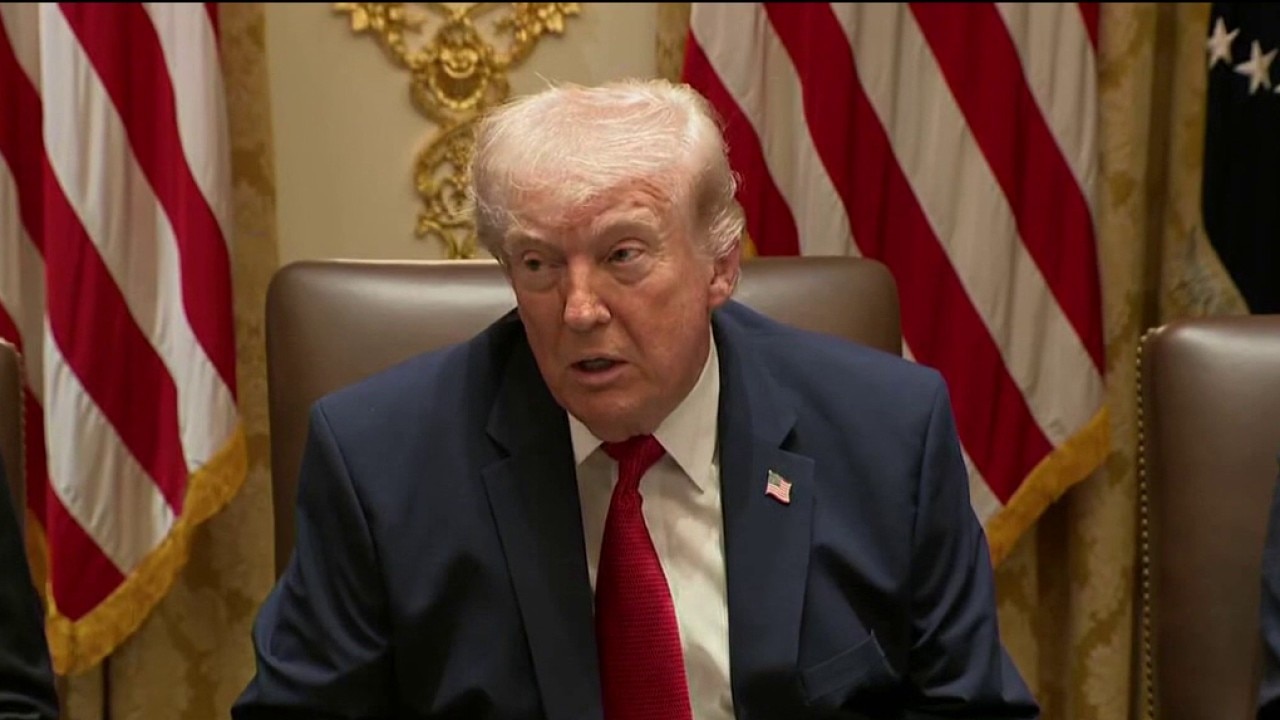
Trump suggests sending federal agents to San Francisco
President Donald Trump is once again threatening to send federal agents into San Francisco, and other cities, to reduce what he calls an uptick in crime, despite the efforts of Mayor Daniel Lurie.
The backstory:
Trump first proposed dispatching federal troops to the city last fall, shortly after Salesforce CEO Marc Benioff said he would welcome the National Guard in the city.
Benioff, speaking to the New York Times, was critical of having to pay for hundreds of off-duty police officers to patrol the area in and around Moscone Center during the annual Dreamforce conference.
Trump elected not to follow through with his proposal last fall after Lurie asked him not to send troops, and pointed out the falling crime rates in the city.
On Thursday, Lurie again pointed to improvements in public safety as a reason the National Guard, which is not trained in domestic policing, is not needed in the city.
"In San Francisco, crime is down 30%, encampments are at record lows, and our city is on the rise," Lurie said in a statement. "Public safety is my number one priority, and we are going to stay laser-focused on keeping our streets safe and clean."
San Francisco has reported a sharp decline in major crimes in recent years. This week, two deadly shootings brought the city’s total homicides for 2026 to 12, compared to four during the same period last year. City data shows that homicides in 2025 represented a 70-year low.